











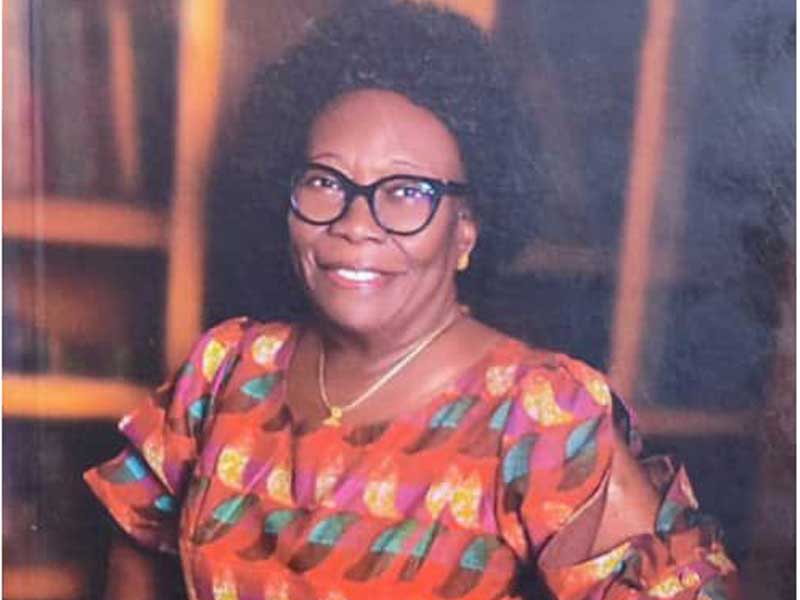
Key Takeaways:
- Lucy Irene Vajime’s A Box of Chocolates memoir offers a quiet, observant account of childhood in Tamale and adult life in Nigeria.
- The book emphasises family, religious coexistence and everyday rituals rather than spectacle.
- Vajime’s restrained prose invites readers to reflect on memory, migration and moral formation.

A Box of Chocolates memoir celebrates memory, family and faith
Lucy Irene Vajime’s A Box of Chocolates memoir presents a small, carefully observed life that speaks to larger questions about family, belief and belonging. Written after retirement and loss, the book gathers ordinary moments — school walks, shared meals, cross‑border journeys — and shows how they quietly shape a person over time.
A Box of Chocolates memoir examines memory and moral formation
The memoir opens in Tamale and moves through adulthood in Nigeria, tracing how childhood habits, religious practice and the example of elders leave lasting marks. Vajime does not dramatise events; she lets significance arise from detail. A dress sewn by an older sister, celebrations at Sallah and Christmas, and the discipline of teachers appear in the narrative as formative elements rather than mere background.
At the heart of the book is a portrait of ordinary pluralism. Christianity and Islam coexist in the author’s upbringing not as antagonists but as shared moral frameworks that encourage generosity and care. In a time when public conversation often highlights division, the memoir offers a reminder that plural religious practice has long been lived calmly within many homes.
Mr Orji, writing from Abuja, notes that each chapter functions like an unwrapped piece of memory: distinct, contained and connected to the next. The effect is cumulative. Readers sense the long arc of a life shaped by migration, education and work without the book ever asking for sympathy or seeking spectacle. Instead it asks a quiet question: what shapes us before we know it?
Vajime’s prose is direct and restrained. That restraint gives the memoir its authority. It resists the temptation to convert memory into melodrama, preferring observation that invites the reader to slow down. The result is a reflective book that suits readers who want to be grounded in family and history rather than dazzled by fame.
The book will appeal to those interested in West African life and to readers who value literature that attends to the everyday. Its scenes of domestic ritual, ritualised generosity and neighbourly ties will ring true for many, even if they have not shared the same geography. These moments become points of recognition rather than mere ethnographic detail.
For readers and bookshops, A Box of Chocolates also serves as a modest intervention: it prioritises memory, attentiveness and continuity in an era dominated by speed and novelty. Whether read as a personal testimony or as a small social document, the memoir offers ways of thinking about how people are made by others and by ordinary acts of care.
To enquire about copies or to purchase the book, contact lucyvajime@gmail.com or visit RovingHeights.com.ng. The memoir stands as an invitation to remember the roads we walked, the people who fed us and the voices that shaped our inner lives.








