











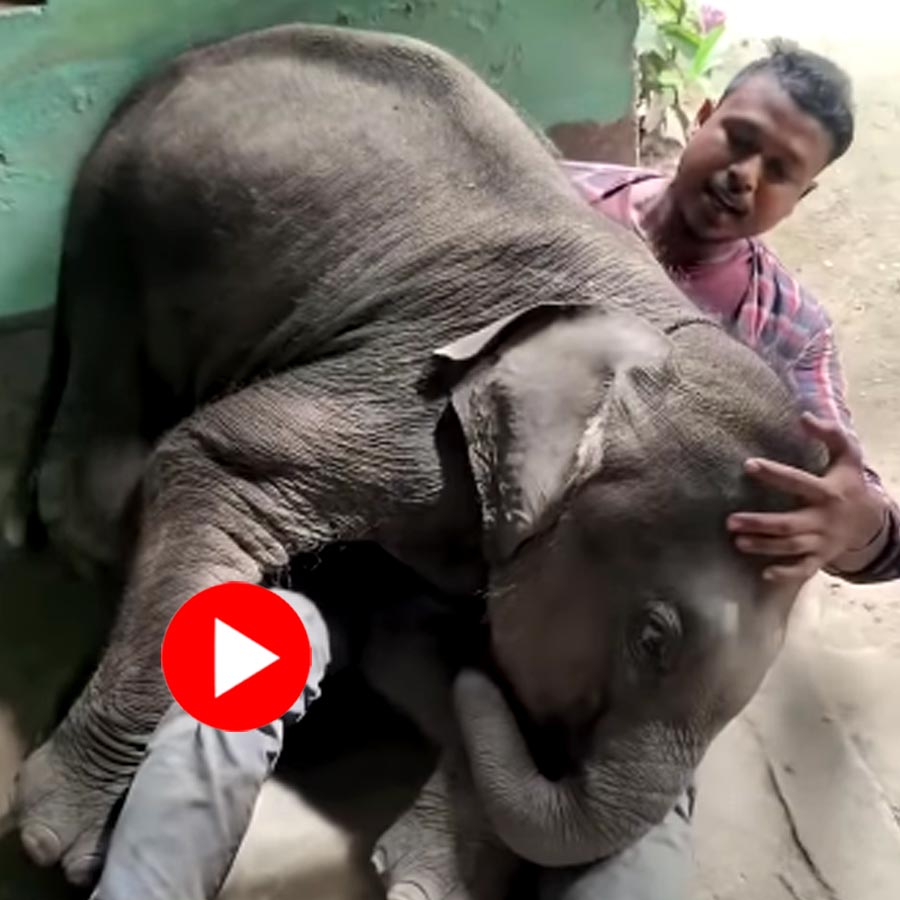
A short video filmed in West Bengal has captured a tender moment between a young elephant and its caregiver, quickly making the rounds on social media. The footage shows the calf lifting a foreleg and attempting to clamber into the lap of a young mahout. After several attempts, the elephant settles against the caretaker and appears to rest, creating a scene many viewers have described as both playful and heart-warming.
The clip, shared by a local news outlet on 3 January 2026, has been widely viewed and shared across platforms. Viewers praised the bond between the animal and its handler while also noting the patience and composure shown by the caregiver as the heavy but affectionate calf leaned against him.
Why this baby elephant viral video has captured hearts
The baby elephant viral video resonates for several reasons. Firstly, it offers a rare glimpse of juvenile elephant behaviour in a controlled setting, where calves can display curiosity and clinginess similar to domestic young mammals. Secondly, the interaction underscores the role of trained caregivers in the daily welfare of captive elephants, illustrating a relationship built on routine feeding, handling and mutual familiarity.

Local handlers, often called mahouts, spend long hours tending to elephants, building trust through repeated, calm interactions. In the footage, the mahout remains composed even as the calf’s weight becomes a tangible burden. The gentleness of the exchange has drawn comments praising the humane treatment displayed.
Animal welfare experts note that affectionate gestures from young elephants can indicate healthy social development, provided interactions are supervised and safety protocols are followed. They caution that while such footage can promote empathy for elephants, it should not encourage untrained members of the public to attempt similar contact. Close interaction with large juveniles can be unpredictable, and properly trained handlers are needed to ensure both human and animal safety.
The viral clip has also sparked discussion about conservation and captive care. Some commentators used the moment to remind audiences of the broader challenges elephants face, including habitat loss and human-wildlife conflict. Others saw the footage as an opportunity to highlight responsible tourism and the importance of accredited sanctuaries and rehabilitation centres where elephant welfare is prioritised.
For many viewers, the appeal is simply emotional: the sight of a young elephant seeking comfort reflects behaviour that crosses species lines. The video’s popularity demonstrates how digital media can amplify small, humane moments and encourage public interest in animal welfare. Editors at the outlet that posted the clip emphasised the need for viewers to enjoy such content responsibly and to support accredited conservation efforts rather than unsupervised encounters.
As the baby calf settles again against its caregiver at the end of the clip, the footage leaves a clear impression: careful stewardship and long-term relationships between elephants and their handlers can produce moments of genuine tenderness. At the same time, experts stress that admiration should be matched with caution and informed support for the institutions that care for these animals.
Image credit: still from the viral video.
Key Takeaways:
- The baby elephant viral video shows a young calf attempting to climb into its caregiver’s lap in West Bengal, India.
- The calf eventually settles on the caregiver, producing an affectionate scene that has gone viral on social media.
- The clip highlights close bonds in captive elephant care while prompting reminders about safety and proper handling.








