











Key Takeaways:
- Maharashtra municipal elections 2026 prompt political upheaval as candidate filing deadline arrives.
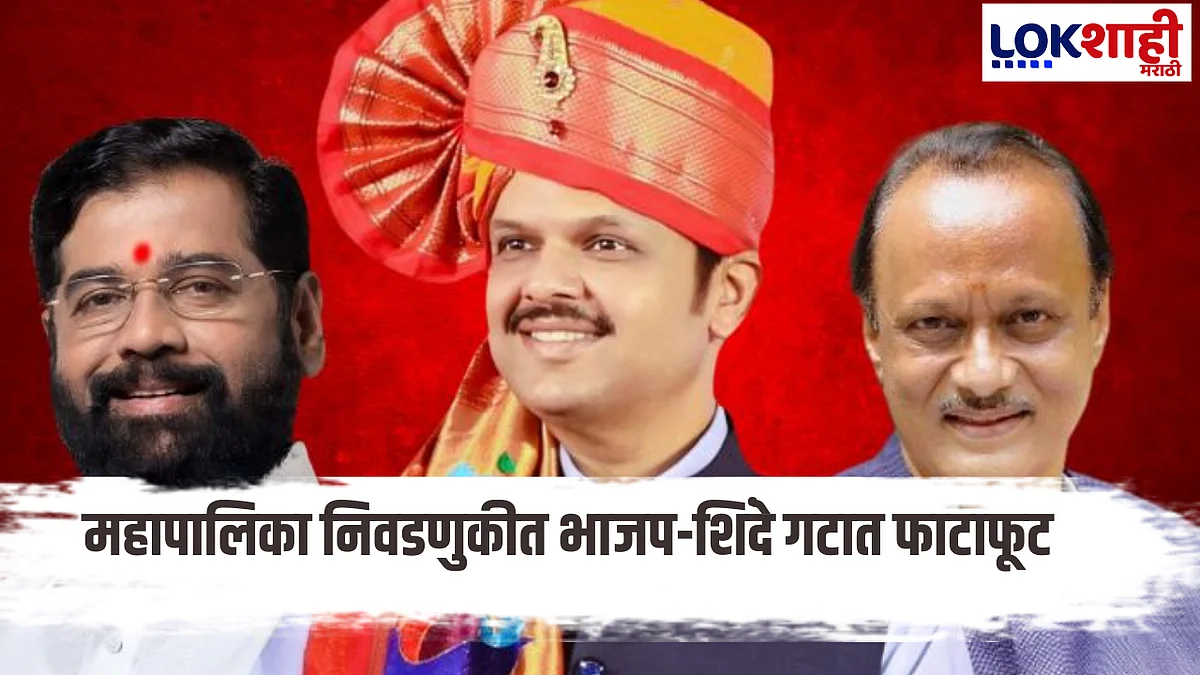
- Alliances between BJP and the Shinde faction have broken in 14 municipal corporations, raising prospects of multi‑cornered fights.
- Long-serving workers are disgruntled after ticket denials while recent entrants received opportunities, fuelling internal dissent.
- Voting on 15 January with results due 16 January will test party strength in key cities including Mumbai, Pune and Nashik.

Alliance splits set stage for Maharashtra municipal elections 2026
As the final day to file nominations drew to a close, the run‑up to the Maharashtra municipal elections has intensified, with major parties scrambling to finalise candidates and manage fallout from seat allocations. The dispute over seat sharing between the Bharatiya Janata Party (BJP) and the Shinde faction of Shiv Sena has emerged as the principal story, producing ruptures in coalition arrangements across the state.
Maharashtra municipal elections 2026 reshape local contest dynamics
At least 14 municipal corporations will see the BJP and the Shinde group contesting independently after talks over allocations broke down. Cities where the two sides will face off separately include Pune, Pimpri‑Chinchwad, Nashik, Nanded, Amravati, Malegaon, Akola, Mira‑Bhayandar, Navi Mumbai, Dhule, Ulhasnagar, Sangli, Chhatrapati Sambhajinagar and Jalna. Political observers expect many of these contests to become multi‑cornered as regional parties and local outfits seek to exploit the split.
In contrast, the BJP and the Shinde camp have maintained their alliance in Mumbai and Thane, deciding to contest together in the state capital and its neighbouring city. Notably, the Ajit Pawar‑led faction of the Nationalist Congress Party has not been included in the alliance in Mumbai and Thane, adding another variable to the electoral arithmetic in these high‑profile corporations.
Local party workers and veteran office‑bearers have voiced discontent after ticket distribution. The nomination process has left many long‑serving cadres sidelined, while recent entrants to parties have been given tickets in several municipalities. That imbalance has fuelled frustration within party ranks and prompted a flurry of last‑minute negotiations and appeals.
Party strategists say local factors and constituency‑level calculations drove the seat allocations, but the visible anger among activists threatens to complicate campaigning. In some places, the BJP has reacted strongly when it did not receive the share of seats it anticipated, while the Shinde group has refused to accept certain seat offers, prompting both sides to opt for separate slates in selected corporations.
The electoral timetable is short: polling for all municipal corporations in the state is slated for 15 January, with counting and the declaration of results scheduled for 16 January. Several municipalities — including Mumbai, Thane, Pune, Pimpri‑Chinchwad, Navi Mumbai and Chhatrapati Sambhajinagar — are being watched as prestige contests. Political analysts say the outcome in these urban centres will be read for signals about party strength and voter sentiment ahead of future state and national battles.
Campaigns over the coming days are likely to focus on local issues such as civic services, urban infrastructure and governance, but the alliance ruptures have injected a sharper political edge. Where alliances have held, campaigns are expected to present a united front; where they have broken, parties will attempt to split the opposition vote and cultivate local coalitions.
With nominations finalised, attention now turns to voter outreach and candidate selection’s impact on grassroots mobilisation. The 15–16 January window will test whether party calculations hold up under voter scrutiny or whether the recent internal dissent translates into unexpected results at the municipal level.








