











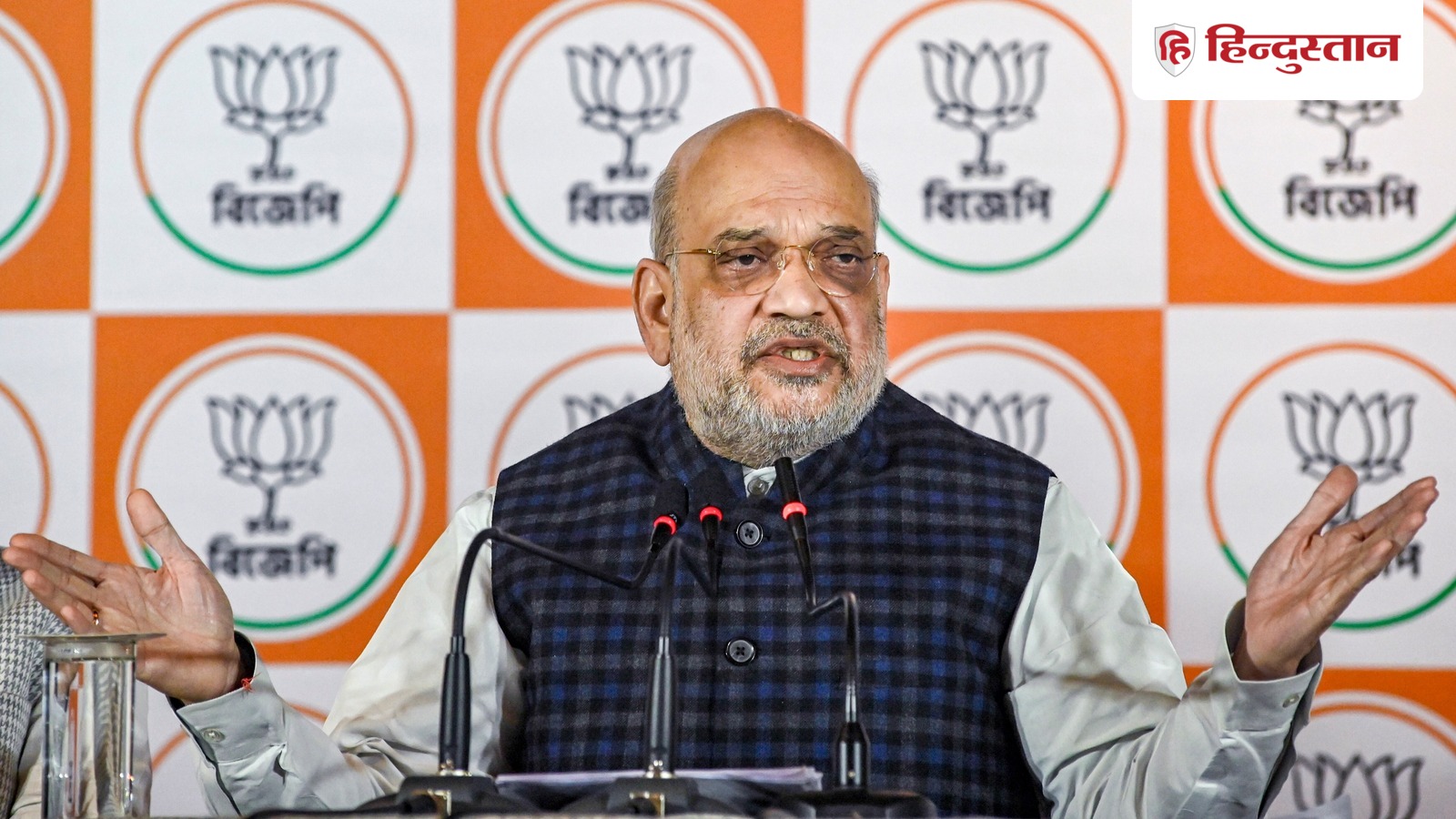
The Bharatiya Janata Party has placed the West Bengal assembly contest at the centre of its 2026 electoral calendar, with Home Minister Amit Shah taking direct command of the campaign. Party sources say Shah has personally overseen ground operations and set a high tempo as the BJP seeks to convert its previous 77-seat haul into a full majority.
Bengal election BJP strategy and campaign posture
Senior leaders including party general secretary B.L. Santosh will tour the state and Prime Minister Narendra Modi is expected to make another visit this month as the party mobilises its top tier for sustained campaigning. According to BJP officials, the party’s leadership has designed a multi-pronged plan combining mass rallies, targeted outreach to women voters and intensified booth-level organisation.
Shah has framed the contest as one of change after 15 years of Trinamool Congress rule under Mamata Banerjee. He told supporters during recent visits that the party which grew from three seats to 77 in the last assembly election is now preparing for a full majority. Party workers say Shah’s directive has set the tone for an assertive campaign across the state.

The BJP has sharpened its messaging around illegal immigration, accusing the state government of altering local demographics for electoral advantage. Shah has promised that a BJP administration would construct a stronger national security grid aimed at halting cross-border infiltration from Bangladesh, should the party come to power in Kolkata.
For its part, the Trinamool Congress is campaigning on Mamata Banerjee’s record and her perceived connect with women and grassroots voters. TMC MP Abhishek Banerjee has predicted that the party will win at least one seat more than in 2021, when TMC secured 216 of the 294-seat assembly and the BJP won 77 seats.
Political analysts say the contest will hinge on turnout and local-level organisation. The BJP’s emphasis on law-and-order and national security themes aims to consolidate sections of voters concerned about migration and governance. At the same time, Mamata Banerjee’s personal appeal and welfare schemes remain potent assets for the incumbent.
Internal fissures in the Trinamool have become part of the narrative. The formation of a new party by Humayun Kabir and high-profile meetings between Congress leaders and national figures have added to the sense of fluidity in West Bengal’s political alignments. BJP strategists believe such developments could create openings in marginal constituencies.
Party workers on the ground describe an intense schedule of outreach, from door-to-door contact to large public rallies, all under Shah’s supervision. Officials say the BJP is leaving no stone unturned, combining national leaders’ visits with local mobilisation to convert organisational strength into votes.
As campaigning intensifies, both sides are preparing for high-stakes battles in constituencies across West Bengal. The outcome will reflect not only campaign machinery and messaging but also how voters respond to arguments about governance, identity and development in the run-up to the polls.
Key Takeaways:
- Amit Shah has taken direct charge as the BJP pursues a decisive Bengal election BJP strategy to win a full majority in West Bengal.
- Prime Minister Narendra Modi and party leaders including B.L. Santosh are slated to campaign intensively across the state.
- The BJP is elevating illegal immigration and a proposed ‘national security grid’ as key campaign themes.
- TMC cites incumbency strength and local popularity; internal splits in TMC and cross-party contacts add uncertainty.








