











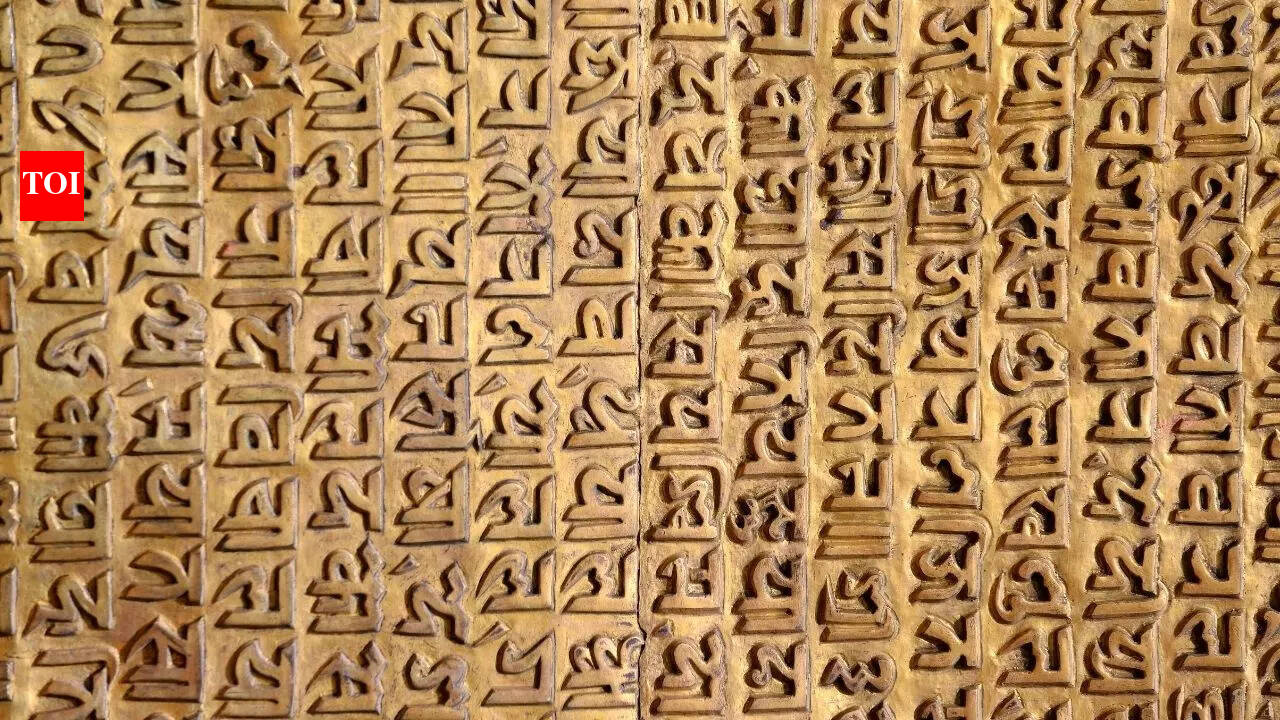
Thousands of years after their first inscriptions, several languages associated with BRICS+ nations continue to shape identity, religion and scholarship. From the liturgical halls of Cairo to classrooms in New Delhi and the streets of Beijing, these tongues connect modern communities with long-standing literary and cultural traditions.
Why ancient languages still in use matter today
The survival of ancient languages is not merely a matter of historical curiosity; it influences education, religious life and national culture. Sanskrit and Tamil in India preserve millennia of sacred and literary texts that scholars and practitioners consult for ritual, law and philosophy. In Iran, Persian remains a vibrant medium for poetry and public discourse. In Egypt, Coptic maintains a distinctive role within the Coptic Orthodox Church, safeguarding ritual practices and liturgical continuity.
Chinese languages, particularly Mandarin, demonstrate a different trajectory. With a written record stretching back over three millennia — from oracle bone inscriptions to classical texts — Chinese has adapted continuously and is today one of the world’s most spoken languages. Modern usage and state support have allowed it to evolve without losing ties to its ancient written heritage.

Hebrew provides a notable example of successful linguistic revival. Once confined largely to prayer and scholarship, Modern Hebrew was revitalised in the late 19th and early 20th centuries and now functions as the national language of Israel. This transition from liturgical to everyday use offers a model for how institutional backing and a broad speaker community can restore an older language’s prominence.
Other ancient tongues survive primarily in specialised settings. Latin, though no longer spoken natively, continues to underpin legal terminology, scientific nomenclature and certain ecclesiastical rituals. Aramaic and Coptic appear in religious rites and small community contexts, linking present-day worshippers with ancient Near Eastern and Egyptian languages. Aramaic’s dispersion across small communities in the Middle East keeps fragments of Near Eastern history audible today.
Language survival often depends on education, religious practice and cultural promotion. Tamil’s continuity as both a classical and living language — its literature spans more than two millennia — shows how strong literary traditions and active use in public life sustain a language. In the modern Korean peninsula, with Hangul instituted in the fifteenth century, Korean exemplifies how a distinct writing system and national identity can maintain a language across centuries.
Cultural institutions, universities and religious centres play a crucial role in maintaining these languages. They publish texts, teach grammar and train clergy and scholars who keep traditions alive. Digital resources and renewed interest among younger generations also help: online archives, language courses and media content increase accessibility and encourage use beyond ceremonial contexts.
While some ancient languages are confined to ritual or academic contexts, others continue to thrive as living, spoken languages. Whether used in worship, verse, administration or everyday conversation, these languages carry knowledge of legal systems, scientific thought and spiritual practice across generations. Their continued use across BRICS+ nations underscores how linguistic heritage remains integral to national identity and cultural continuity.
Key Takeaways:
- Many modern nations preserve ancient tongues: Sanskrit, Tamil, Mandarin, Coptic and Persian continue cultural and religious traditions.
- These ancient languages still in use serve as living links to literature, religion and historical knowledge across BRICS+ nations.
- Some survive as liturgical or academic languages while others, like Mandarin and Modern Hebrew, remain widely spoken.
- Revival, education and institutional support are key to keeping these languages relevant in contemporary society.








