











Key Takeaways:
- Arun Manjhi victory unseats RJD in Masaurhi with a margin of 7,643 votes.
- Manjhi received 106,505 votes while incumbent Rekha Devi fell to 98,862.
- JDU rewards the win by naming Manjhi whip with state minister status under Nitish Kumar.
- The result signals a strategic JDU comeback in the Patliputra belt amid high turnout.

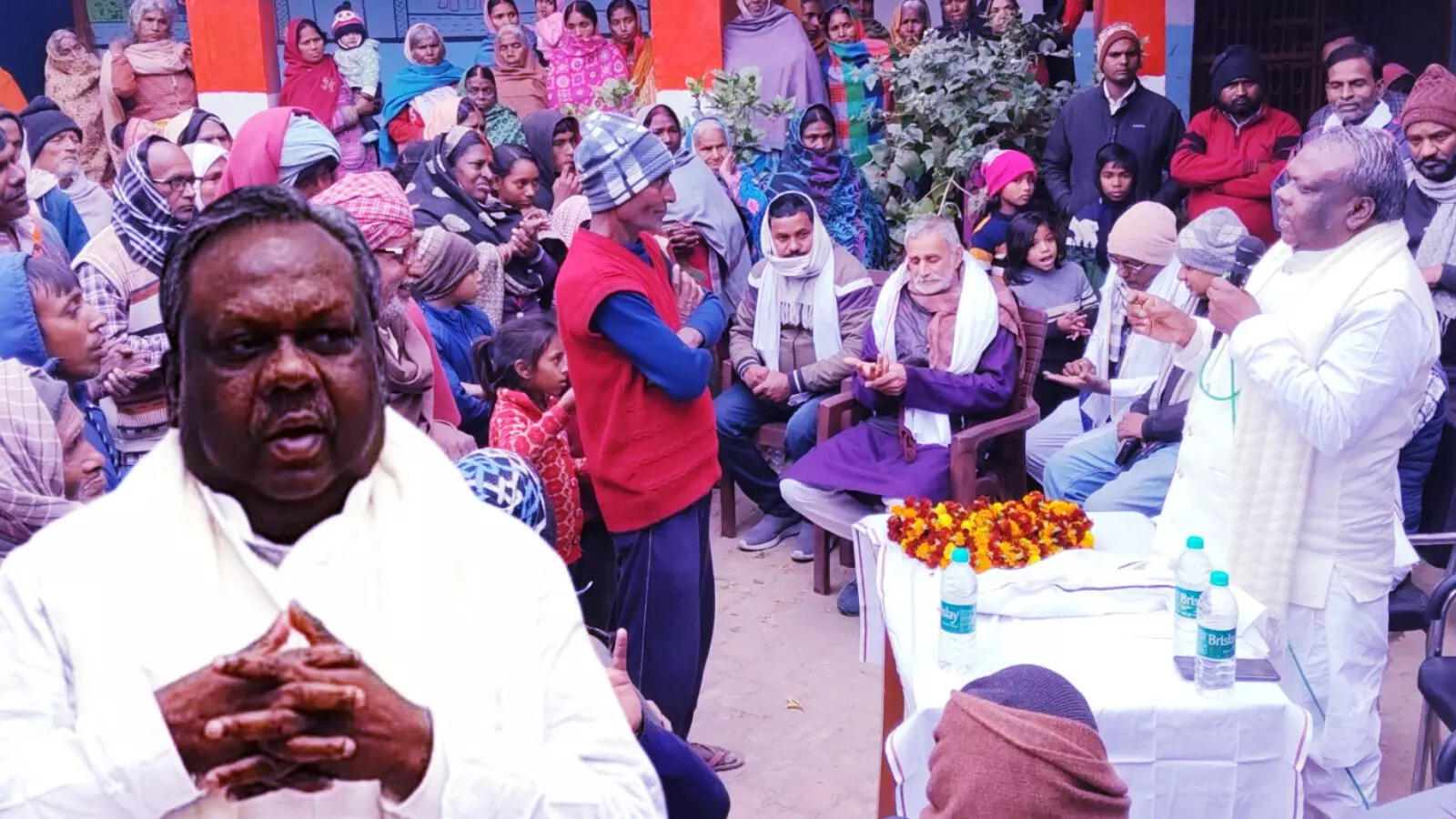
Patna, Bihar — Arun Manjhi delivered a significant upset in Masaurhi, toppling the RJD stronghold and securing a post with state minister status after a decisive victory in the 2025 Bihar assembly polls. The win not only ended Rekha Devi’s winning streak but also strengthened the Janata Dal (United) position in the Patliputra belt.
Arun Manjhi victory reshapes Masaurhi politics
According to the Election Commission figures, Arun Manjhi of the JDU polled 106,505 votes, while sitting RJD MLA Rekha Devi managed 98,862. Manjhi’s margin of victory was 7,643 votes, overturning the 2020 result where Rekha Devi had defeated the JDU candidate by more than 32,000 votes.
The contest drew attention because Masaurhi had long been regarded as a secure seat for the RJD. With roughly 325,000 registered voters in the constituency, turnout was substantial at 66.91 percent, signalling active engagement on development and local issues over traditional caste calculations.
Arun Manjhi, around 55 years old and a resident of Masaurhi (Nargada), is a tenth-pass candidate who declared assets exceeding one crore rupees in his election affidavit. His campaign and local reputation contributed to JDU’s recovery in a key district of Patna and provided the party with fresh momentum ahead of wider political battles in the state.
Immediate reward: whip post and ministerial rank
Following the result, the JDU appointed Manjhi as a party whip in the Bihar assembly. That role carries the rank of state minister in the state government, a move that signals both recognition of his campaign effort and the party’s intent to consolidate influence in the Patliputra area under Nitish Kumar’s leadership.
The appointment is likely to have practical implications for local governance and resource allocation, as whips with ministerial rank can wield administrative clout that benefits their constituencies.
Electoral dynamics and the failed third-force bid
The election effectively became a two-way contest after efforts by Prashant Kishor’s Jan Suraj to turn it into a triangular fight fell short. Jan Suraj fielded Rajeshwar Manjhi but the new entrant failed to attract enough support, and voters returned to a bipolar choice between JDU and RJD. The result suggests limited appetite for the new party in this part of Patna district at present.
For the JDU, the Masaurhi win represents a strategic comeback. Party strategists will point to the result as evidence that a focus on development and local issues can override long-standing caste-based patterns, at least in constituencies where candidates can mobilise broad local support.
Rekha Devi’s defeat is notable because she had won the seat in both 2015 and 2020. Her loss underscores shifting voter priorities and the competitive nature of politics in Bihar as state leaders position themselves for influence in the run-up to future contests.
With Arun Manjhi now holding a whip’s post and the rank of state minister, attention will turn to how he uses that position to deliver on local promises and strengthen JDU’s standing in the Patliputra belt.








