











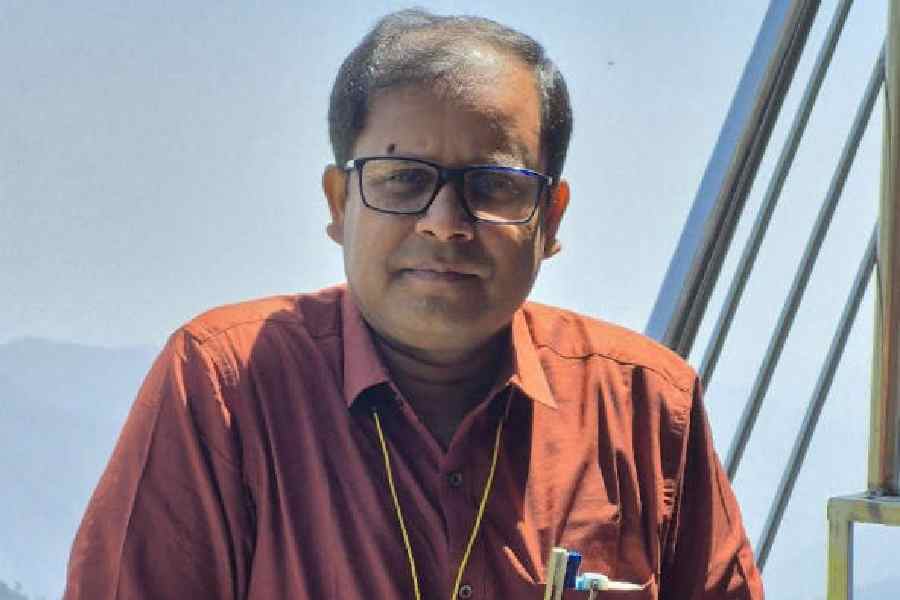
Ashok Kumar Mitra, the Trinamool Congress chairman of Balurghat municipality in West Bengal, resigned on Wednesday evening, 12 days after a group of councillors lodged a no-confidence motion against him. The resignation, submitted to Balurghat Sub-Divisional Officer Subrata Kumar Barman, was tendered in the presence of district Trinamool president Subhash Bhowal and councillors regarded as close to Mr Mitra.
Balurghat chairman resignation and immediate consequences
The no-confidence motion, filed on 19 December by 14 of the municipality’s 25 councillors, set in motion days of tense negotiations and internal party consultations. According to party sources, Mr Mitra stepped down following directives from the Trinamool state leadership and will continue to serve the party in an important organisational capacity at district level.
“I have submitted my resignation in compliance to party instructions. As a disciplined party worker, I will continue to serve the party,” Mr Mitra told reporters when contacted. Mr Mitra’s decision removes the need to pursue the formal no-confidence process, the SDO said.

Balurghat SDO Subrata Kumar Barman confirmed receipt of the resignation letter and said the administration will now examine the legal and procedural aspects before taking the necessary steps. “We have received the chairman’s resignation. Necessary steps deferring to legalities will be taken after examining all aspects,” he said.
District Trinamool president Subhash Bhowal, who was present when the resignation was submitted, said Mr Mitra would retain a key organisational role and remain actively involved in party work. That comment signals the party’s intent to manage the transition internally while keeping Mr Mitra within the local leadership structure.
The Bharatiya Janata Party in South Dinajpur called the resignation inevitable. Swarup Choudhury, the district BJP president, said factionalism within Trinamool had long hampered development and civic services in the municipality and that the outcome was foreseeable.
Local analysts say the episode highlights enduring factional tensions within the Trinamool Congress at municipal level. While the resignation may defuse the immediate standoff, it leaves questions about administrative continuity and how quickly the municipality can resume normal civic functions. Municipal councils are responsible for key local services such as water supply, sanitation and street maintenance; prolonged political disputes can impede routine delivery.
Under municipal rules, once the chairman’s resignation is accepted and formalities are complete, the administration will determine interim arrangements until a new chairman is elected or appointed according to statutory procedures and party decisions. The presence of an organised party-led solution suggests the Trinamool leadership prefers an orderly handover rather than prolonged contestation.
For residents of Balurghat, the immediate concern will be clarity on who will take charge of municipal operations and assurance that essential services will not be disrupted. For the party, managing internal dissent while maintaining a visible commitment to governance will be central to restoring confidence among councillors and voters.
As the legal formalities proceed, attention will fall on how quickly the district party can nominate a successor and whether the episode prompts broader changes among local office-bearers. For now, Mr Mitra’s resignation closes one chapter of the dispute while keeping him active in the party’s organisational structure.
Key Takeaways:
- Balurghat chairman resignation follows a no-confidence motion filed by 14 of 25 councillors on 19 December.
- Ashok Kumar Mitra stepped down on party instructions and will retain an organisational role within Trinamool.
- SDO confirmed receipt of the resignation and said legal formalities will be examined, removing the need to continue the no-confidence process.
- BJP local leaders blamed factionalism for governance disruptions in the municipality.








