











Key Takeaways:
- Russian maker KAMA re-priced the Atom to make it more affordable and competitive against Chinese electric vehicles.
- Management says the Atom electric car price will be positioned tens of percent below comparable Chinese models, aided by state support.
- Target retail band is 2,700,000–3,200,000 RUB, with initial pre-orders open only to KamAZ employees.

Atom electric car price drops ahead of sales launch
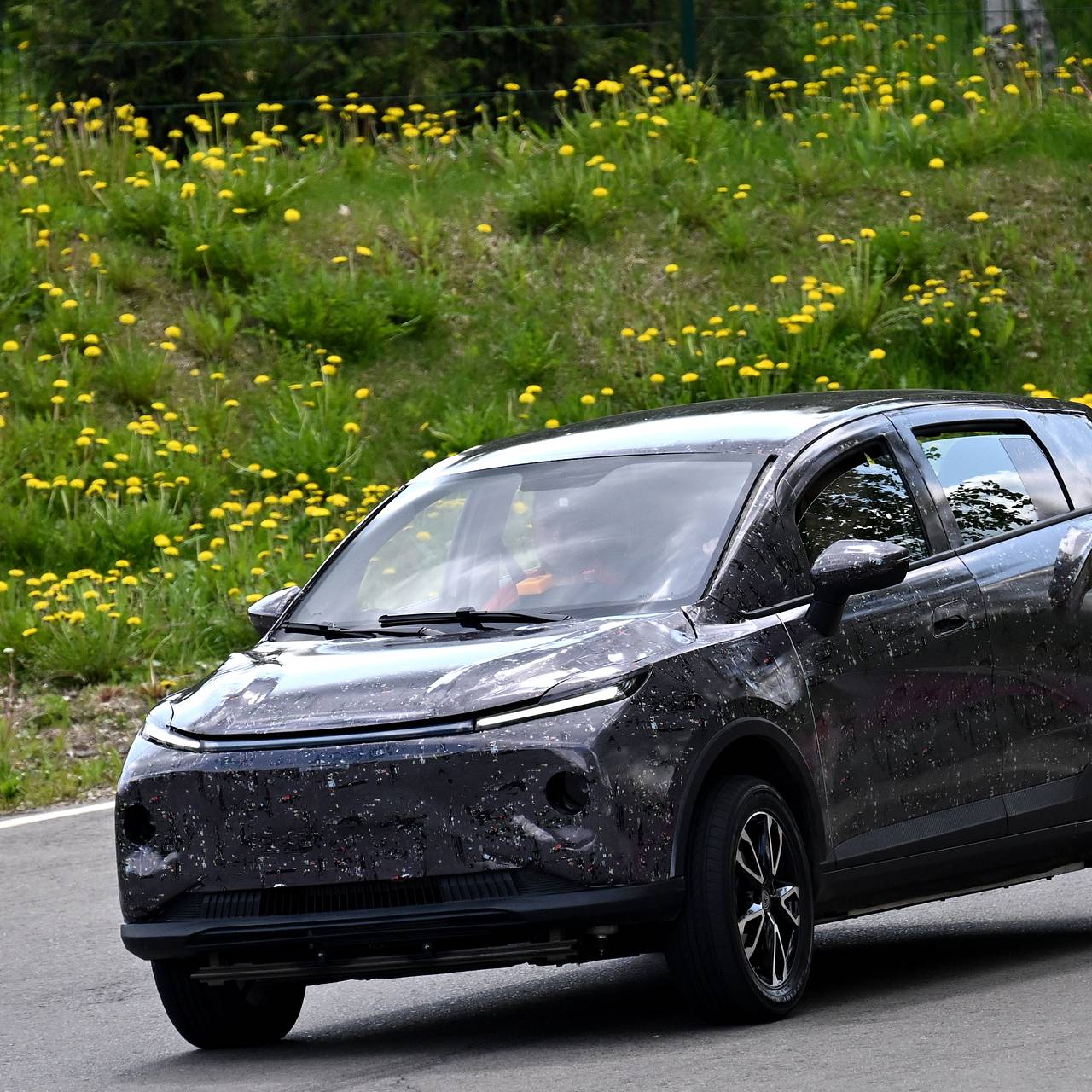
The Russian-made electric car Atom has undergone a price reassessment and is now positioned to be markedly cheaper than comparable Chinese models, according to Igor Povarazdnyuk, head of KAMA JSC. The move is intended to make the vehicle more accessible to buyers and to help domestic electric vehicles gain a foothold in the mass market for passenger cars.
Atom electric car price and market positioning
Povarazdnyuk told reporters that the company will price the Atom tens of percentage points below existing Chinese electric cars that match it on specifications and features. He added that state support measures for domestic electric-vehicle demand will also contribute to the model’s competitiveness against petrol cars.
The target retail price band for the Atom has been set between 2,700,000 and 3,200,000 roubles. That range is intended to position the car as an affordable option for consumers seeking to switch from traditional internal combustion vehicles to battery electric alternatives, while still undercutting imports.
Industry observers say the pricing strategy reflects broader policy goals to develop a homegrown electric-vehicle industry and to reduce reliance on foreign suppliers. A lower price point could accelerate adoption of electric cars in Russia if the product meets expectations on reliability, range and aftersales service.
Launch and limited pre-orders
Sales of the first batch of the Atom have been announced, although the initial phase is confined to pre-orders and is available only to KamAZ plant employees in Naberezhnye Chelny. That limited rollout suggests the manufacturer is taking a cautious approach to production ramp-up, seeking to gather early feedback and to manage supply chain constraints.
Officials and company executives have emphasised that wider consumer availability will depend on production capacity and the scale of state support. Povarazdnyuk said that support measures will be pivotal in maintaining the planned price band and in bringing the Atom closer to the mainstream market for petrol cars.
What this means for competition and consumers
If the Atom delivers on its promised price and performance, it could alter the competitive dynamics in the Russian electric-vehicle market. Chinese manufacturers have been prominent suppliers of affordable EVs in many markets. A domestically priced alternative may encourage buyers to consider a local product, while also prompting rivals to adjust pricing.
However, experts note that price alone will not guarantee success. Factors such as vehicle quality, charging infrastructure, warranty support and resale values will influence consumer decisions. The government’s role in providing incentives or subsidies may be crucial in the early stages to bridge the gap between niche adoption and mass-market acceptance.
For now, the Atom’s re-pricing is a clear signal that Russian manufacturers aim to compete directly with imports on cost. Observers will be watching closely as pre-orders convert to volume sales and as the company scales up production beyond the initial limited release.
Source: Rossiyskaya Gazeta; statements by Igor Povarazdnyuk, head of KAMA JSC.








