











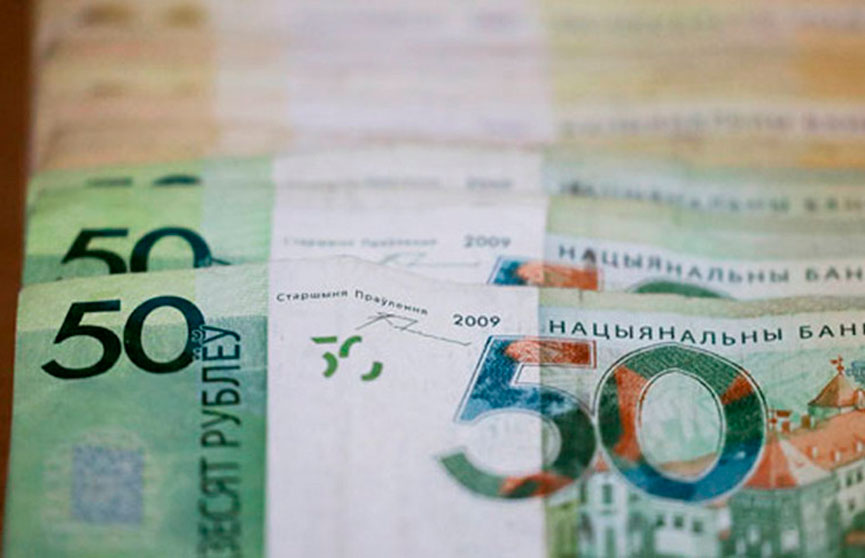
From 1 January 2026 a new law in Belarus streamlines the recovery of certain debts by permitting automatic deductions from debtors’ bank accounts. The legislation, which amends rules on enforcement proceedings, aims to speed up collection of fines and small monetary obligations while preserving an opportunity for voluntary settlement.
automatic fines Belarus: key changes to debt collection
The law allows fines, including traffic penalties recorded by cameras, to be automatically withdrawn from a debtor’s bank account where the outstanding amount does not exceed 20 base units (900 Belarusian roubles) and there are no other active enforcement proceedings. Authorities say the measure is intended to reduce administrative delays and ensure timely enforcement of minor debts.
Debtors will have two months to settle the obligation without further penalties. In the first month they must pay at least 30% of the debt; in the second month they must clear the balance. If a debtor fails to comply, authorities may take further measures such as seizing property or temporarily restricting the right to drive.

Enforcement officers may, under the new rules, attach not only funds held in bank accounts but also deposits and savings in non-bank credit institutions and balances in electronic wallets. A forced collection fee has been set at 10% of the debt, subject to a minimum charge of 0.5 base units (22.5 roubles).
The measures extend to corporate debtors as well. Designated officials of indebted companies may face temporary bans on operating motor vehicles and small craft, and company-registered vehicles will be prohibited from leaving Belarusian territory. Previously, such travel restrictions applied primarily to individuals; the extension to organisations marks a notable broadening of enforcement tools.
Officials who support the reform argue it will improve compliance and reduce the backlog of small claims in the enforcement system. Critics warn that automatic withdrawals risk affecting citizens who may be temporarily unable to access funds and that safeguards will be needed to prevent undue hardship.
Under the statutory timeline, once an enforcement order is issued the relevant agency may initiate an automatic deduction if the debt meets the statutory threshold and procedural conditions. The two-month grace period is designed to preserve an element of fairness, giving debtors time to arrange payment or contest the claim through legal channels.
The law also clarifies administrative fees and expands the universe of accounts subject to enforcement, reflecting a move toward comprehensive electronic enforcement in the financial sector. Observers note this aligns with wider regional trends where authorities are increasingly using digital payment systems to enforce compliance.
For affected individuals and businesses, the practical implications will depend on implementation details and the responsiveness of banks, non-bank financial institutions and electronic payment providers. Those holding deposits or maintaining balances in multiple wallets should monitor communications from enforcement agencies and consider settling eligible debts within the allowed window to avoid additional charges or restrictions.
Legal advisers recommend reviewing individual cases promptly and, where appropriate, seeking clarification or lodging an appeal through established judicial procedures. The new rules come into force at the start of the year and will be closely watched by citizens and businesses for their operational impact.
Key Takeaways:
- Belarus will begin automatic deduction of fines from bank accounts for small debts under a new law.
- Automatic fines Belarus law applies to debts up to 900 BYN and allows a two-month window for repayment.
- Courts may also seize deposits, electronic wallets and apply restrictions on vehicle movement for debtor organisations.
- Enforcement may add a 10% forced collection fee and other administrative measures for non-compliance.








