











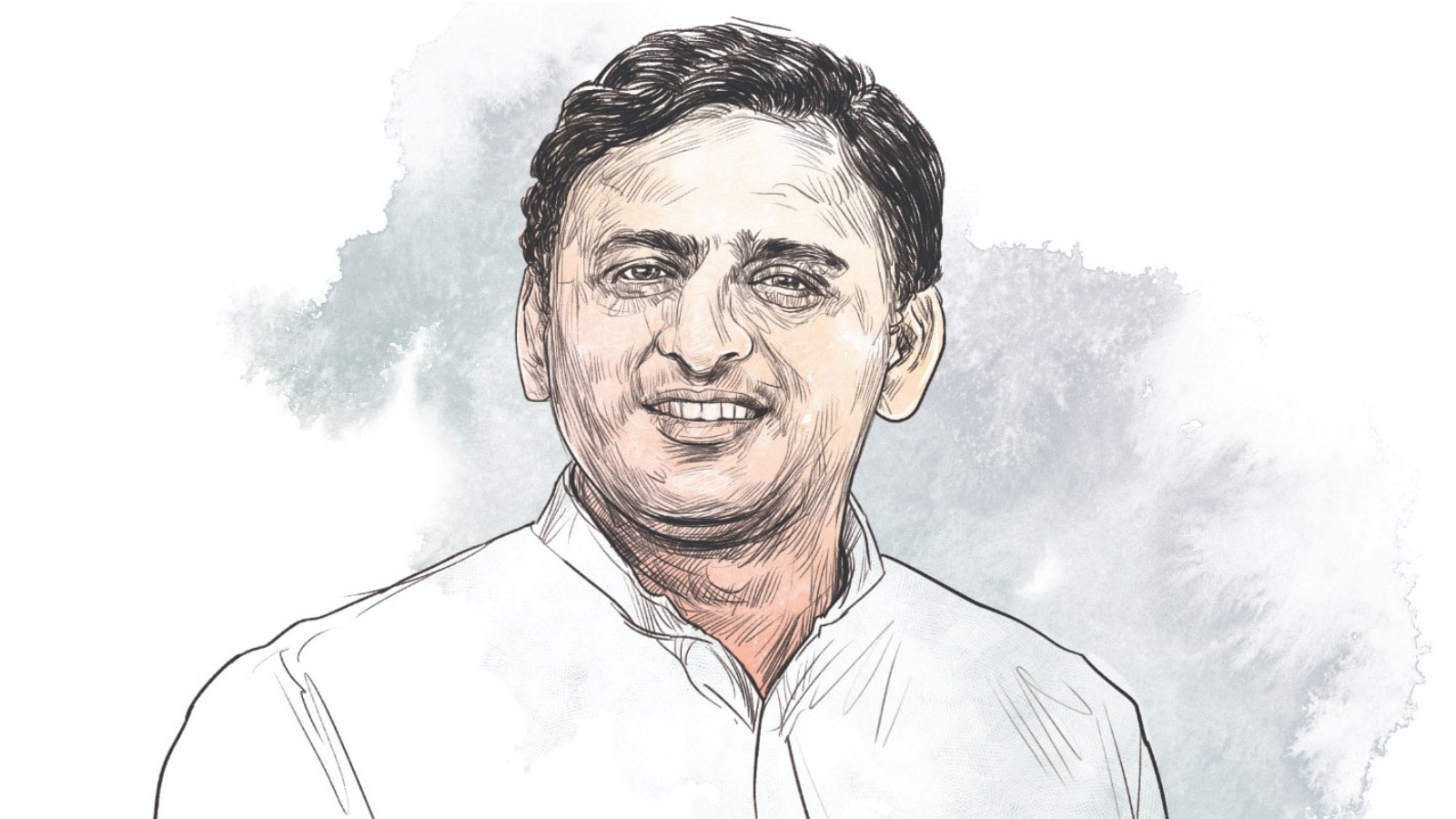
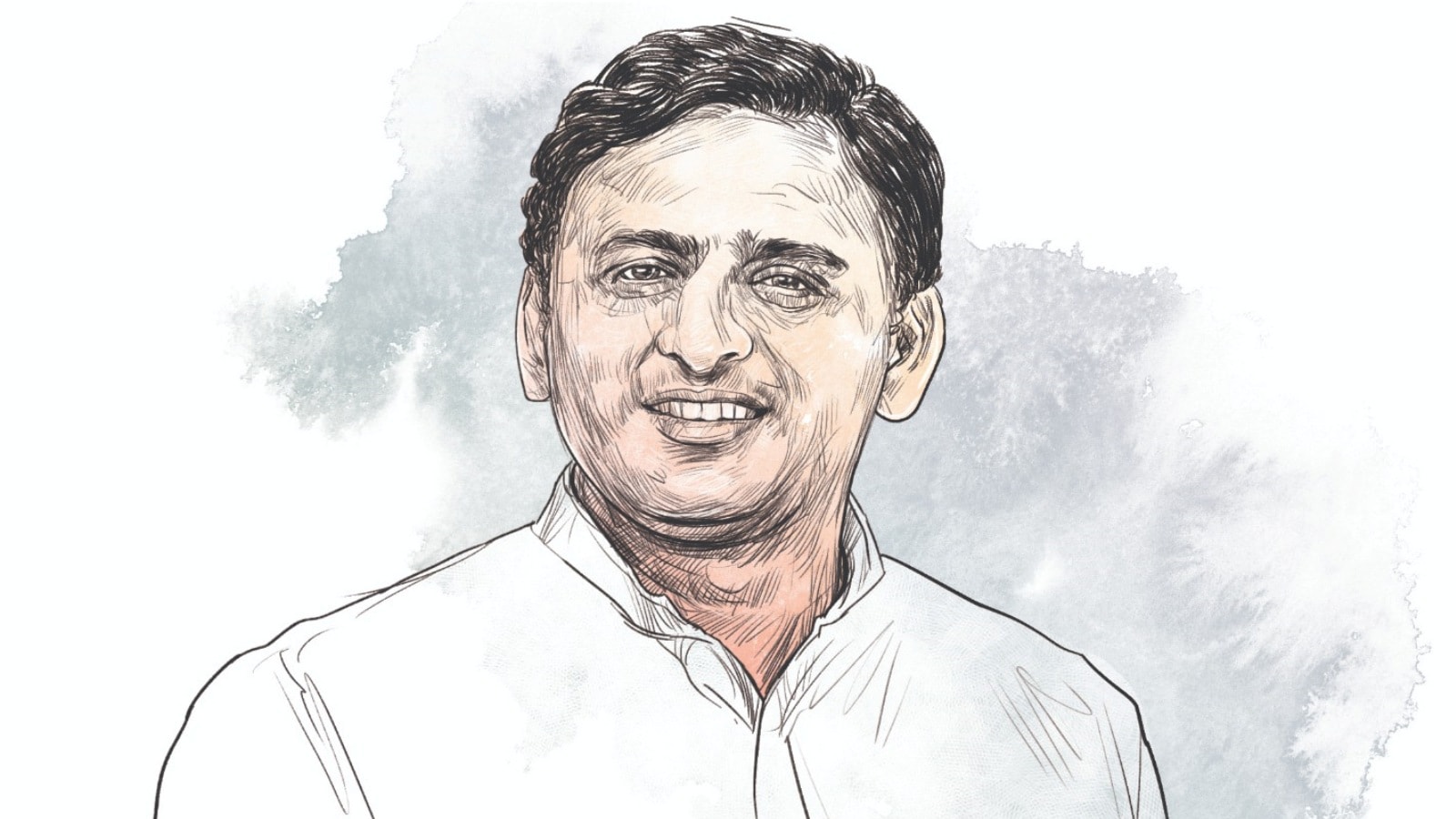
The Samajwadi Party organised a public baati-chokha feast on New Year’s Day as a deliberate response to recent criticism over community-based dinners in Uttar Pradesh. The event, attended by party workers and supporters from various castes and communities, was presented by SP national president Akhilesh Yadav as a repudiation of caste-based politics and an appeal for collective participation.
Baati-chokha feast India brings a message of unity
Akhilesh Yadav, addressing the gathering, said baati-chokha should not be defamed in internal conflicts and urged party members to eat together without restriction. The feast followed a warning issued by the BJP’s Uttar Pradesh unit president, Pankaj Chaudhary, to several Brahmin MLAs and MLCs who had attended a community meeting-cum-dinner where the eastern Uttar Pradesh and Bihar delicacy was served. SP sources characterised the New Year event as a public statement against caste-based activity by the ruling party.

The choice of baati-chokha — a rustic, regionally popular meal — lent the event a symbolic resonance. For the SP, the menu served as a cultural signifier designed to underscore inclusivity and to frame the party’s message in familiar, regional terms rather than through abstract rhetoric.
Political analysts noted that the timing of the feast, on the first day of the year, was intended to set the tone for the months ahead. By presenting the meal as open to all castes and communities, the SP sought to convert a local culinary tradition into a political statement about social cohesion and opposition to perceived exclusionary tactics.
Meanwhile, in Kerala, a separate incident attracted attention when editions of Janmabhumi newspaper in two northern districts ran the editorial page of Chandrika, the Muslim League’s mouthpiece. The mix-up occurred at a private printing centre where plates for several newspapers were prepared. Readers and rival political parties responded with amusement and criticism, with the CPI(M) seizing the opportunity for political jibes.
In Delhi, the Aam Aadmi Party marked the New Year with an organisational gathering at the residence of former deputy chief minister Manish Sisodia. The party played its long-running campaign song “Paanch Saal Kejriwal”, prompting an impromptu dance involving former chief minister Arvind Kejriwal and other senior figures. The event highlighted the party’s effort to maintain morale and organisational cohesion following recent electoral setbacks.
Collectively, these episodes reflect a broader pattern of Indian parties using cultural symbols and public events to convey political messages. Whether through food, print media mishaps, or campaign music, parties are adapting familiar rituals to sharpen their narratives as the political calendar advances.
As the year begins, observers will watch whether such symbolic gestures translate into sustained political momentum or remain ephemeral expressions timed to capture public attention. For now, the baati-chokha feast has served its immediate purpose: projecting unity and challenging opponents to respond on social, rather than purely partisan, terms.
Key Takeaways:
- Samajwadi Party organised a baati-chokha feast in India on New Year’s Day to counter caste-based political activity and promote unity.
- SP leader Akhilesh Yadav urged members to accept the traditional dish without discrimination, framing the event as a message to the ruling party.
- Separately, a print mix-up in Kerala saw Janmabhumi run Chandrika’s editorial page, drawing amusement and political jibes.
- The Aam Aadmi Party celebrated New Year with its campaign song, with senior leaders joining an impromptu dance.








