











Key Takeaways:
- Bandipur Tiger Reserve officials say night operations were conducted to protect people after fatal attacks, while activists allege breaches of NTCA guidelines.
- Activists claim captures took place after dusk and involved thermal drones; some animals were released and others sent to Chamundi Rehabilitation Centre.
- Concerns raised over translocation without territory studies and the high cost and influence of rented thermal drone equipment.

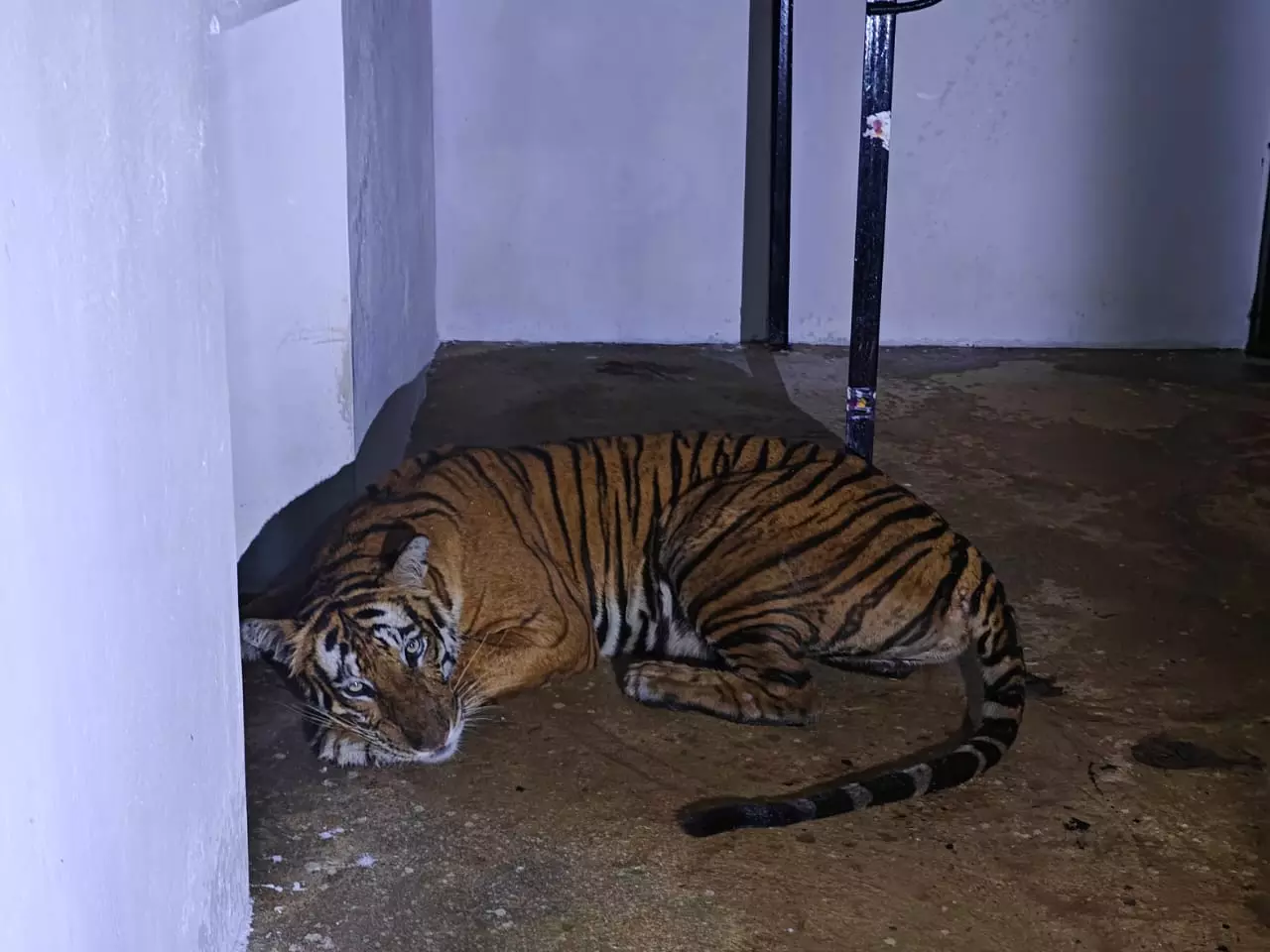
Bandipur Tiger Reserve officials have defended recent operations to capture straying tigers after a wildlife activist alleged systematic breaches of National Tiger Conservation Authority (NTCA) guidelines. The captures, which local sources say include as many as 18 animals in recent months, followed attacks on farmers at the reserve periphery.
Bandipur tiger captures under scrutiny
The activist told Deccan Chronicle that NTCA guidance precludes capturing tigers after dusk, commonly understood as 6pm, yet several operations were carried out late at night. Officials at Bandipur said they began capture efforts in the early evening and completed them by 7pm, arguing their actions sought to protect residents following fatal incidents attributed to tigers.
According to the activist, some straying animals are released back into the wild while others, particularly injured individuals, are transferred to the Chamundi Rehabilitation Centre near Mysuru. The activist also alleged that a number of captured tigers were translocated to other reserves in the state without a thorough assessment of territorial dynamics, risking conflict with resident dominant animals at the release sites.
Territorial behaviour among tigers is well documented. Conservationists warn that releasing a displaced tiger into an area already occupied by another dominant animal can lead to violent encounters and further jeopardise the translocated individual’s survival. The activist cited an instance where a tiger released in Nagarhole Tiger Reserve may have faced such risks because no prior territorial survey was conducted.
The use of thermal drone cameras in night-time operations has drawn particular criticism. The activist said a rented thermal drone, which costs around Rs 35,000 a day, has been in use for approximately three months and that the operator has often influenced decisions on whether to attempt a capture. The cost and chain of command in such operations are being questioned by local observers.
Reserve officials maintain their actions were driven by urgent safety concerns. They point to recent attacks that left one farmer injured and two other farmers dead; those incidents prompted an increased operational response at the reserve boundary. A senior official told the press that, if strictly interpreted, some NTCA provisions would limit capture activity, but they argued the timing and method of operations were adapted to on-ground realities.
Prabhakaran, the Field Director of Bandipur Tiger Reserve, did not respond to requests for comment.
Conservation groups and activists are calling for clarity. They want independent reviews of recent captures, transparent disclosure of translocation protocols and confirmation that NTCA guidelines are followed. At the same time, local communities and reserve managers face the twin challenges of ensuring human safety and preserving tiger welfare. Observers suggest a measured approach that combines scientific assessment of each animal’s behaviour, careful planning for any translocation and community engagement to reduce human-wildlife conflict.
As scrutiny increases, the case highlights wider tensions in wildlife management: how to balance the urgent need to protect people with the ecological requirements and legal safeguards intended to conserve a species whose survival often depends on maintaining natural territories and minimal human disturbance.








