











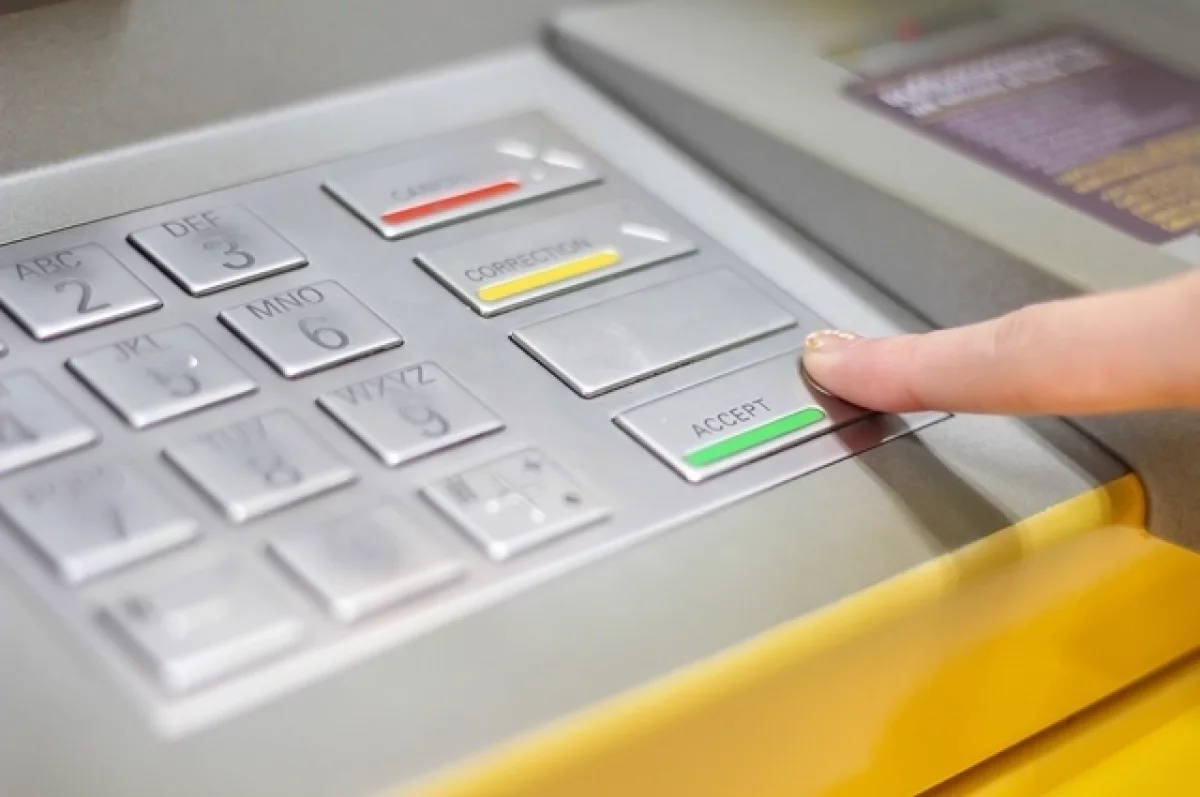
Russian banks have been tightening controls on large cash withdrawals at automated teller machines, and operations withdrawing sums from 100,000 Russian roubles may be blocked, a financial market expert told NEWS.ru. The measures reflect banks’ efforts to curb fraud and the practical limits of ATM cash supplies.
Cash withdrawal limits in Russia explained
According to Andrey Barkhota, banks are lowering the threshold at which withdrawals are flagged as suspicious. For many regional branches the level sits around 100,000 roubles, while in major cities banks may treat amounts nearer 200,000 roubles as the point at which additional checks are triggered. Financial institutions consider such transactions potentially fraudulent because large cash withdrawals have traditionally been handled over the counter at bank branches.
Barkhota noted two practical reasons behind the stricter stance. First, many ATMs do not hold the quantity or denominations needed to fulfil very large cash requests, so a customer may be left without funds if the machine cannot dispense the requested amount. Second, banks have long seen high-value withdrawals as something customers prefer to process at a teller where identity and intent can be confirmed directly.

The combination of reduced ATM cash stocks and heightened fraud controls means banks increasingly rely on monitoring systems that flag unusual transactions. When a flagged withdrawal occurs, the operation can be blocked automatically pending verification, which may cause immediate inconvenience for the account holder.
How customers can avoid blocked ATM withdrawals
Consumers can take several practical steps to reduce the risk of an unexpected block. First, notify your bank in advance if you plan to withdraw a large sum, either by telephone, through the bank’s mobile app, or in person at a branch. This alert allows the bank to record the request and ensure adequate cash is available at a nearby ATM or arrange for a teller withdrawal.
Second, consider withdrawing large amounts at a bank counter rather than at an ATM. Branch staff can verify identity and handle the cash in denominations that meet your needs, and they can provide a receipt and a clear audit trail. If an ATM withdrawal is necessary, splitting the sum into smaller transactions across several days or using multiple ATMs can also reduce the chance of triggering automatic blocks.
Third, use digital alternatives where possible. Card payments, bank transfers and certified cash withdrawal services typically offer higher limits and greater traceability, which can be preferable for sizeable transactions. Consumers should check their card and account limits, and be aware of daily ATM caps set by both their bank and the ATM operator.
Financial commentator Evelina Gomonko previously advised methods for avoiding blocked bank transfers, underlining that clear communication with a bank and adherence to its procedures remain the most reliable ways to prevent interruptions to payments and withdrawals.
As banks continue to refine fraud-detection rules and manage cash logistics, customers should plan ahead for sizeable cash needs and use branch services or bank support to avoid being caught without funds.
Key Takeaways:
- Banks in Russia are lowering thresholds for suspicious ATM withdrawals, with regional limits around 100,000 RUB and higher limits in major cities.
- Cash withdrawal limits in Russia are driven by fraud prevention and practical ATM cash constraints, increasing the risk of blocked transactions.
- Customers are advised to notify their bank ahead of large withdrawals, use branch counters for high amounts, or split withdrawals to avoid being left without cash.








