











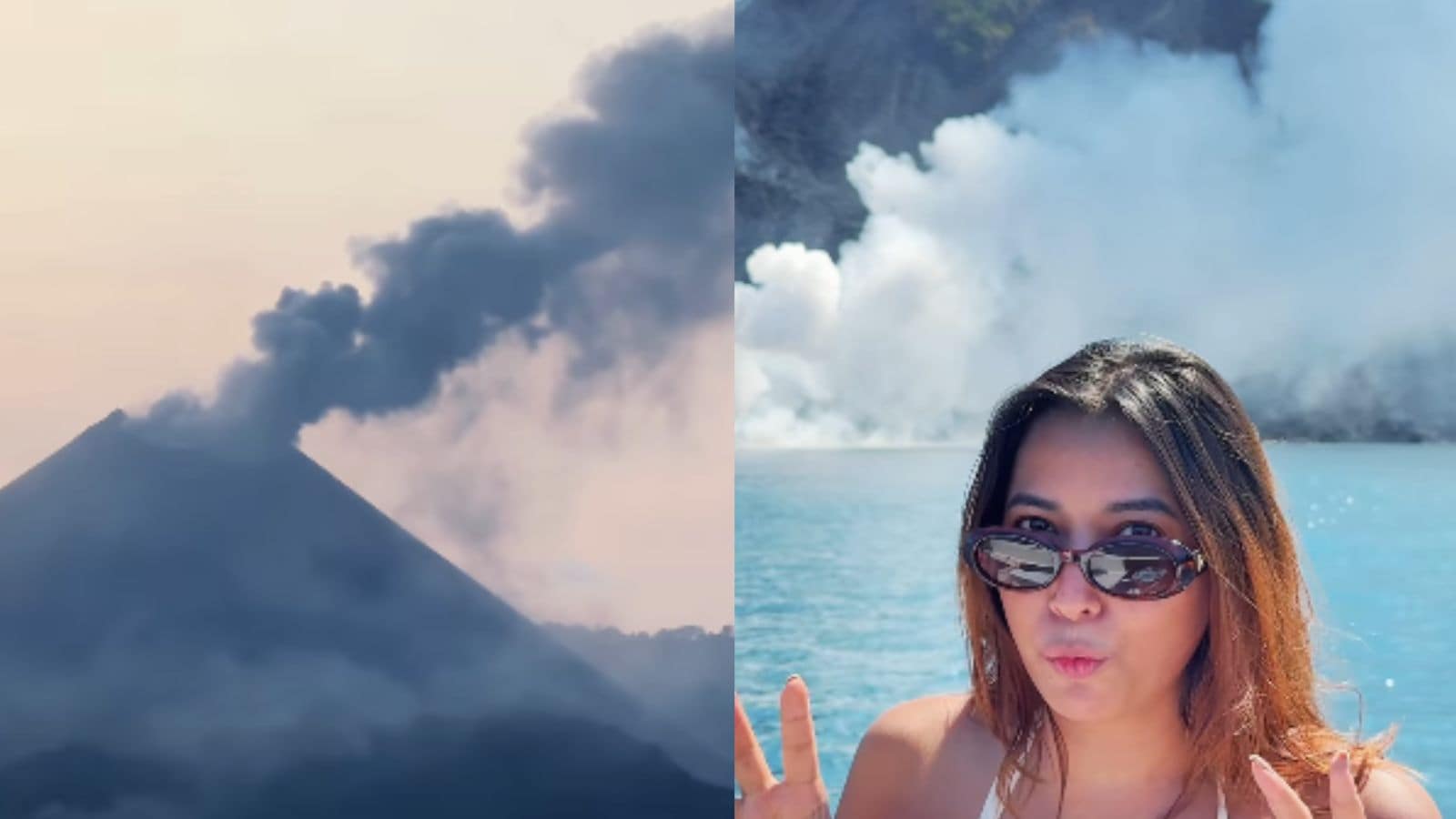
Hidden well away from the Andaman archipelago’s more frequented beaches, India’s only active volcano on Barren Island remains largely out of reach for most travellers. A recent social media post by a content creator has renewed interest in the site, but also highlighted the logistical, regulatory and environmental reasons that keep visitor numbers exceptionally low.
Barren Island volcano access and permits
Reaching Barren Island is not straightforward. Visitors must obtain special permits and secure passage on vessels that are specifically authorised to approach the island. Many tour operators do not run trips to the volcano, and official information online is limited. According to the content creator, the total cost of a visit works out to roughly Rs 25,000 per person, and bureaucratic clearance can take time — factors that combine to keep the destination off the typical tourist circuit.
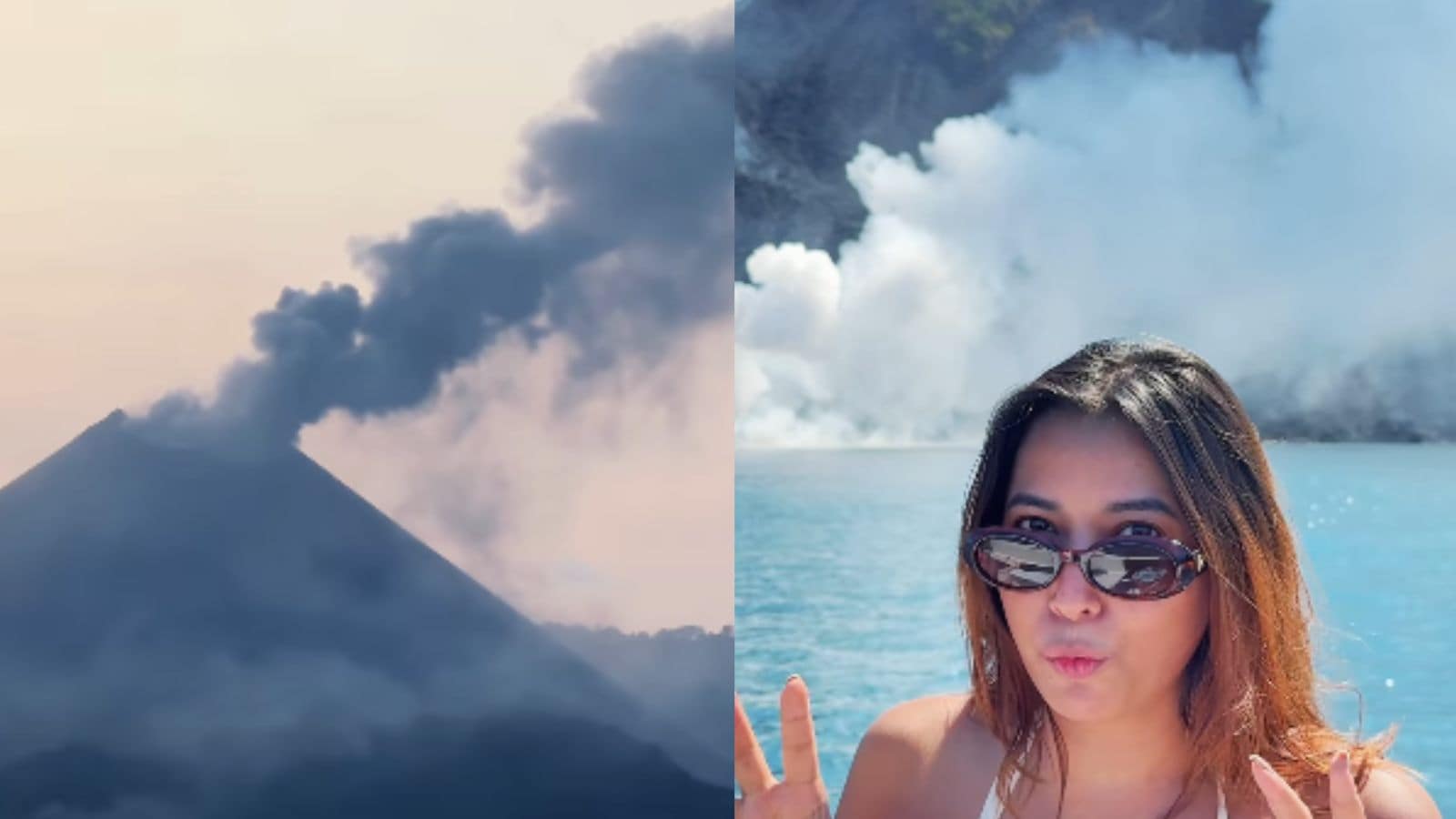
The Instagram video that prompted renewed attention captioned the trip as witnessing “the only active volcano in India”, and claimed that only 0.01% of the country’s population has ever been there. The post attracted a range of reactions, from admiration of the site’s dramatic scenery to concerns about the impact of increased tourism. One comment urged people not to publish route details, fearing environmental damage.

Geography and recent history
Barren Island is compact, barely three kilometres across, with a crater that measures around two kilometres. The volcano rises from the seabed, beginning almost 2,250 metres below the ocean floor and reaching roughly 354 metres above the water. Recorded eruptions date back to 1787, and the island’s more recent activity has shaped both its topography and its ecology.
Volcanic activity has reduced the range of species able to inhabit the island. Observers report that several bird species have disappeared following eruptions, with only a handful now regularly seen. The Pied Imperial Pigeon is among the most commonly recorded birds on Barren Island today.
Tourism, cost and conservation concerns
The combination of expense, permit requirements and limited operator availability means Barren Island sees very few visitors. Tourists generally fly to Sri Vijaya Puram (airport code IXZ) and then board specially allotted ships from there for volcano sightings. Local and online accounts vary in detail, and prospective visitors are advised to consult authorised government channels and licensed operators before making plans.
Conservationists warn that opening the island to mass tourism could harm its fragile environment. Several commentators on the social media post expressed reluctance to share detailed travel instructions precisely because they fear the negative impact of unregulated visitation. For now, the island’s relative inaccessibility appears to shield it from large-scale human disturbance.
While the recent video has prompted curiosity and debate, Barren Island remains a destination for the few who can navigate the permits, finances and logistics required. Its remoteness and the strict controls governing access help explain why this unique geological feature remains one of India’s least explored places.
Key Takeaways:
- India’s only active volcano on Barren Island remains rarely visited due to permit requirements and limited tour operators.
- Trips cost around Rs 25,000 per person and require time-consuming permits, keeping visitor numbers extremely low.
- The island is small — roughly 3 km wide with a 2 km crater — and its eruptions have reduced local wildlife diversity.
- Conservation concerns and scarce online information contribute to the island’s status as one of India’s least explored places.








