











Key Takeaways:
- Beijing-Tangshan intercity railway starts full-line operation, linking Tongzhou, Baodi and Tangshan and cutting travel time to as little as 55 minutes.
- The line is designed for a top speed of 350 km/h, improving passenger mobility across the Beijing-Tianjin-Hebei region.
- Officials expect enhanced commuter links, regional economic integration and broader transport connectivity.

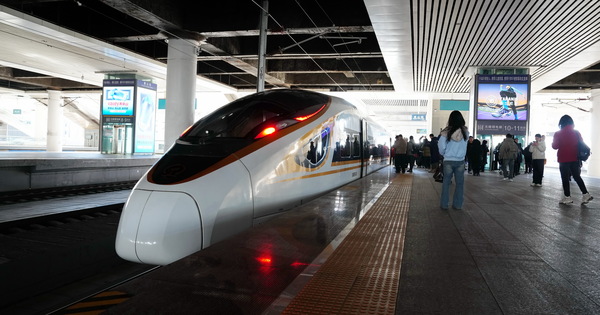
Tangshan, Hebei — The Beijing-Tangshan intercity railway began full-line operation on Tuesday, providing a high-speed link between Tongzhou District in Beijing, Baodi District in Tianjin and Tangshan in Hebei Province. The line, designed for a maximum speed of 350 km/h, reduces the journey between Tongzhou and Tangshan to a minimum of 55 minutes, marking a significant improvement in regional rail connectivity.
Beijing-Tangshan intercity railway strengthens regional links
The new service integrates three major nodes in the Beijing-Tianjin-Hebei metropolitan cluster, offering faster, more reliable travel for commuters and travellers. By cutting travel times and increasing capacity, the route aims to ease pressure on existing transport corridors and encourage greater movement of people for work, education and leisure.
Trains on the route are scheduled to run at high frequency, serving suburban and urban passengers alike. The operation promises a step change in daily commute patterns for residents of outlying districts, while also supporting tourism and business travel between the cities.
Transport planners say the project is part of broader efforts to knit together the transportation networks of the Beijing-Tianjin-Hebei region. Officials expect improved accessibility to stimulate local economies along the route, create job opportunities in transport and related services, and attract investment into peripheral districts.
At the technical level, the line’s 350 km/h design speed places it among China’s faster intercity links. State-owned railway operators have emphasised safety and punctuality as priorities, citing modern signalling systems and rolling stock tailored for high-speed commuter services. The route’s opening follows a period of testing and phased commissioning, culminating in the full-line launch this week.
Analysts note that the enhancement of passenger rail infrastructure in northern China mirrors ongoing national efforts to expand high-speed networks and promote balanced regional development. Greater rail connectivity frequently reduces reliance on road travel, lowers travel costs for households, and can cut carbon emissions when integrated with broader public transport systems.
Local governments along the line are expected to coordinate on complementary measures such as feeder bus services, improved station access and urban planning adjustments to accommodate increased passenger flows. For residents, the most immediate benefit will be reduced travel time and more predictable journey schedules.
While the Beijing-Tangshan intercity railway primarily serves passengers, the improved corridor may also influence freight logistics indirectly, by freeing capacity on mixed-use lines and encouraging modal shifts where appropriate. Over time, planners will assess ridership patterns to optimise timetables and service frequency.
The launch of the line adds to China’s extensive high-speed rail footprint and underscores the country’s continued investment in transport infrastructure. For the Beijing-Tianjin-Hebei cluster, the service offers a tangible boost to daily mobility and regional integration, reinforcing the role of rail in shaping urban and economic relations across city boundaries.








