











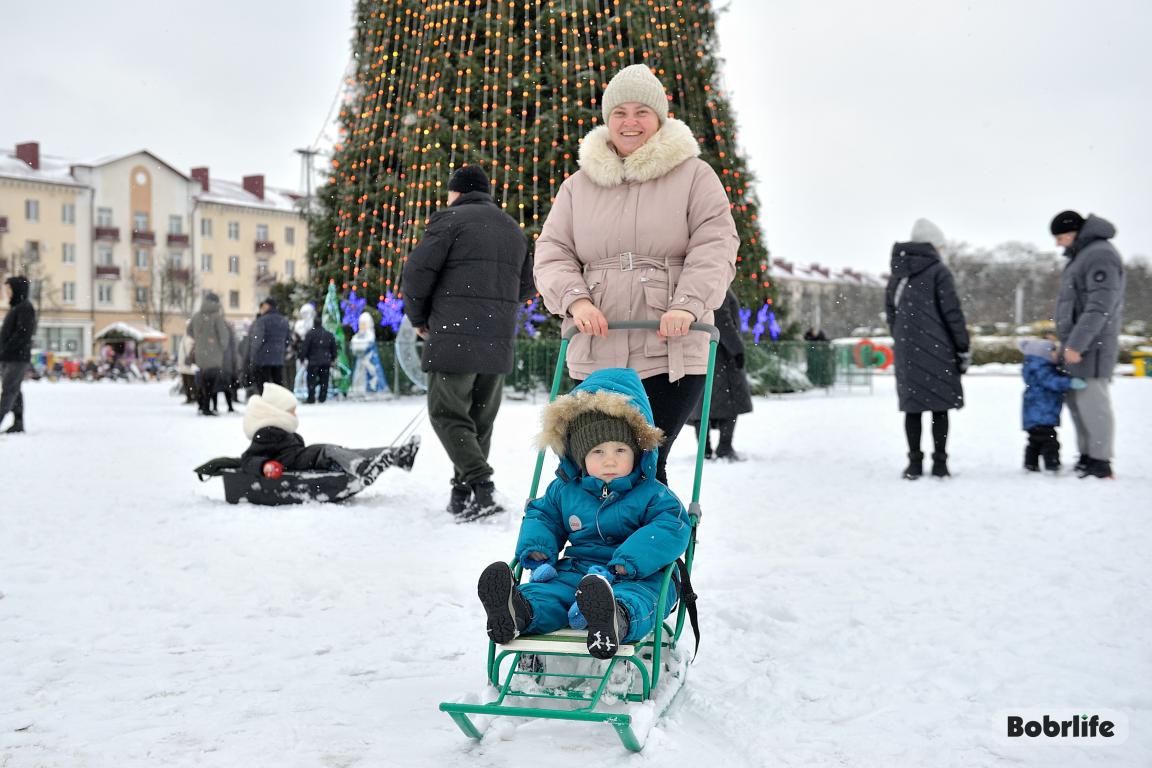
President Alexander Lukashenko has signed Decree No.1, formally declaring 2026 as the Year of the Belarusian Woman. The decree, published by the presidential administration, tasks the government together with regional executive committees and the Minsk city executive committee to draw up and approve a republican programme of events and measures to be carried out throughout the year.
Year of the Belarusian Woman to promote the role and recognition
The stated aim of the initiative is to form a national image of the working woman and to popularise the role of women in preserving and developing Belarusian society. The government will coordinate the activities of state bodies and other organisations to ensure the implementation of the approved plan, officials said. The decree comes into force after its official publication.
Under the terms of the decree, ministries, regional authorities and municipal bodies will be responsible for proposing and delivering events and programmes designed to highlight women’s contributions in economic, social, cultural and family spheres. Authorities are expected to prepare public forums, professional exhibitions, education campaigns and awards to recognise outstanding achievements by women across the country.

While the decree does not specify the exact measures, typical components of a national year in Belarus include a calendar of cultural events, exhibitions at museums and theatres, targeted media campaigns and educational initiatives in schools and universities. Government coordination is intended to ensure a unified approach and to mobilise resources at national and local levels.
The Year of the Belarusian Woman is presented as both a cultural and social-policy endeavour. Officials have emphasised the objective of shaping a positive and contemporary image of women who combine professional activity with family responsibilities. Supporters of the decree argue that a national focus can help raise public appreciation for women’s work and encourage policies that improve labour conditions, access to professional development and family support measures.
Critics may point to the need for concrete policy follow-through if the declaration is to have lasting impact. Observers will watch whether the programme includes measurable targets such as improved access to childcare, enhanced vocational training for women, or specific measures to close labour-market gaps. The success of the year will depend on how the pledged coordination translates into funded projects and lasting institutional change.
For now, authorities have a clear mandate to prepare a comprehensive plan for 2026. The preparation phase will involve consultations between ministries, regional administrations and civic organisations to set priorities. The decree gives the government responsibility for coordinating these efforts and reporting on implementation.
The announcement arrives amid broader debates in Belarus and internationally about gender roles, employment and social policy. By declaring a dedicated national year, Minsk has signalled its intention to place the topic of women’s contribution firmly on the public agenda for 2026. Details of the planned programme and its budget are expected to emerge as the government and local administrations develop the republican plan in the months ahead.

Key Takeaways:
- President Alexander Lukashenko signed Decree No.1 declaring 2026 the Year of the Belarusian Woman to promote the role of women in national development.
- The government, regional executive committees and Minsk city authorities will prepare and implement a republican programme of events and measures.
- The initiative aims to shape the national image of the working woman and raise public awareness of women’s contribution to society and development.








