











Motorists in the Brest region of Belarus are advised to observe temporary speed limits on 3 January as authorities deploy speed sensors on several road sections to boost safety. The measures are scheduled at set times across urban and intercity routes, and apply to all vehicle types or to specified categories depending on the location.
Belarus speed sensors monitoring schedule in Brest region
Officials have confirmed the following timetable and restrictions for 3 January:
- Brest, Warsaw Highway (overpass) — 07:00 to 19:00. Speed limit 60 kilometres per hour for all vehicles.
- Brest, Moskovskaya Street near house No. 346 — 12:00 to 24:00. Speed limit 60 kilometres per hour for all vehicles.
- M1/E30, 42 km (Brest–Minsk–Russian border), Zhabinkovsky district — 07:00 to 19:00. Speed limit 90 kilometres per hour for passenger cars, buses and motorcycles; 70 kilometres per hour for goods vehicles over 3.5 tonnes.
- M-10, 452 km (Russian border–Gomel–Kobrin), Ivanovsky district — 07:00 to 19:00. Speed limit 90 kilometres per hour for passenger cars, buses and motorcycles; 70 kilometres per hour for goods vehicles over 3.5 tonnes.
- R-94, 26 km (Brest–Poland border, Domachevo), Brest district — 07:00 to 19:00. Speed limit 60 kilometres per hour for all vehicles.
- Baranovichi, Sovetsky Avenue near house No. 20 — 07:00 to 19:00. Speed limit 60 kilometres per hour for all vehicles.
The sensors will be in place as part of routine enforcement aimed at reducing accidents and improving compliance with speed regulations. Drivers should watch for advance signage and adjust speed accordingly for the duration stated at each location.

Authorities typically use such deployments to target sections where traffic volume or accident statistics suggest higher risk. On intercity routes, differentiated limits apply to heavy goods vehicles to reflect their longer stopping distances and different handling characteristics.
Road users are advised to plan journeys with the temporary limits in mind, especially where enforcement is active for extended hours. In urban areas, lower limits reflect pedestrian activity and local road design. On motorways and main roads, variable limits seek to balance traffic flow with safety considerations.
Drivers who encounter the sensors should ensure their speedometers are accurate and that they comply with posted limits to avoid fines and potential points on their licences. The deployment of speed sensors is a standard measure used across the region to improve compliance and reduce the likelihood of serious collisions.
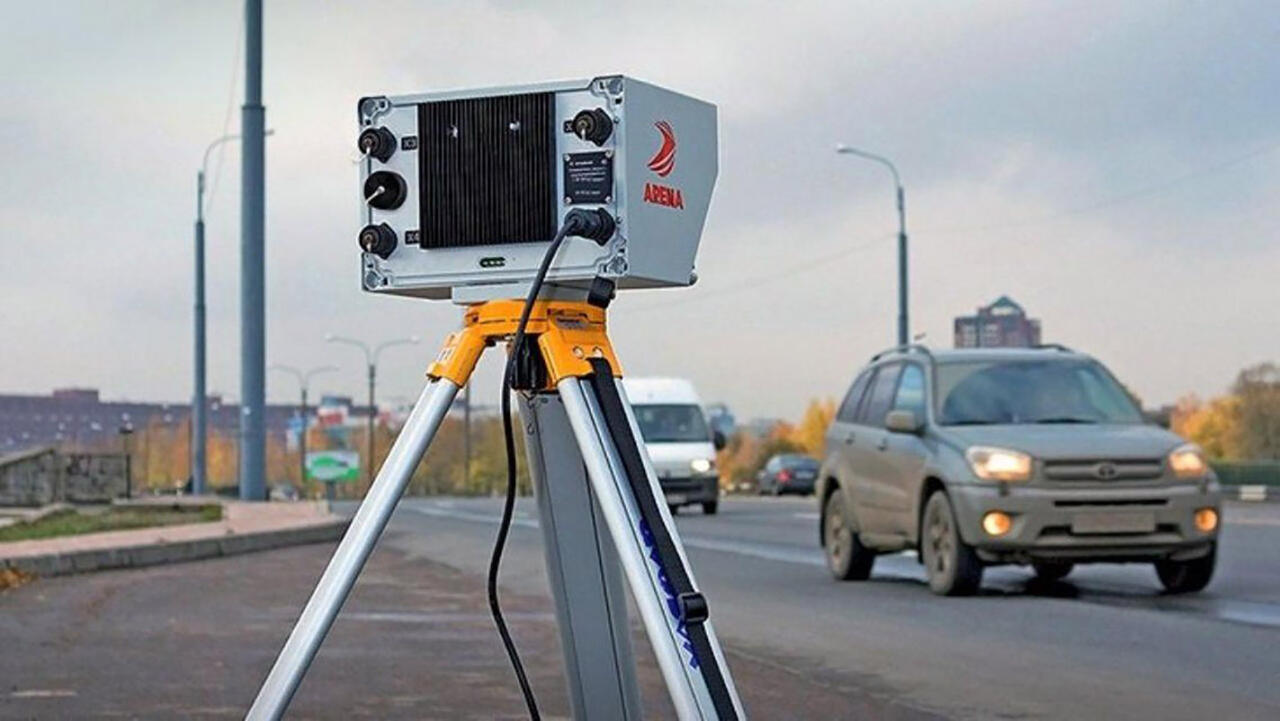
The original notice included an image of a roadside speed sensor installation which illustrates the type of equipment in use. Motorists can expect clear markings and active enforcement during the stated times. For updates or further information, local traffic authorities and municipal websites carry official announcements and maps of enforcement locations.
In summary, motorists travelling in the Brest region on 3 January should take note of the scheduled Belarus speed sensors and adjust their driving to the temporary limits to ensure safety and compliance.
Key Takeaways:
- Belarus speed sensors will operate across multiple sites in Brest region on 3 January to enhance road safety.
- Measures include 60 km/h and 90/70 km/h limits depending on vehicle type and location.
- Enforcement takes place at specific times on major routes including the M1/E30 and M-10, plus urban streets in Brest and Baranovichi.








