











Key Takeaways:
- Belarus has issued decree No.762 (24 December 2025) guaranteeing state support for two cement producers, with costs met from the republican budget.
- The measure covers interest payments only; principal debt will remain the companies’ responsibility.
- Outstanding loans include 12.5 million BYR for the Belarusian Cement Plant and about $27.856 million for Krichevcementnoshifer; this marks continued state backing.
- Belarus cement support aims to stabilise production and jobs amid sanctions and financial pressure.

Belarus government agrees to cover loan interest for two cement plants
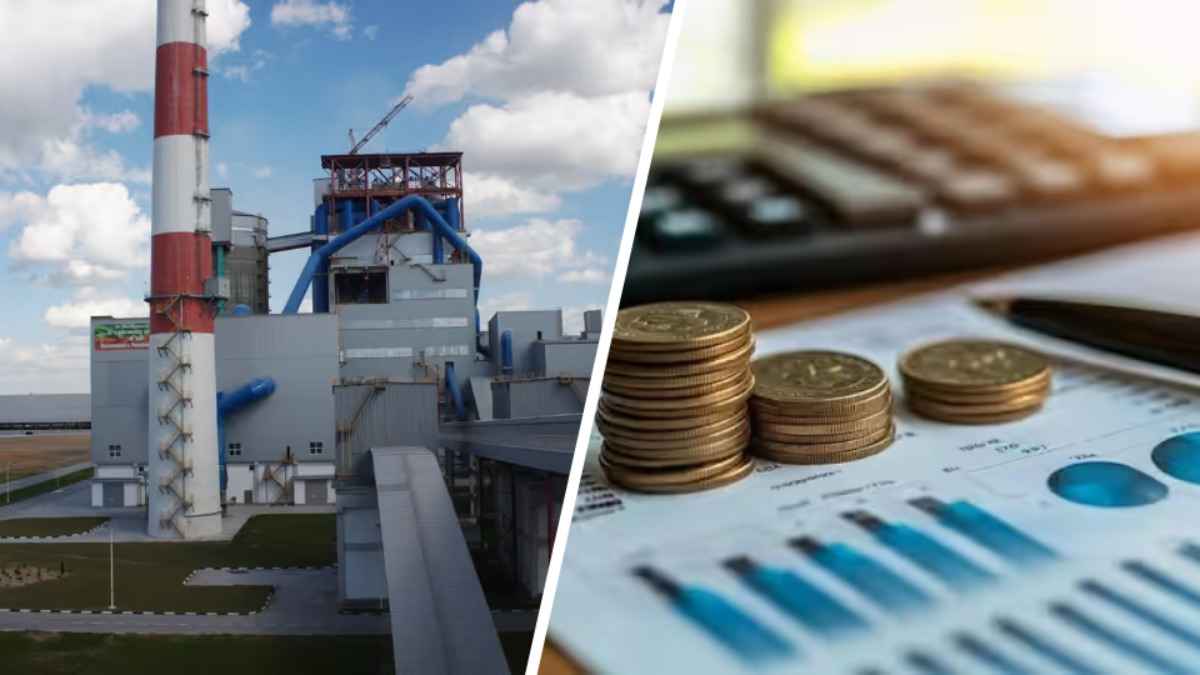
The Council of Ministers has approved a government decree to cover interest payments on loans taken by two Belarusian cement factories, providing temporary relief as the enterprises continue to shoulder their principal debts. The decision, signed by Prime Minister Alexander Turchin and issued as Decree No.762 on 24 December 2025, was published on the National Legal Internet Portal on 30 December.
The state will meet interest obligations from the republican budget under the expenditure item for “other issues in industry, construction and architecture.” The decree does not specify the exact sum to be transferred, stating only that any payments must remain within budgetary limits set for those purposes.
Belarus cement support and what the decree sets out
Under the measure the government will not repay the outstanding principal on the loans. Instead, it will cover part of the interest burden to reduce immediate financing costs for the firms. For the Belarusian Cement Plant interest is tied to the central bank refinancing rate. For Krichevcementnoshifer, whose loan is denominated in foreign currency, the government capped the interest contribution at no more than 7 per cent per year.
According to public records, the Belarusian Cement Plant originally received a credit of 35.4 million Belarusian roubles in 2011 and still has about 12.5 million roubles of principal to repay. Krichevcementnoshifer obtained roughly $27.8 million around the same time; the outstanding principal stood at $27.856 million as of 1 November 2025.
This is not the first time the state has intervened. The government adopted similar measures in 2024 and 2025, meaning the budget will effectively subsidise interest payments to these enterprises for at least a third consecutive year.
The move follows a challenging year for the sector. In the summer the Polish interior ministry added the management company of the Belarusian Cement Company (BCC) to its sanctions list, freezing assets and restricting cooperation. That decision has complicated access to foreign resources for the holding that includes both plants.
At the same time, BCC reported a production milestone for 2023: the company said Belarus produced more than 5 million tonnes of cement for the first time in the country’s history. Government support for interest payments may be designed to preserve that industrial output and safeguard employment while firms adapt to sanctions and market pressures.
Implications for industry and public finances
Analysts say targeted interest support can stabilise firms facing liquidity stress and reduce the risk of defaults that could ripple through the banking sector. However, repeated budgetary interventions also create fiscal exposure and potential moral hazard if state backing becomes expected. The split between interest relief and preservation of principal obligations signals an attempt to balance immediate relief with continued commercial accountability.
For export-oriented or foreign-currency indebted firms such as Krichevcementnoshifer the capped contribution of up to 7 per cent may not fully offset exchange rate and refinancing risks. The government has limited the policy to available budgetary lines, leaving scope for further decisions depending on the firms’ financial trajectories and broader economic conditions.
For now, the decree guarantees a degree of predictability for two leading producers in the Belarusian cement sector as they navigate sanctions, debt service and the challenge of sustaining recent production gains.








