











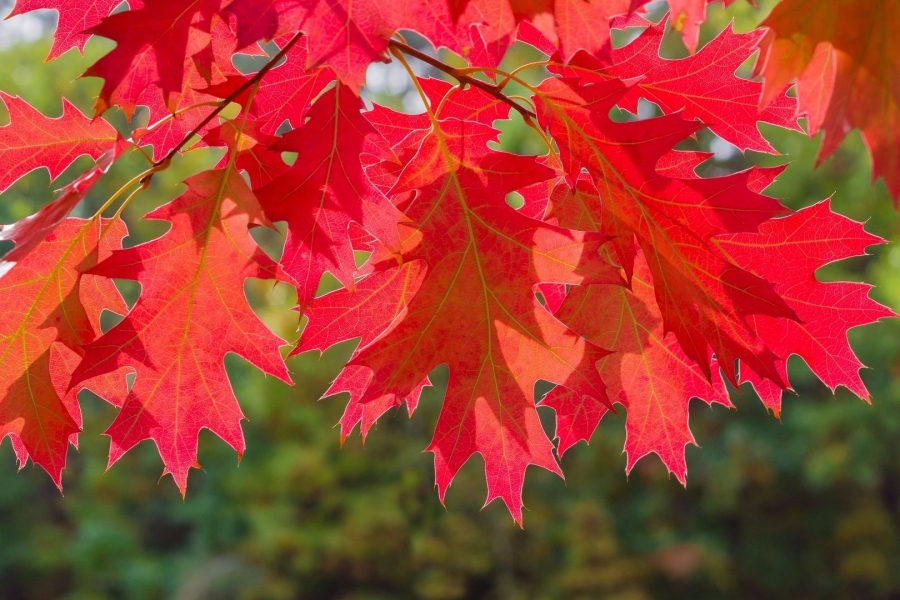
Belarus has begun a concerted effort to curb invasive tree and plant species in the Bialowieza Forest, one of Europe’s most significant old-growth woodlands. Forest managers say the red oak, introduced from North America in the late 19th century, now poses a major threat to native oak species and the wider deciduous canopy because of its fast growth, prolific seed production and resistance to local pests.
Bialowieza Forest invasive species
Alongside the red oak, officials have identified three other invaders that require active management: the box elder maple (Acer negundo), black locust (Robinia pseudoacacia) and Canadian goldenrod (Solidago canadensis). Each species undermines native communities in a different way. Canadian goldenrod forms dense stands that suppress understorey plants. The box elder releases allelopathic compounds that reduce seedling establishment of other species. The black locust fixes nitrogen, changing soil chemistry and disadvantaging plants adapted to low-nutrient conditions.
Local conservationists describe the campaign as essential to preserving the forest’s ecological integrity. “Left unchecked, these species will shift the composition of the forest and reduce biodiversity,” said a senior forest ecologist involved in the project. “We are focusing on targeted removal and long-term monitoring so native species can recover.”

Management measures combine mechanical removal, selective cutting and repeated follow-up where seed banks and resprouting present a risk. In places where goldenrod has established thick carpets, teams are using a mix of cutting and carefully timed treatments to reduce regrowth without harming native flora. For trees such as red oak and black locust, removal of young stands and preventing seedling establishment are a priority.
Experts stress that action must be sustained. Invasive plants often spread rapidly when disturbances open the canopy or when seed sources remain nearby. Consequently, the programme pairs removal work with restoration actions, planting native oak and other deciduous species suited to local conditions. This approach aims to prevent reinvasion and to encourage natural regeneration.
The Bialowieza Forest has both ecological and cultural importance across the region. Parts of the woodland are protected within national parks and a transboundary UNESCO site shared with Poland. Because of the forest’s significance, the initiative has drawn interest from conservation groups and researchers studying invasive species management in temperate forests.
Authorities say public awareness and cooperation with neighbouring landowners are critical. Garden and park plantings can act as sources of seeds and propagules. Officials are therefore advising landowners to avoid planting known invasive species and to report sightings that may indicate new outbreaks.
While the challenge is substantial, early intervention offers the best prospects for success. The current measures are designed to reduce the immediate impacts of invasive stands and to set the conditions for long-term recovery of native habitats. Continued monitoring and adaptive management will determine how quickly native oak and other species can re-establish across affected areas of the forest.
Conservationists remain cautiously optimistic. If sustained, the campaign in Belarus could serve as a model for other countries facing similar invasions, demonstrating how targeted control and restoration can protect valuable woodland ecosystems.
Key Takeaways:
- Belarusian authorities and forest managers launch measures to control invasive species in Bialowieza Forest, including red oak, box elder maple, black locust and Canadian goldenrod.
- Rapid growth and prolific seeding make the red oak a particular threat, replacing native oaks and other deciduous trees.
- Efforts aim to protect native biodiversity and restore ecological balance in one of Europe’s last primeval woodlands.








