











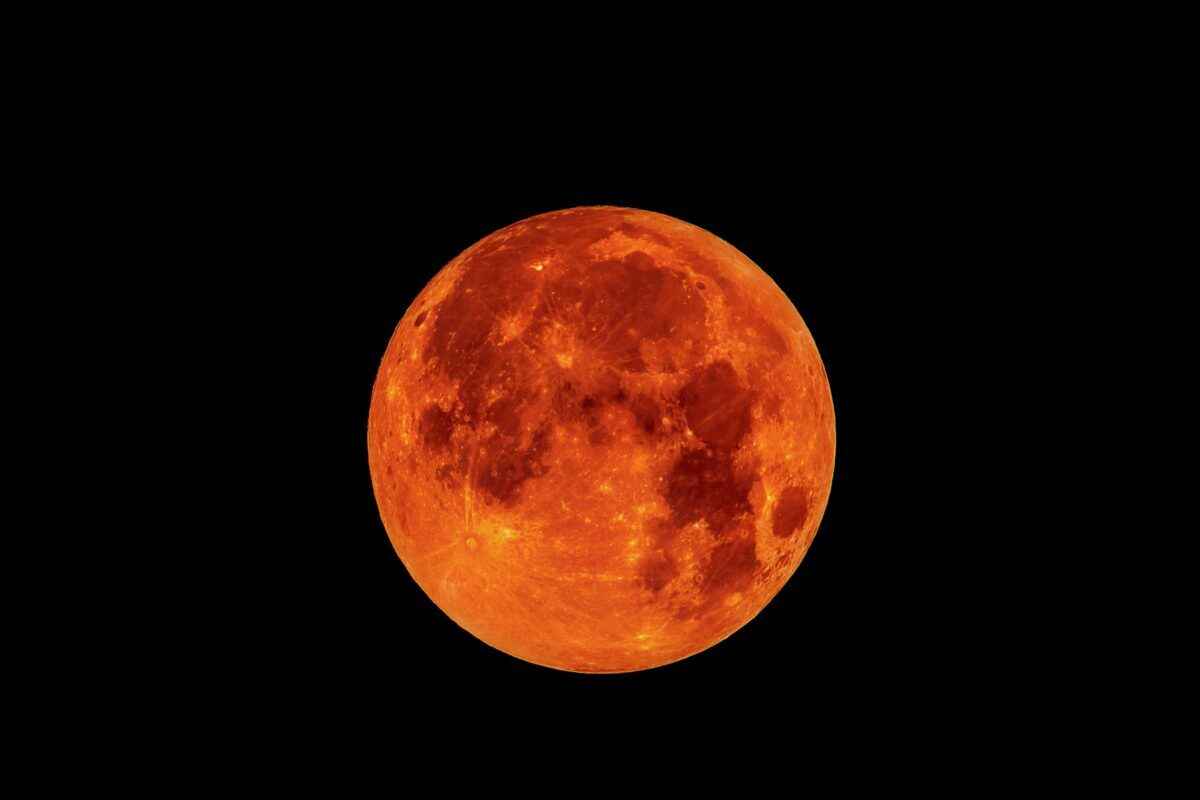
Residents across Belarus are being urged to look skyward as the first supermoon of the year, commonly known as the Wolf Moon, arrives on 3 January. Astronomers say the Moon will appear noticeably larger and brighter than usual because it will be near perigee, the point in its orbit closest to Earth.
Belarus Wolf Moon viewing details
On the night in question the Moon is expected to look around 14% larger in diameter and roughly 30% brighter than on a typical full moon. While the average distance between Earth and the Moon is approximately 384,400 km, during this event the satellite will be some 50,000 km closer, increasing its apparent size and luminance.
Official timings place the start of the supermoon at 12:03 on 3 January Minsk time. Although that moment occurs at midday, the visual impact will be most apparent after sunset when the full face of the Moon is visible. Observers do not need telescopes or binoculars to enjoy the spectacle; the phenomenon is easy to see with the naked eye from most locations, provided the sky is clear.

Watching from Belarus and weather outlook
The Belarusian State Hydrometeorological Centre (Belhydromet) has forecast cloud cover for both 3 and 4 January, noting that cloudiness is likely to be greater during daylight hours. The centre’s update leaves open a reasonable chance of clear spells at night, particularly if local conditions favour breaks in cloud. Anyone planning to watch the event should check local forecasts close to the time and choose a site with as little light pollution and cloud cover as possible.
Urban viewers concerned about skyline glow can consider travelling a short distance to darker suburbs or parks. Because the Moon will be brighter than usual, it may cast sharper shadows and make lunar features easier to discern without optical aid.
Why it is called the Wolf Moon
The name Wolf Moon has roots in the folklore of North American Indigenous peoples, particularly Algonquian-speaking nations. They named the full moon of January the Wolf Moon because winter food shortages often pushed wolves closer to human settlements and their howls were a frequent sound in the long nights. The traditional name has endured into modern astronomical calendars and popular usage.
For photographers, the supermoon provides an opportunity to capture striking lunar portraits against familiar landmarks. Basic camera techniques—using a long lens, a steady tripod and manual exposure—will help create sharp images. However, even casual observers can appreciate the enhanced presence of the Moon without specialised gear.
Whether you intend to photograph the event or simply enjoy it from your window, the Wolf Moon on 3 January promises a memorable lunar display for residents of Belarus, weather permitting.
Key Takeaways:
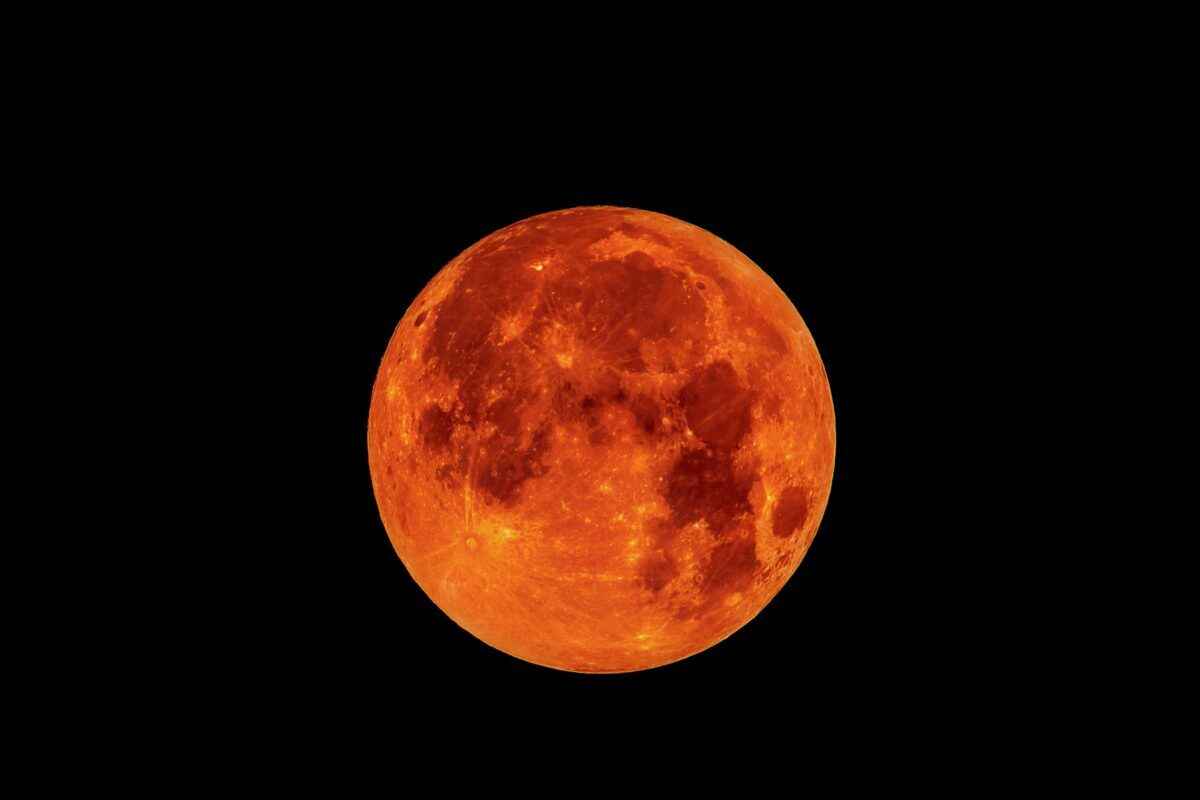
- The Belarus Wolf Moon will appear about 14% larger and 30% brighter than usual on the night of 3 January.
- The supermoon begins at 12:03 BST (Minsk time) and will be roughly 50,000 km closer to Earth than average.
- No special equipment is required to observe the event, but cloud cover forecast by Belhydromet may limit visibility.








