











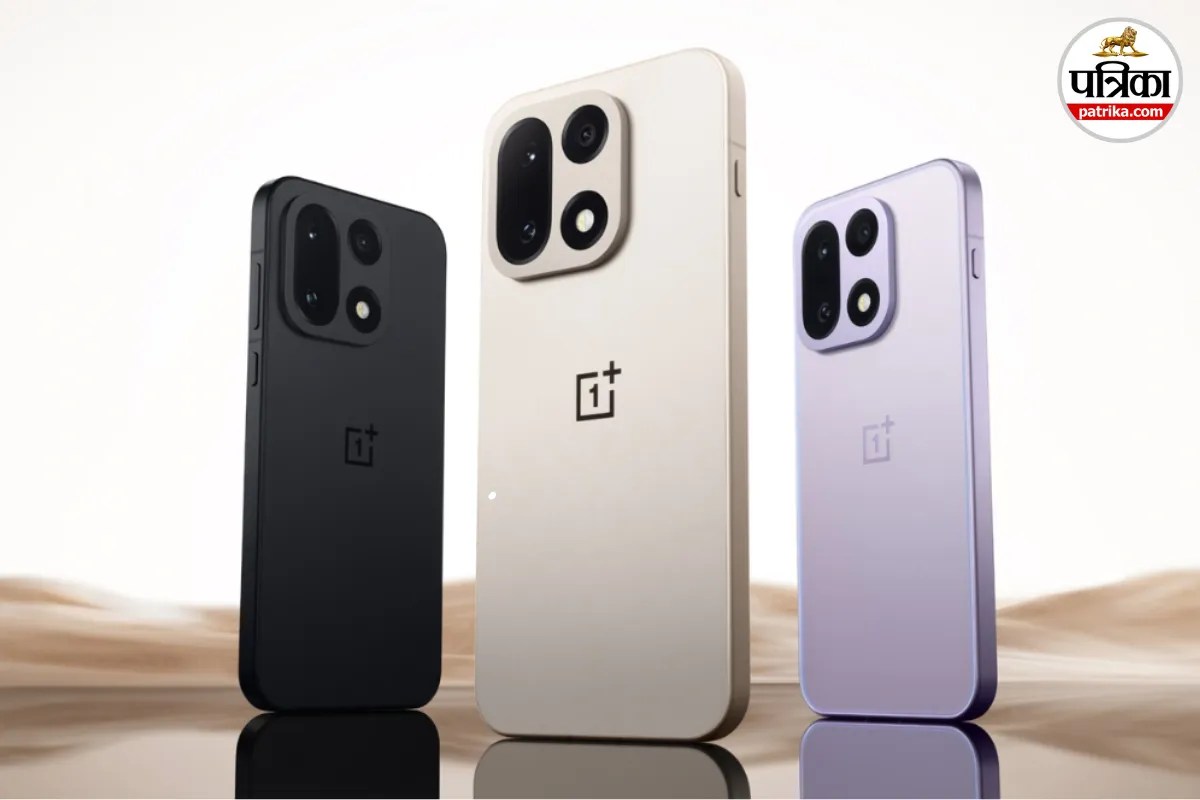
Smartphone camera technology has reached a point where several flagship models now promise results that approach DSLR quality. As 2026 begins, claims that only an iPhone can produce the best photos no longer hold the same weight. Indian consumers are seeing an expanding choice of handsets that combine large sensors, superior optics and advanced computational photography to deliver impressive stills.
Best Camera Phone 2026 — What sets these handsets apart
Manufacturers have focused on three pillars to close the gap with dedicated cameras: sensor size and image processing, multi‑lens systems including periscope zoom, and software that refines raw captures. Companies such as Samsung and Google continue to optimise hardware and software together, while Chinese brands including Xiaomi and Huawei push sensor innovation and optical engineering. Several reviewers and industry analysts are singling out five recent flagships that consistently produce sharp, well‑exposed images across a variety of lighting conditions.
These phones typically pair larger primary sensors with improved pixel binning, which boosts low‑light performance without compromising detail. Optical image stabilisation combined with sensor‑shift mechanisms reduces blur for handheld shots, a key advantage when attempting DSLR‑style results. At the same time, periscope telephoto modules now deliver convincing long‑range shots without the extreme bulk once associated with high‑quality zoom optics.

How software changes the picture
Beyond hardware, computational photography remains a decisive factor. Night modes, multi‑frame stacking and AI‑assisted noise reduction produce cleaner images from challenging scenes. Portrait modes have matured to render natural skin tones and credible depth separation, while high dynamic range processing ensures detail in both highlights and shadows. For many users, the combined effect means fewer missed moments and reduced need for manual editing.
Apple’s iPhone 17 continues to be a benchmark thanks to consistent colour science and reliable processing, but the competition has narrowed. Android flagships now offer comparable dynamic range and detail, while also providing flexibility such as higher‑resolution sensors and more aggressive optical zoom on some models. For photographers who prioritise camera features above ecosystem, this competition is good news.
What this means for buyers in India
Price and ecosystem remain important factors. While iPhones retain resale value and a seamless user experience for many, buyers in India can now consider alternatives that deliver excellent camera performance at different price points. For travel, wildlife or event photography where zoom and battery life matter, certain Android flagships may be the better fit. For everyday social media and quick editing, many mid‑ to high‑end phones now match the quality expected from dedicated cameras.
Ultimately, the Best Camera Phone 2026 will depend on each user’s priorities: raw image quality, zoom capability, low‑light performance or ease of use. The broader point is that competition has intensified, giving consumers more choice. As manufacturers continue to refine sensors and processing, the line between a high‑end smartphone and a DSLR keeps narrowing.
Key Takeaways:
- Best Camera Phone 2026 trends show non‑Apple handsets matching DSLR‑style results.
- Leading models from Samsung, Google, Xiaomi, Huawei and OnePlus use larger sensors and advanced computational photography.
- Consumers in India now have multiple alternatives to iPhone 17 for high‑quality mobile photography.








