











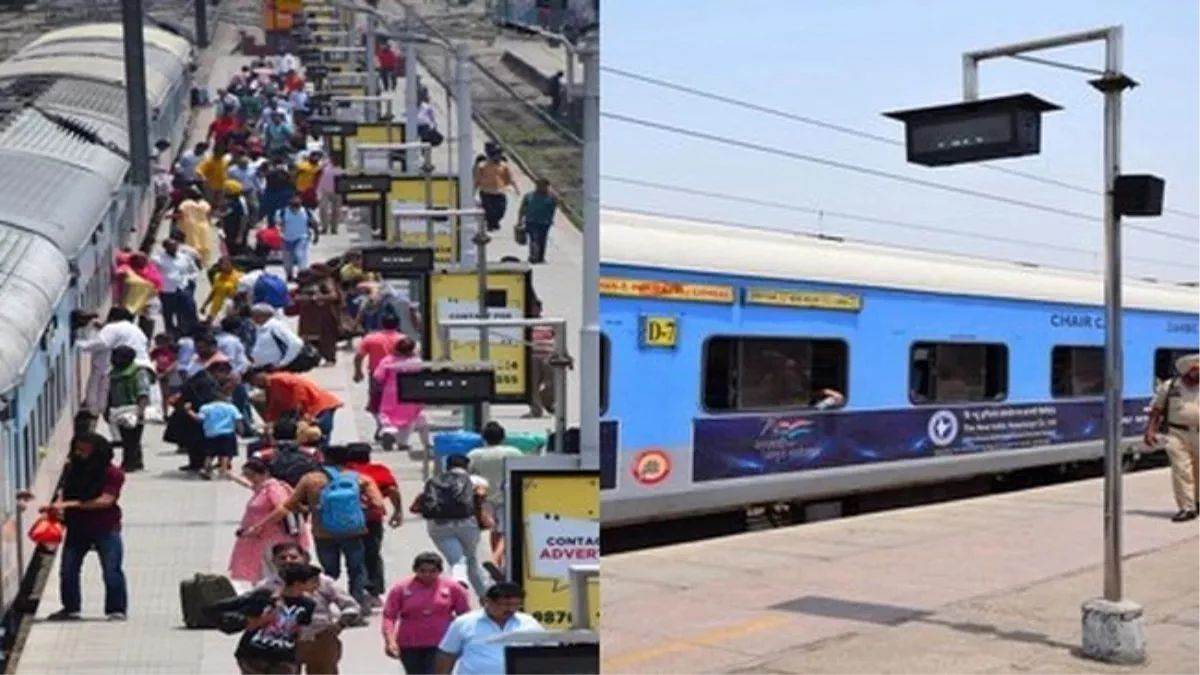
Indian Railways has unveiled a comprehensive masterplan to reduce congestion at Bhopal railway station and improve train punctuality across the region. The scheme seeks to redistribute traffic, upgrade infrastructure and enhance passenger facilities so that services run more reliably and commuters face less delay.
Bhopal station masterplan details and timelines
The Bhopal station masterplan focuses on three core strands: capacity expansion, operational improvements and passenger amenities. Authorities will add and extend platforms where space permits, modernise signalling systems to allow tighter train sequencing, and reorganise platform assignments to separate long-distance and suburban services. Work is planned in phases to limit disruption, with priority given to measures that will deliver quick gains in punctuality.
Railway officials say selective rerouting of some services to nearby stations will be used to ease pressure on the central terminus. This will include scheduling changes and improved local connections, such as shuttle services and feeder buses, so passengers can reach alternate stations with minimal inconvenience. Short-term works, including platform resurfacing and improved signage, are scheduled to begin immediately. More complex engineering tasks, such as track realignment and signalling overhauls, will follow in subsequent phases.

Expected benefits for commuters and the city
Once implemented, the plan is expected to reduce dwell times and minimise cascading delays that often affect subsequent services. Faster turnaround and clearer platform allocations should increase on-time performance, while additional passenger facilities will reduce crowding during peak hours. The measures also aim to improve safety by reducing the instances of passengers rushing between platforms.
Economic benefits are likely to follow. Reliable rail services support local commerce, make daily commutes more predictable and can make the city more attractive for visitors and investors. Better connectivity to satellite stations will spread passenger flows more evenly, easing traffic congestion around the main station and improving access for suburban neighbourhoods.
Execution and community engagement
The railway authority has underlined the importance of coordination with state and municipal agencies. Traffic management plans will be drawn up in consultation with the city administration to manage road access and last-mile connectivity during construction phases. Community outreach will inform residents and regular travellers about temporary changes to services and the expected timeline for works.
Officials also plan to monitor performance closely after each phase. Metrics such as train punctuality, platform occupancy rates and passenger feedback will guide adjustments. This data-driven approach is intended to ensure that interventions deliver tangible improvements and that resources are allocated where they produce the greatest benefit.
For travellers, the immediate impact should be fewer delays and a smoother station experience as short-term upgrades come into effect. In the medium term, the full roll-out of the Bhopal station masterplan is designed to create a more resilient rail hub, capable of handling growing passenger numbers while keeping services punctual and reliable.
Key Takeaways:
- Indian Railways unveils a masterplan to reduce load at Bhopal station and improve punctuality.
- Upgrades include new platforms, better signalling and diverted services to satellite stations.
- The Bhopal station masterplan aims to enhance passenger experience and boost regional connectivity.








