











Key Takeaways:
- Bihar has energised the first phase of the Kajra Solar Project in Lakhisarai, commissioning 185 MW of solar capacity with a 254 MWh battery system.
- The first phase cost Rs 1,810 crore; the second phase will add 116 MW and 241 MWh at Rs 1,055 crore, taking totals to 301 MW and 495 MWh.
- Transmission infrastructure has been energised to enable power evacuation and the battery system can supply 4–5 hours of peak power.
- The project is scheduled for full commissioning by January 2027, strengthening Bihar’s clean energy mix and grid stability.

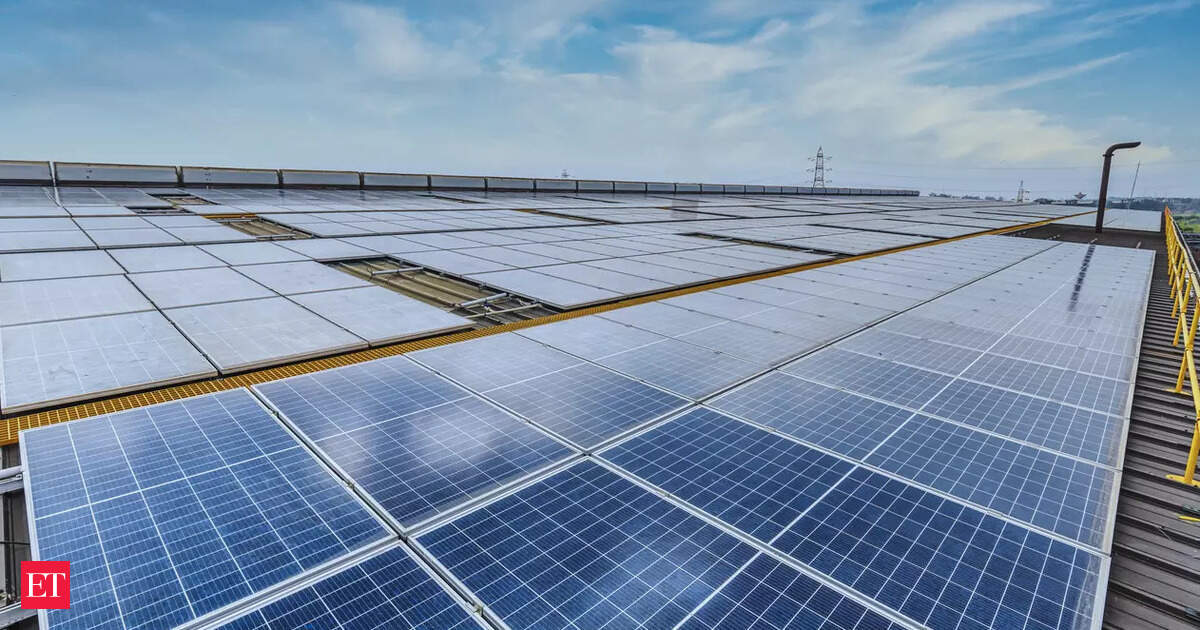
Bihar has commissioned the first phase of the Kajra Solar Project in Lakhisarai district, marking a significant step in the state’s transition to cleaner energy. The project’s initial stage comprises a 185 megawatt (MW) solar plant paired with a 254 megawatt‑hour (MWh) battery energy storage system. Authorities said transmission lines and a transformer facility have been energised to ensure timely power evacuation.
Kajra Solar Project boosts Bihar’s clean energy capacity
According to Bihar Energy Secretary Manoj Kumar Singh, who also serves as Chairman and Managing Director of Bihar State Power Holding Company Ltd, the battery system will allow the plant to supply uninterrupted electricity for four to five hours during peak demand. The first phase was completed at an estimated cost of Rs 1,810 crore.
The second phase of the Kajra Solar Project will add 116 MW of solar generation and a further 241 MWh of storage, at an estimated cost of Rs 1,055 crore. When both phases are complete, the plant’s total generation capacity will reach 301 MW and the battery energy storage system will total 495 MWh. The department aims to commission the entire project by January 2027.
The commissioning of the first phase addresses two priorities for Bihar’s power sector: increasing the share of renewable generation and improving the reliability of supply during peak hours. Battery storage systems are now widely regarded as a practical solution to the intermittency of solar power, enabling output to be shifted into evening peaks and supporting grid stability.
Local officials expect the project to generate employment during construction and operation, while reducing dependence on fossil fuel‑fired power. The energised transmission infrastructure will enable the plant to feed electricity into the regional grid and support distribution networks across the state.
At a broader level, the Kajra development aligns with national and international efforts to expand renewable capacity and modernise power systems. Large-scale solar projects combined with battery storage are increasingly central to meeting climate targets and improving energy security.
Project proponents say the Kajra Solar Project will provide a template for future renewable developments in Bihar and neighbouring states. By pairing solar generation with substantial storage, operators can smooth output and offer firm capacity during peak hours, which helps utilities manage demand without resorting to costly peak fossil fuel plants.
Officials have not released a detailed timeline for commissioning of individual components in the second phase, but reaffirmed the target date of January 2027 for full project completion. The state has also highlighted the potential for further investments in clean energy infrastructure as part of broader economic and industrial development plans.
The commissioning at Kajra underscores a steady shift in India’s power sector towards renewables and storage technologies. For Bihar, the project offers an immediate increase in clean capacity and a longer‑term contribution to grid resilience, local employment and reduced carbon intensity of power supply.








