











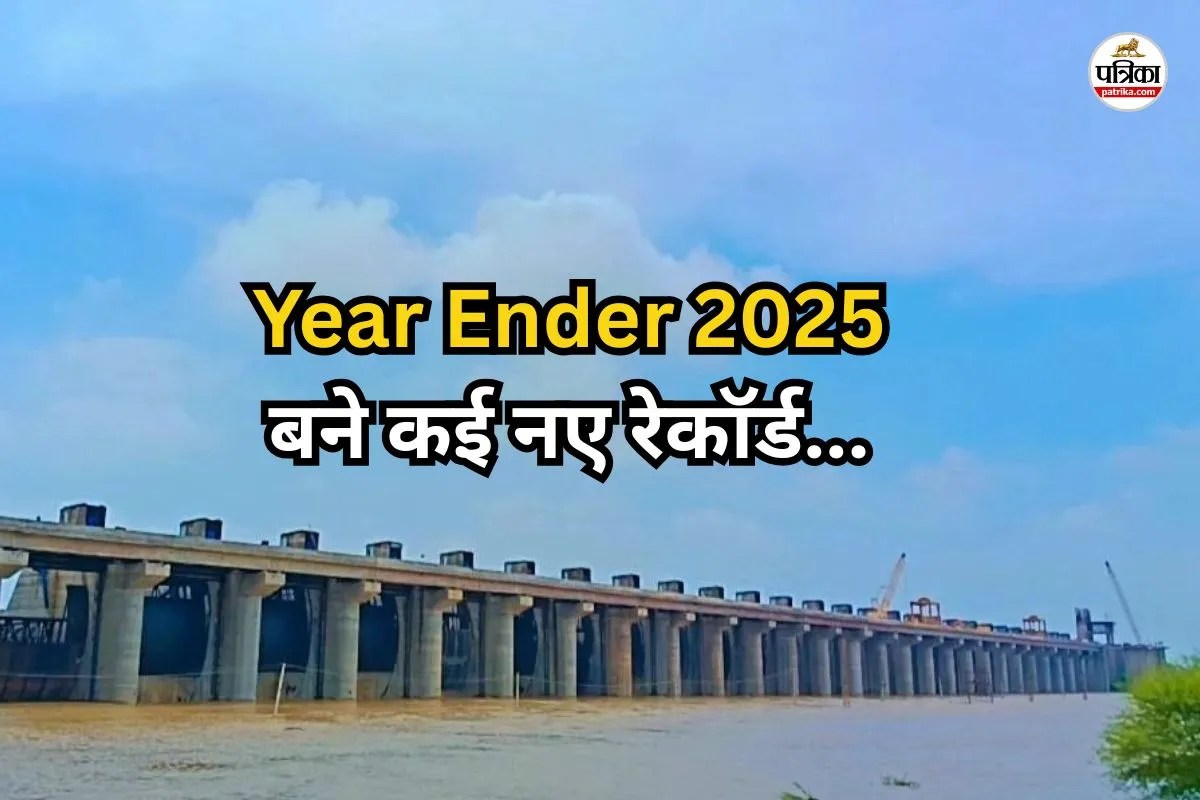
Record monsoon rains in 2025 filled the Bisalpur reservoir to historic levels, providing critical relief to Tonk district and neighbouring areas that had faced prolonged concerns over drinking water. The unexpected inflow removed immediate supply anxieties and allowed local authorities to plan for more stable water distribution as the region prepares for 2026.
Bisalpur dam water relief Tonk signals improved water security
Local officials said the Bisalpur dam’s high storage will ease pressure on the rural and urban supply networks that were stretched in previous years. Water released from the reservoir is expected to reach downstream canals and treatment plants, offering breathing space for municipalities and farmers alike. The reservoir’s replenishment also gives planners the chance to prioritise long-term storage and distribution improvements rather than short-term emergency measures.
Authorities reported that timely maintenance and coordinated release schedules minimised flood risk while ensuring distribution where demand is greatest. Water department sources added that enhanced telemetry and monitoring installed earlier in the year allowed faster responses to shifting inflow patterns during the monsoon season.

Alongside hydrological good news, 2025 delivered a number of development initiatives across Tonk district. Roads and public works projects saw investment and completion in several blocks, improving connectivity and access to services. Health and education programmes expanded in rural areas, and schemes to support agricultural productivity were intensified following the better water outlook.
However, the year also brought sorrow. A serious accident on the Banas river caused significant loss for some families, leaving a community in mourning. Local administrations and civil society groups mobilised quickly to support the affected households and to review safety measures along riverine areas. Emergency response teams emphasised the need for improved signage, early-warning procedures and community awareness campaigns to reduce such incidents in future.
Residents interviewed in markets and at public meetings described mixed emotions as the new year approaches. For many, the relief from water shortages is tangible in daily life—wells and municipal taps have become more reliable—but memories of the tragedies remain raw. Common sentiment is one of cautious hope, with people urging sustained implementation of development projects and continued focus on safety and resilience.
Looking ahead to 2026, district officials have outlined priorities that mix short-term recovery with longer-term resilience. Planned measures include strengthening water distribution networks, expanding water treatment capacity, upgrading roads that connect remote habitations and intensifying disaster-preparedness efforts along rivers and flood plains. Officials said funding allocations for these projects will be pursued in the coming budget cycle.
The community response will be central to delivering those plans. Local leaders are calling for public consultations to ensure infrastructure projects meet on-the-ground needs and for improved training of first responders. If the current momentum is maintained, Tonk could translate this year’s mixed record into a stronger foundation for growth and safety in 2026.
For now, the sight of a full Bisalpur reservoir stands as a practical reminder that nature’s abundance, paired with careful management, can ease longstanding pressures. The hope among Tonk’s residents is that the new year will bring more steady progress and fewer tragedies.
Key Takeaways:
- Bisalpur dam water relief Tonk after a record monsoon eased drinking-water concerns across several districts.
- Development projects and government measures in 2025 delivered benefits, even as local accidents such as the Banas incident caused deep grief.
- Officials and residents express cautious optimism that 2026 will bring renewed prosperity and better services.








