











Key Takeaways:
- Popular Iranian series Bitter Coffee features a memorable scene that highlights the dangers of ill-gotten wealth.
- The scene, directed by Mehran Modiri, mixes humour with a moral warning that resonated widely with viewers.
- Bitter Coffee memorable scene has continued relevance for debates on social justice and the ethical use of wealth.

Bitter Coffee Delivers Stark Warning on Ill-Gotten Wealth
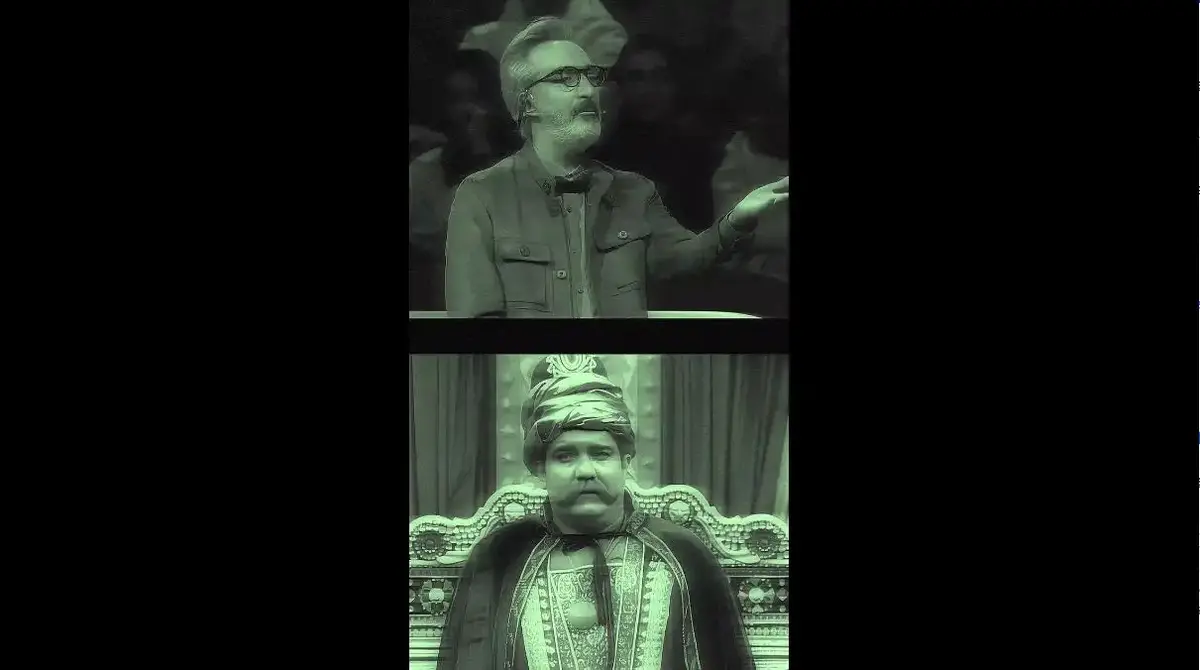
The Iranian comedy series Bitter Coffee, directed by Mehran Modiri, remains a touchstone of popular culture for its blend of humour and moral reflection. One scene in particular has stuck with audiences: a compact, memorable exchange that warns of the dangers tied to wealth obtained by force or injustice.
Bitter Coffee memorable scene warns about ill-gotten wealth
Broadcast at the height of the show’s popularity, the scene uses satire to make a plain ethical point. In a typically comic set-up, characters confront the consequences of possessing property or money taken through coercion or deceit. The dialogue does not simply aim for a laugh; it offers a clear warning to viewers about the long-term social and personal costs of holding onto unjust gains.
Mehrān Modiri, the series’ director, has long combined comedy with social commentary. Bitter Coffee exemplifies his approach: scenes that amuse but also provoke thought about everyday behaviour and communal values. The memorable scene about ill-gotten wealth is a concise moral lesson wrapped in familiar, accessible humour, which helped it reach a wide audience across different age groups.
Audiences responded because the warning felt rooted in lived experience. For many viewers, the exchange captured anxieties about corruption, inequality and the quiet ways injustice can spread through communities. By presenting the message inside a comedy format, the show lowered barriers to discussion and allowed people to reflect on difficult themes without feeling lectured.
Television comedy has frequently served as a forum for social critique, and Bitter Coffee is a clear example of that tradition. The scene operates on two levels: as a memorable moment of television comedy and as a moral parable. It works as entertainment first, then remains in the mind as a prompt to consider ethics surrounding money and property.
Commentators have noted how such moments can influence public conversation. While a single scene will not resolve systemic problems, it can shape attitudes and keep ethical questions in public view. In contexts where debates about fairness and ownership are heated, a widely viewed piece of popular culture can help sustain civic attention.
For viewers who remember the exchange, the message is straightforward: wealth taken by force or dishonesty carries consequences beyond immediate gain. Whether the consequences are legal, social or psychological, the scene suggests that ill-gotten wealth corrodes more than the pockets of the few; it frays trust and damages communities.
More than a decade after its original run, Bitter Coffee’s memorable lines still circulate online and in conversation. That persistence speaks to the effectiveness of combining comic timing with moral clarity. The scene remains a useful reference for those discussing ethical behaviour in both private life and public affairs.
Ultimately, the series demonstrates how humour can serve ethical reflection. By making audiences laugh and then think, Bitter Coffee turns a brief television moment into a lasting reminder: beware of riches won by force or unfair means, because their cost may far outweigh their benefits.








