











Key Takeaways:
- Civil society groups urged the Supreme Court to rule on ARE 1501674, pressing for the revision of the Amnesty Law to allow prosecution of dictatorship-era crimes.
- Organisations argue that crimes against humanity and permanent crimes, including forced removals of indigenous peoples, fall outside the scope of the Amnesty Law.
- New reports show just three of 49 truth-commission recommendations were fully implemented, underscoring delays in transitional justice.
- Supporters say the revision of the Amnesty Law is essential to strengthen Brazil’s democratic institutions and protect human rights.

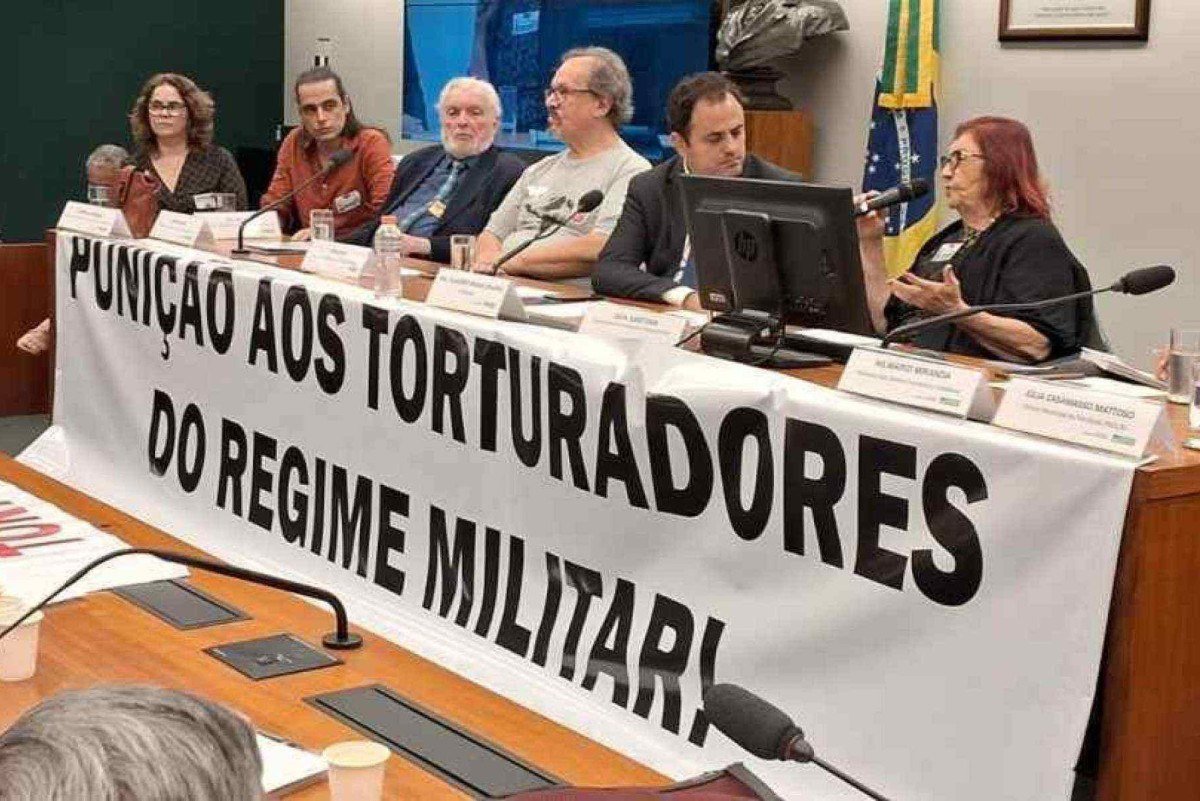
Brazilian civil society and judicial authorities are engaged in a renewed push to confront abuses from the military dictatorship after a year of intense political turbulence. On 18 December, Supreme Court Justice Flávio Dino held a joint hearing with leading human rights organisations, including the Instituto Vladimir Herzog, the Comissão Arns, Conectas and the Articulation of Brazil’s Indigenous Peoples (Apib), asking the court to prioritise a landmark case that challenges the scope of the country’s Amnesty Law.
Revision of the Amnesty Law: legal and political stakes
The contested appeal, ARE 1501674, concerns the prosecution of two former military officers accused of murder and concealment of bodies connected to the Guerrilha do Araguaia. The groups requested an urgent ruling, citing both the general relevance of the case and the advanced age of the accused. They contend the Amnesty Law does not cover crimes against humanity or ongoing violations and therefore should not bar criminal responsibility.
At the hearing, representatives stressed that failing to interpret or reform the Amnesty Law would perpetuate impunity and undermine the right to memory and truth. The Apib linked the debate to indigenous land rights, arguing the so-called Marco Temporal bill is rooted in removals that took place during the dictatorship and should be treated as continuing violations that cannot be amnestied.
Human rights groups also pointed to recent research as evidence of unfinished business. A Conectas report, prepared with the Human Rights Clinic at the Federal University of São Paulo, maps federal prosecutions related to dictatorship-era crimes and highlights delays that weaken transitional justice. The Instituto Vladimir Herzog’s monitoring of the National Truth Commission’s recommendations found that only three out of 49 suggestions were fully implemented, a shortfall the organisations say sustains patterns of abuse.
Those patterns, they argue, are visible today in cases of extrajudicial executions, enforced disappearances and frequent use of torture in prisons and marginalised territories. According to the organisations, racialised and peripheral communities remain disproportionately affected by state violence, demonstrating a continuity between past and present violations.
Legal experts before the court argued that classifying certain offences as impermissible under the Amnesty Law would align Brazil with international norms on crimes against humanity and the imprescriptibility of such crimes. Activists urged the creation of a National Indigenous Truth Commission to document forced removals and other abuses affecting indigenous peoples, and to ensure institutional reforms to prevent recurrence.
Supporters of revision present it not merely as retrospective justice but as a structural measure to consolidate democracy. They say clarifying the limits of the Amnesty Law and allowing prosecutions where warranted will signal a firm commitment to human rights and strengthen public institutions charged with protecting the rule of law.
As Brazil moves into a new political cycle, the court’s decision on ARE 1501674 and any subsequent legislative action on the Amnesty Law will be closely watched. For civil society, the stakes are high: a ruling that permits accountability could mark a decisive step towards addressing the legacy of the dictatorship and preventing the repetition of grave violations.








