











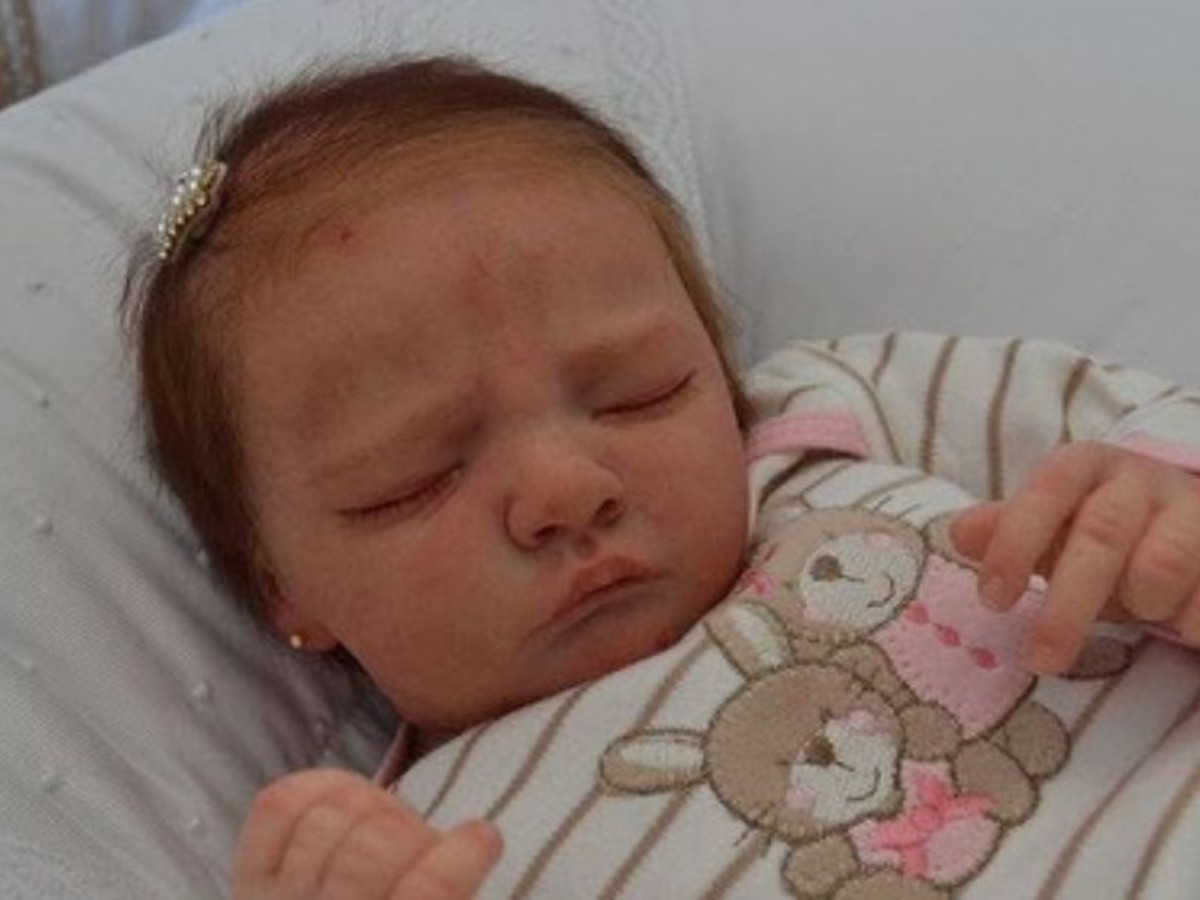
Alana, a Brazilian artisan who crafts highly realistic “reborn” dolls, has turned a niche hobby into a lucrative enterprise, selling some units for up to R$10,000 and reporting annual takings of roughly R$300,000 in 2025. Her shop and atelier, which closed briefly during the pandemic, reopened with an experiential approach that has captured public interest.
Reborn dolls business in Brazil draws collectors and curious visitors
The store’s “maternity of dolls” concept blends retail with a staged caregiving experience. Customers encounter heated cradles, realistic infant props and even simulated births designed to mimic early newborn routines. That experiential angle, unusual for a toy boutique, helped the brand stand out as footfall returned after COVID restrictions eased.
Demand for reborn dolls has expanded beyond traditional collectors to include parents, therapists and visitors seeking an immersive purchase experience. While prices vary, limited-edition pieces and custom commissions command the highest sums. Alana told local media that some bespoke reborn dolls sold for as much as R$10,000 apiece, reflecting the craftsmanship and detailed finishing that collectors value.

Operating an artisan business while raising triplets presents logistical challenges. Alana relies on family members and a nanny to manage childcare while she oversees production, fits appointments and runs the store. That support network proved crucial when the shop closed temporarily during the pandemic; it also helped her test a revamped concept intended to appeal to a wider audience.
Small creative businesses such as this one often face a steep recovery after lockdowns. In Alana’s case, re-opening with an experience-based model appears to have paid off. The combination of social media visibility and an unconventional in-store offering drove renewed interest and boosted sales. Reported earnings approaching R$300,000 suggest the venture has moved beyond hobbyist levels into a sustainable micro-enterprise.
Artisanal markets in Brazil have long supported local makers, and the reborn doll niche illustrates how craftspeople can capitalise on bespoke demand. Customisation, limited production runs and storytelling around the making process add perceived value, enabling higher price points. For shoppers seeking unique pieces, the authenticity and hand-finished details of each reborn doll matter as much as the novelty of the experience.
Industry experts and small-business advocates note that experience retailing can be an effective way for independent retailers to differentiate themselves from mass-market competitors. In-person events, demonstrations and interactive features encourage customers to spend more time in-store and increase the likelihood of higher-value purchases, which is particularly important for luxury or collector items like reborn dolls.
As interest in craftsmanship and personalised goods continues, makers like Alana may find further opportunities to expand through commissions, workshops or online sales. For now, her story stands as an example of how creativity, combined with a targeted retail strategy and family support, can sustain a specialised business in Brazil’s diverse artisan economy.
Key Takeaways:
- Alana, a Brazilian doll maker, reported selling reborn dolls for up to R$10,000 and earning around R$300,000 in 2025.
- The shop reopened after the pandemic with a distinctive “maternity of dolls” concept, featuring heated cradles and simulated births that attracted customers.
- Family support and childcare enabled Alana to balance running an atelier and store while raising triplets.








