











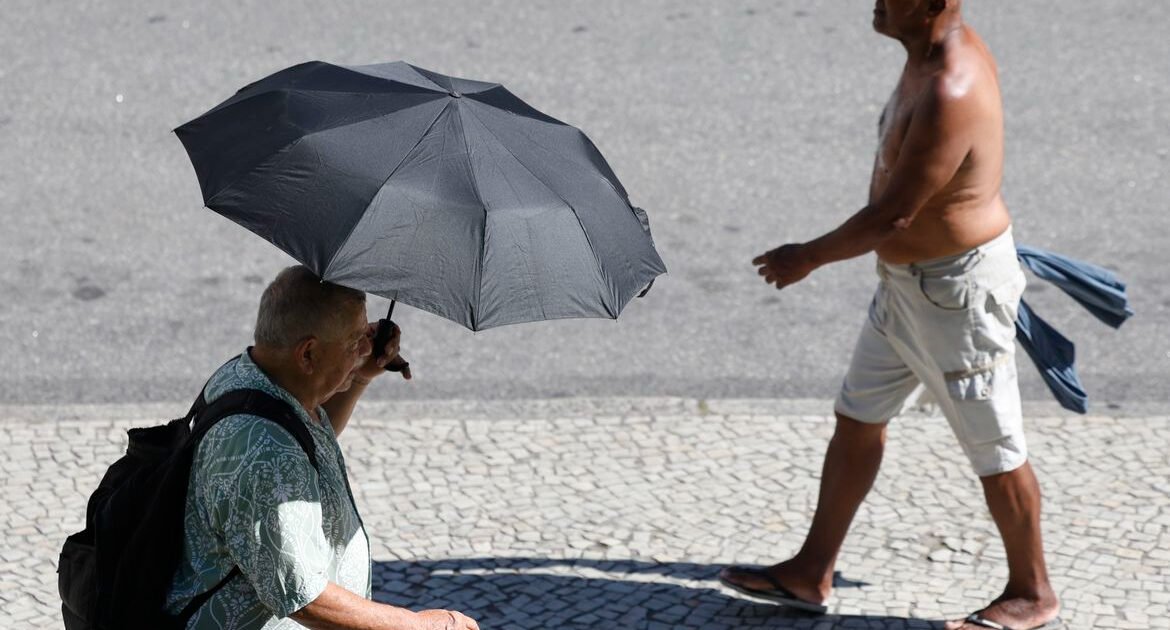
High temperatures across the state of Rio de Janeiro have put sustained pressure on the public emergency network, with 27 state-run Unidade de Pronto Atendimento (UPA) centres recording 2,624 attendances related to excessive heat exposure between 14 December 2025 and 2 January 2026, the State Health Secretariat (SES-RJ) reported.
Rio de Janeiro heatwave raises emergency attendances
The warning, issued by the Strategic Health Surveillance Information Centre to all 92 municipalities, highlighted a prolonged period of extreme heat that began before Christmas and continued into the new year. The busiest day was 26 December, when 193 patients sought care for heat-associated complaints. Other peaks were 21 December (192), 16 December (188), 30 December (180) and 31 December (134).
State authorities say UPAs maintain public hydration points year-round to reduce cases of dehydration and heatstroke. The SES-RJ urged teams to reinforce triage for symptoms such as headache, dizziness, nausea, hot dry skin, rapid pulse, elevated body temperature, confusion and dehydration, and to prioritise vulnerable groups including the elderly, children and outdoor workers.

“Our recommendation is that patients take oral rehydration solution home after initial treatment at UPAs, which serve as the first point of care for emergencies. There is a proven increase in cardiovascular problems during these periods, so special care is needed for older people and children,” said Claudia Mello, the state health secretary.
Of the total cases, the UPA in Botafogo saw the highest demand with 152 attendances, followed by Fonseca and Realengo (147 each), Ricardo de Albuquerque (143), Irajá (140) and Campo Grande (136). The top ten busiest units, which also included Copacabana, Marechal Hermes, Tijuca and Campos dos Goytacazes, together accounted for 1,344 attendances — more than half of the state total.
Symptoms most frequently reported were nausea (1,608 records), headache (1,555) and elevated body temperature (1,441). Health teams were instructed to begin oral rehydration immediately when signs are identified, with particular attention to ambulant sellers, construction workers, bus drivers and other workers exposed to prolonged sun.
The data appear on Monitora RJ, a platform that consolidates health surveillance dashboards and includes a specific system for monitoring heatwaves. The platform classifies heat risk on a four-level scale: no excess heat, mild, severe or extreme. In recent days, Monitora RJ has indicated a severe level for Rio de Janeiro and several other municipalities in the state.
Officials have urged residents to adopt simple precautions: remain hydrated, avoid going out during the hottest hours, seek shaded or air-conditioned spaces when possible and check on elderly relatives and neighbours. Local authorities are coordinating to keep hydration points and emergency services available as the region remains on alert.
Key Takeaways:
- Rio de Janeiro heatwave led to 2,624 emergency visits across 27 state UPAs between 14 Dec 2025 and 2 Jan 2026.
- Daily peaks included 193 cases on 26 Dec; ten busiest UPAs accounted for more than half of cases.
- Common symptoms were nausea, headache and raised body temperature; hydration points and oral rehydration advised.








