











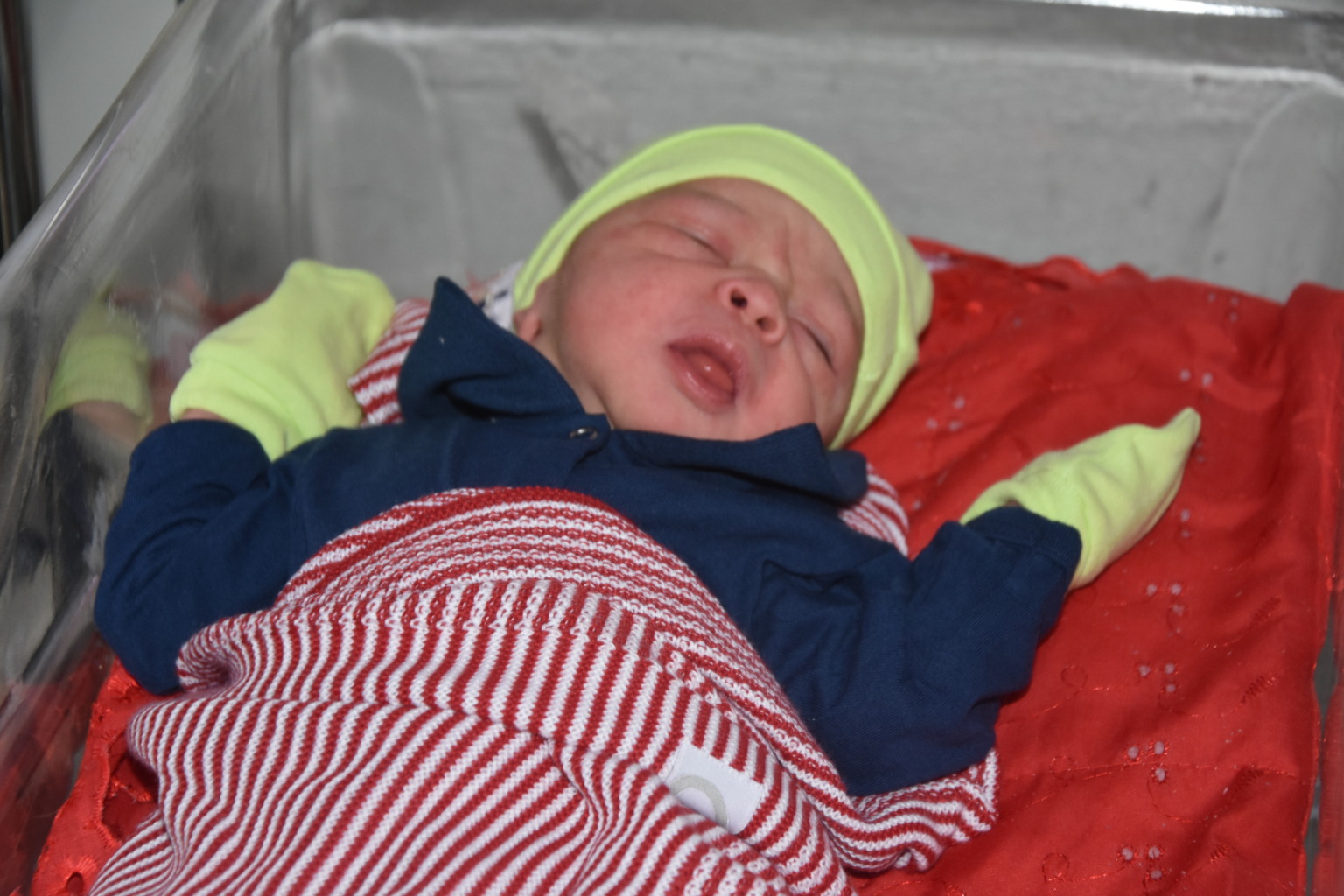
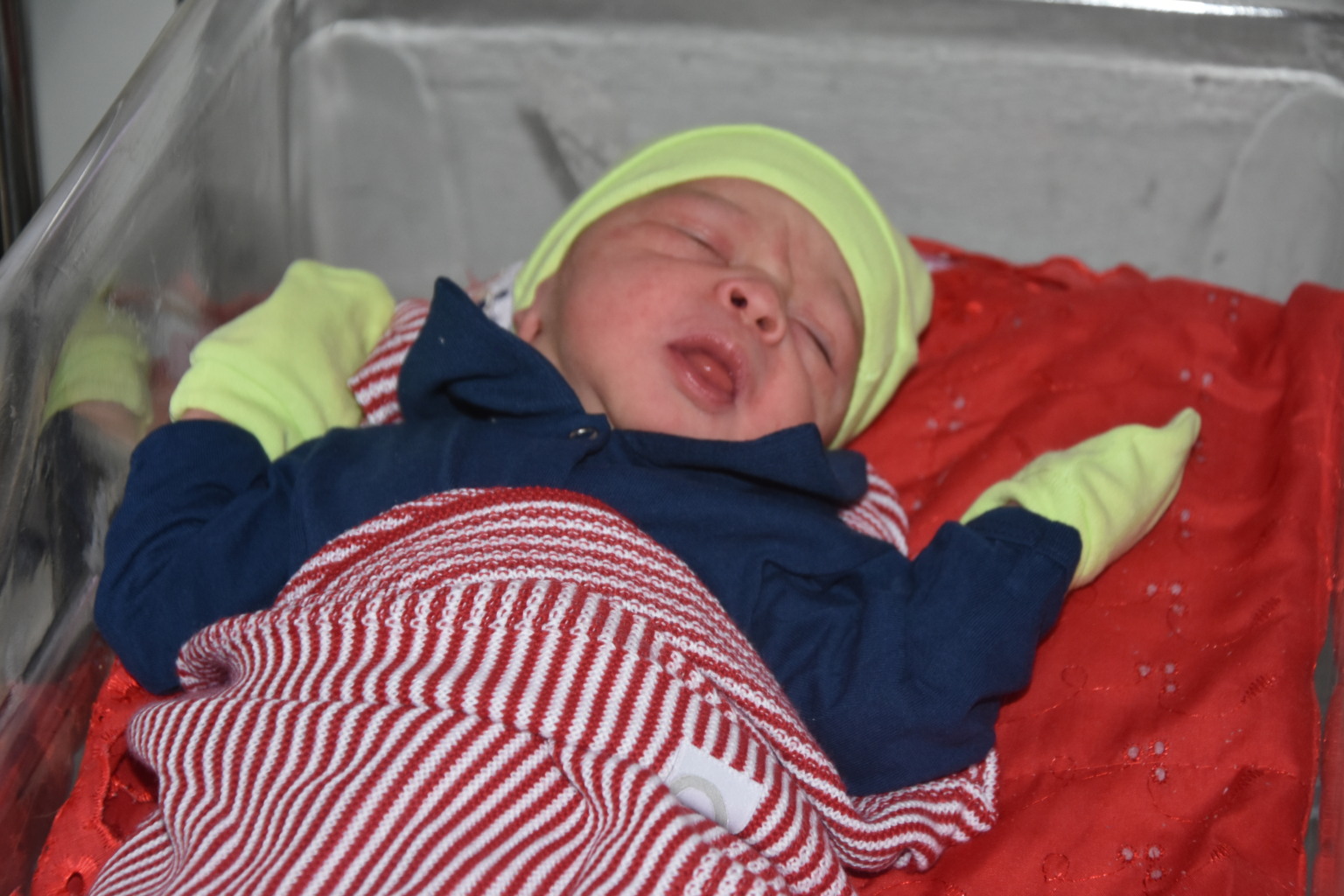
The first baby born in Tocantins in 2026 under Brazil’s public health system arrived just after midnight, hospital officials confirmed. Miguel Cardoso de Deus was delivered by caesarean section at 00:41 at Hospital e Maternidade Dona Regina Siqueira Campos in Palmas.
First baby born in Tocantins
Miguel is the second child of Jane Cleia Leitão, a resident of the state capital. Speaking after the birth, Jane said she felt an overwhelming sense of happiness. “It is a very big emotion, I cannot even explain the happiness of Miguel arriving in our life. Thank God he came healthy. It was scheduled for today but he arrived early so we had to come sooner,” she said.
Marcelo de Deus, the father, described the birth as the realisation of a long-held wish. He said the family hoped Miguel would grow up to be kind and of good character. “I have had a miracle with my health before and now the birth of my son,” he added.

The delivery at HMDR was carried out as part of services offered through the Sistema Único de Saúde, or SUS, Brazil’s public health network. Hospital staff confirmed that mother and baby were in stable condition following the procedure.
Births continued across the state during the morning, with regional hospitals recording several arrivals. At the Hospital Regional de Paraíso do Tocantins, Taliele de Sousa Carvalho gave birth to a daughter, Isadora Silva Carvalho, at 07:10 in a natural labour. Five minutes later, at the Hospital Regional de Augustinópolis, Gleisivania Araújo Carvalho delivered a son, Bryan Emanuel Carvalho Delgado, also by natural birth.
In the south of the state, at the Hospital Regional de Gurupi, Juliana Alves da Costa gave birth to Artur Alves da Silva at 11:59, completing a busy morning for maternity wards in Tocantins.
Officials said the morning’s births reflect the ongoing operation of public maternity services across Tocantins, which handle scheduled and unexpected deliveries alike. The state government frequently highlights such stories as examples of the reach of SUS in providing maternal and neonatal care outside Brazil’s larger urban centres.
Healthcare workers at these hospitals continue to monitor mothers and newborns closely in the hours and days following delivery. Routine checks include assessments of vital signs, feeding and bonding support, and guidance for postnatal care at home. Public health teams also advise parents on vaccination schedules and follow-up appointments.
As families welcome new members, local authorities and hospital staff stress the importance of accessible maternity services. For many parents in Tocantins, public hospitals remain the primary source of care during pregnancy and childbirth. The morning’s births, led by Miguel’s arrival just after midnight, offered a reminder of the critical role these services play in communities across the state.
Key Takeaways:
- The first baby born in Tocantins in 2026, Miguel, arrived at 00:41 at HMDR in Palmas under the SUS.
- Several other newborns were registered across regional hospitals in Paraíso, Augustinópolis and Gurupi later that morning.
- Parents expressed gratitude as the births underline the role of public maternity services in the state.








