











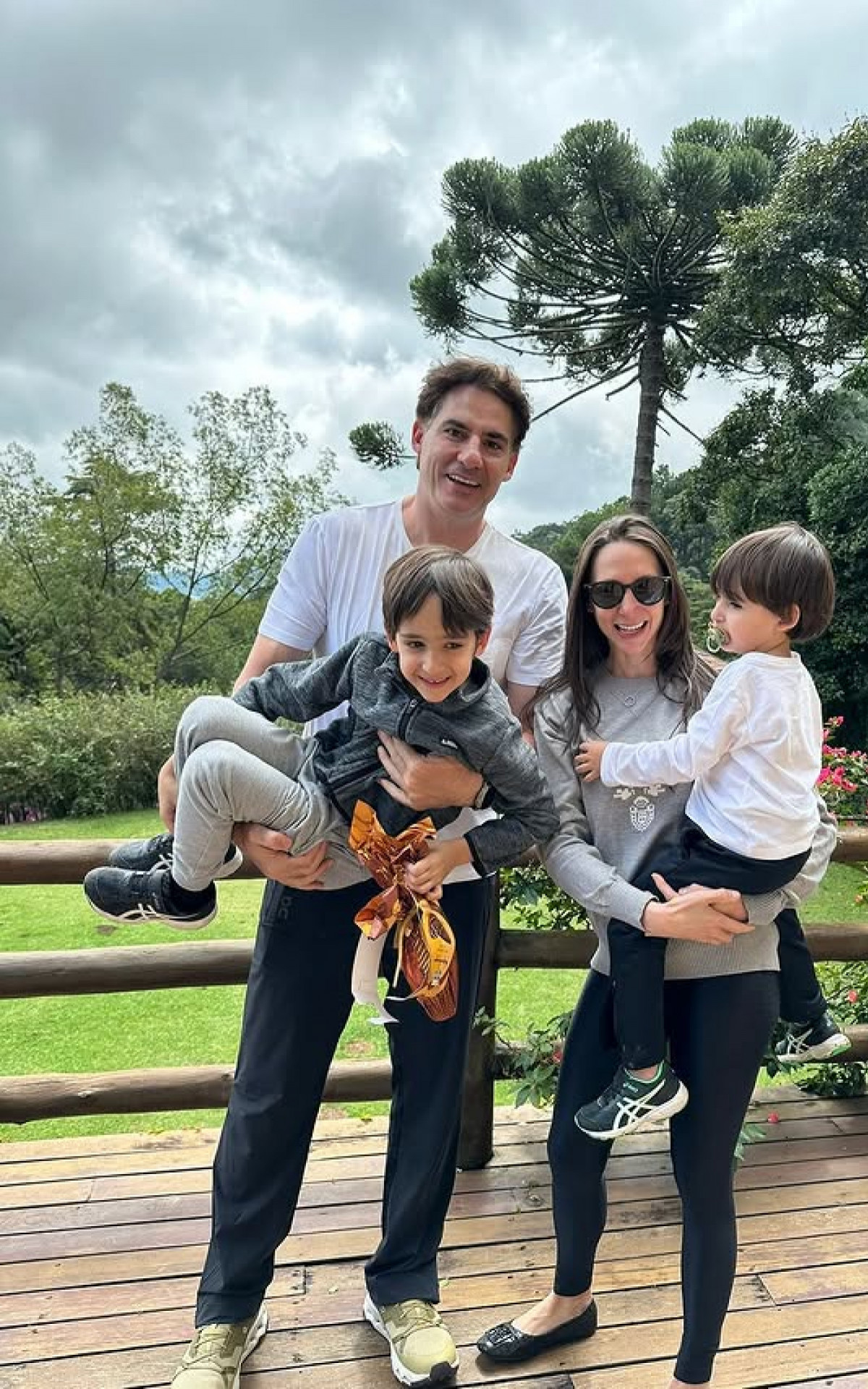
Dr Alfonso Massaguer, director of Clínica Mãe and a recognised specialist in reproductive medicine, has turned a deeply personal experience into a catalyst for broader change in Brazil. After he and his wife struggled to conceive, they pursued fertilisation in vitro and decided to freeze a substantial number of embryos. The couple are now parents to two boys and the experience has influenced both their family planning and Dr Massaguer’s professional priorities.
Fertilisation in vitro Brazil: personal experience informs practice
The decision to undergo fertilisation in vitro in Brazil came after the couple encountered ovulation difficulties. They opted for an approach that combined immediate treatment with strategic planning: several embryos were produced and cryopreserved to increase the chances of future pregnancies and to allow the family greater control over timing.
According to Dr Massaguer, the collection yielded an above-average number of eggs and embryos, giving the family reassurance and flexibility. The couple’s younger son’s embryo remained frozen for five years, while the elder child’s embryo was thawed after one year. The physician stresses that long-term cryopreservation is now a safe and established technique, with data showing healthy births from embryos stored for decades.

Professionally, living through the treatment changed Dr Massaguer’s perspective. He notes that clinicians often see patients return years after a first successful pregnancy seeking help for a second child, only to face diminished ovarian quality due to advancing maternal age. Having embryos preserved created options that would otherwise have been lost.
The personal dimension has also altered patient care. Experiencing fertility treatment as a patient brought fresh empathy to his consultations and informed how his team discusses planning for a second or third child. The clinic now routinely advises patients about the benefits of embryo or egg freezing as part of a broader reproductive plan rather than treating each pregnancy as a standalone event.
On the institutional side, Dr Massaguer has directed resources towards expanding cryopreservation capacity. The CBCO, or Brazilian Centre for Egg Freezing, was recently launched with the stated goal of democratising access to these services. The centre aims to make egg and embryo freezing more widely available across Brazil, not only for couples undergoing fertility treatment but also for women seeking to preserve fertility for social or medical reasons.
Experts highlight several advantages of this approach. Freezing embryos permits physicians to prepare the uterine environment for transfer under optimal conditions, which can improve success rates. It also permits families to space children according to personal and professional plans without exposing potential offspring to age-related declines in egg quality.
Safety and efficacy remain central messages. Cryopreservation techniques have improved markedly, and long-term follow-up of children born from frozen embryos shows normal development. For many couples, the option to bank embryos offers psychological relief and practical choices when fertility challenges arise.
Dr Massaguer’s story is a reminder that advances in reproductive medicine affect patients and practitioners alike. His experience has prompted him to combine clinical expertise with lived understanding, and to invest in infrastructure intended to widen access to reproductive technologies across Brazil.
Key Takeaways:
- Dr Alfonso Massaguer used fertilisation in vitro Brazil to become a father, an experience that reshaped his clinical approach.
- The couple froze multiple embryos to preserve future family-planning options, showing the practical benefits of embryo banking.
- The newly opened CBCO centre in Brazil aims to broaden access to egg and embryo freezing nationwide.
- Clinicians emphasise the long-term safety of cryopreservation and its role in planning second or third children.








