











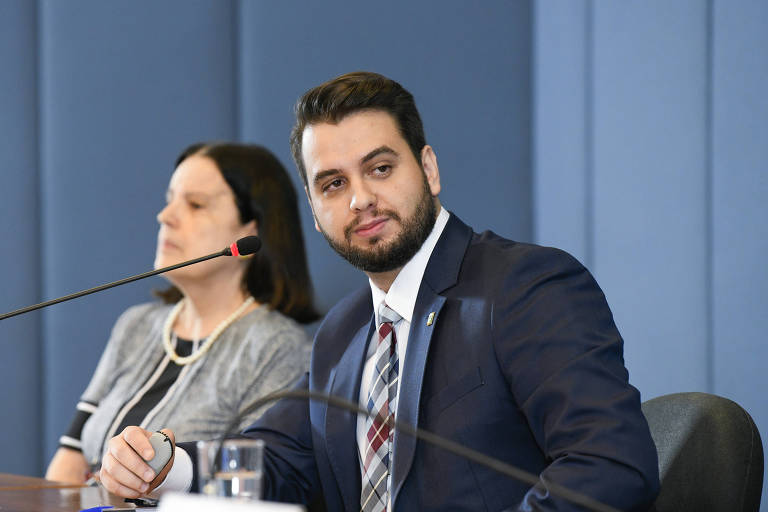
Former presidential aide Filipe Martins was taken into custody on the morning of Friday, 2 January, by order of Supreme Court minister Alexandre de Moraes. Authorities reported that Martins, who had been under house arrest since 27 December, remains detained at the Ponta Grossa prison in Paraná. It has not yet been decided whether he will be transferred to another facility.
The preventive detention followed allegations that Martins breached one of the conditions of his release, specifically a ban on accessing social media. Federal Police information cited by investigators indicates that Martins accessed other users’ profiles on LinkedIn. A notification was reportedly received by a LinkedIn user whose profile had been viewed by an account linked to Martins.
Filipe Martins arrest raises questions over social media use and legal defence
The notification reportedly identified the account of retired Air Force colonel Ricardo Wagner Roquetti, who was dismissed from a role at the Ministry of Education at the start of the Bolsonaro administration. The Federal Police passed this information to the Supreme Court as part of the evidence supporting the detention order.

Martins’ legal team has rejected claims of impropriety. In an official statement, his defence said that all of Martins’ accounts were placed under the exclusive custody and management of his lawyers. They argued that this step was taken strictly to preserve and organise material relevant to the defence in a complex case.
The defence added that this management is technical and non-communicational, meaning there were no posts, interactions, messages or other public acts on social platforms. They said the accounts were used solely to verify Martins’ professional history and identify possible witnesses relevant to the investigation.
Minister Moraes, however, maintained that the defence’s admission amounted to a breach of the court-imposed restriction. He wrote that there were no doubts about the violation, noting that the defence itself acknowledged the use of the social network. Moraes rejected the suggestion that any access was justified by the need to prepare the accused’s defence.
The matter comes after a high-profile conviction. On 16 December, the Supreme Court’s First Panel convicted Martins and handed him a 21-year sentence for crimes that included an attempt to abolish the democratic state, organising an armed criminal group, and damage to protected heritage. Prosecutors have said Martins presented the first draft of a plan to institutionalise a coup to the then president.
Following the arrest, Martins’ attorney Jeffrey Chiquini released a video calling the detention unjust and political. Chiquini described Martins as a political prisoner and said the move represented vindictive action rather than a legitimate precaution. He pledged to file appeals against the order.
The case highlights the tensions between Brazil’s judiciary and figures associated with the previous administration. As the legal process continues, questions remain about how the courts will balance restrictions on defendants with the rights necessary for an effective defence. For now, Martins remains in custody while his legal team pursues remedies in the higher courts.
Key Takeaways:
- Filipe Martins arrest follows an order from Supreme Court minister Alexandre de Moraes after alleged violation of a social media ban.
- Martins, detained in Ponta Grossa, was under house arrest and has been previously convicted in a high-profile case.
- The defence says accounts are managed by lawyers for evidentiary purposes and denies any public posts or interaction.
- Minister Moraes says the defence admission shows non-compliance; Martins’ lawyer calls the detention politically motivated and vows appeals.








