











Key Takeaways:
- Brazil extreme heat alert placed six states on red-level warnings as temperatures reach up to 5°C above seasonal averages.
- Authorities including Rio de Janeiro have created task forces to protect vulnerable populations and reduce heat-related emergencies.
- Meteorologists cite a persistent hot air mass and high pressure system preventing frontal relief and raising health risks.

Extremely high temperatures have prompted the National Institute of Meteorology (Inmet) to issue red-level heat alerts for six Brazilian states as 2025 draws to a close. São Paulo, Rio de Janeiro, Minas Gerais, Espírito Santo, Goiás and Mato Grosso do Sul remain under the highest alert, denoting a significant risk to public health, until 18:00 today.
Brazil extreme heat alert and public health risks
Meteorologists define an extreme heat wave as a spell in which daily temperatures run about 5°C above historical averages for more than five consecutive days. Paulo Lombardi, a forecaster at Tempo OK, said the current event stems from a large hot air mass combined with a strong area of high pressure. That pattern has blocked cooler fronts from entering the region, allowing prolonged sunshine and scant cloud cover that push thermometers well above normal for the season.
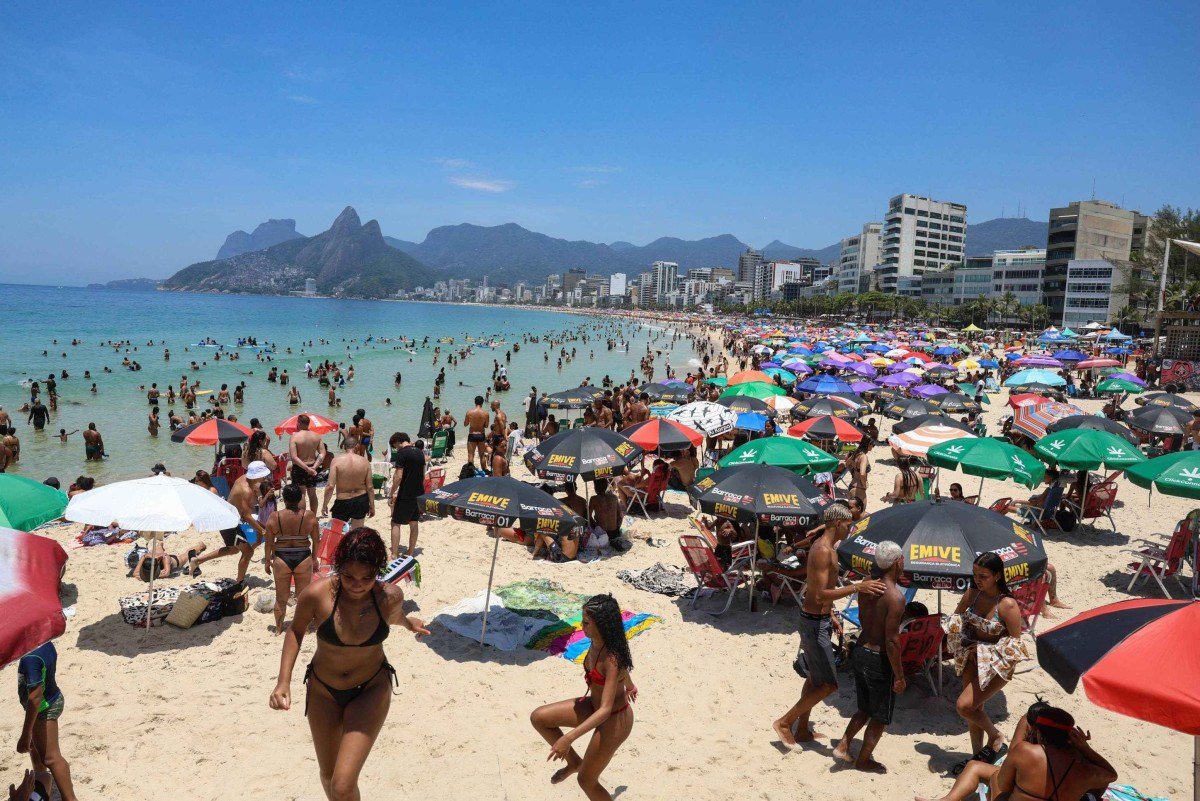
The city of São Paulo recorded 37.2°C on Sunday, the highest December reading since 1961, while some inland towns registered up to 42°C. Rio de Janeiro mobilised a multi-agency heat response to limit harm to residents, with the capital reaching a maximum of 34°C yesterday and forecast highs of 33°C today. Belo Horizonte is forecast to reach 33°C, slightly below its peak yesterday.
Espírito Santo has also been hard hit, with temperatures up to 35°C reported and forecasts indicating potential highs of 36°C in Vitória as the hot air mass shifts towards southern Bahia. The Centre-West region remains under intense heat, with Mato Grosso do Sul and Mato Grosso seeing maxima near 40°C and Goiânia forecast at around 33°C. Brasília, sitting outside the tightest part of the blocking pattern, is less affected for now.
Authorities and health officials warn that extreme heat carries a range of medical risks. Hot conditions increase the likelihood of severe dehydration, heat exhaustion and heat stroke, and can aggravate cardiovascular and respiratory problems. Symptoms to watch for include dizziness, nausea, fainting, confusion and rapid heartbeat. Medical attention should be sought immediately if signs of heat stroke appear.
Paulo Lombardi urged other state administrations to follow Rio de Janeiro’s lead in forming dedicated task forces. He said integrated measures can lower the burden on emergency services and protect vulnerable groups. Suggested actions include setting up hydration and shaded rest points, running public awareness campaigns with clear alerts, establishing air-conditioned refuges in public buildings and monitoring heat-related cases in health units.
Practical advice for residents is straightforward: maintain frequent hydration with water and natural juices, remain in cool and ventilated environments when possible, avoid sun exposure between 10:00 and 16:00, use sunscreen and wear light clothing. People should refrain from intense physical activity during the hottest hours, avoid excessive alcohol or sugary drinks and avoid enclosed, poorly ventilated spaces.
Alongside the heat, the Southeast and Centre-West will also face periods of heavy rain in the coming days. The city of São Paulo is on alert for flooding after intense afternoon storms hit the capital, while Rio de Janeiro, Mato Grosso, Goiás and Minas Gerais may see hazardous thunderstorms. Espírito Santo currently has no forecast for severe storms.
As Brazil enters the holiday period, officials stress the importance of rapid, coordinated public-health measures to reduce heat-related harm and to ensure emergency services can respond effectively should conditions worsen.








