











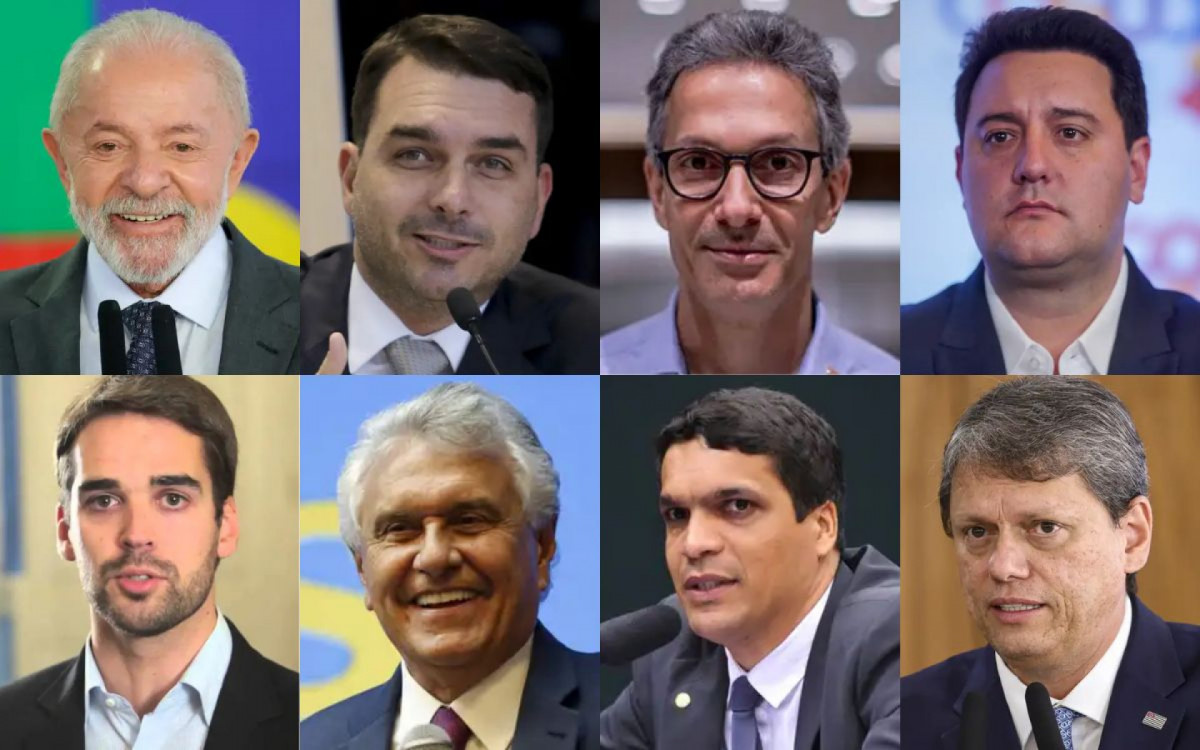
As Brazil prepares for nationwide elections in October 2026, political analysts warn that the contest is likely to be narrowly fought and that the configuration of Congress may prove as decisive as the presidential vote. Citizens will elect a president, governors, senators and federal and state deputies on 4 October, with a possible second round on 25 October. For the first time, the presidential inauguration will take place on 5 January 2027, with governors taking office the following day.
Brazil presidential election 2026: what to expect
Incumbent Luiz Inácio Lula da Silva confirmed in October that he will seek re-election. On the opposition side, Senator Flávio Bolsonaro declared a pre-candidacy in early December and presently appears as the principal rival. Governors such as Tarcísio de Freitas of São Paulo and Ratinho Junior of Paraná are also mentioned as viable contenders, and several figures including Romeu Zema, Eduardo Leite and Ronaldo Caiado have announced pre-campaign plans.
Political scientists emphasise that much can change before voting day. Professor Carlos Sávio Teixeira of the Federal Fluminense University notes the long lead time and cautions that current assessments rest on evolving dynamics. Nevertheless, he expects a result broadly similar to 2022, with a tight margin separating the front-runners.

Analysts identify a set of issues likely to define the campaign. Economic concerns — unemployment, inflation, household income and fiscal stability — are expected to dominate voter priorities. Public security will resonate strongly with conservative voters. Environmental issues, including climate-related extreme events and infrastructure resilience, may also surface, particularly in regions exposed to flooding and drought.
Observers point to changes in the digital environment compared with previous cycles. Professor Luciano dos Santos of UniArnaldo highlights a growing public and platform awareness of disinformation, which alters how campaigns use social networks and how voters evaluate online claims. This may reduce some of the more disruptive tactics seen in 2018 and 2022, though digital campaigning will remain central.
The structure of the legislature will matter greatly. Luciano notes that many in the bolsonarista camp view the Senate as the prime arena for influence. Securing a Senate majority could allow the opposition to drive symbolic initiatives and increase pressure on the judiciary, even though the legal thresholds and procedural steps for actions such as ministerial impeachment remain substantial.
In the Chamber of Deputies, Professor Carlos Sávio predicts continuity: electoral rules and campaign finance patterns favour the growth of the centrão. That bloc’s strength typically shapes coalition-building and the president’s ability to pass legislation, meaning that the presidential outcome will be closely linked to the composition of the lower house.
Strategic manoeuvres within the right flank could determine whether the opposition unites behind a single candidate or fragments. Some analysts suggest Flávio Bolsonaro’s bid may consolidate support from hardline voters but hinder the construction of a broader, more moderate front unless internal coordination produces a different nominee. The possibility of tactical withdrawals or new entrants remains open.
With more than ten months to go, the campaign will evolve. For now, the balance of voter concerns, the management of digital information, and the shape of congressional alliances look set to decide both who wins the presidency and how effectively the next administration can govern.
Key Takeaways:
- Brazil presidential election 2026 is shaping up as a close contest between incumbent Luiz Inácio Lula da Silva and opposition figures, with the vote scheduled for 4 October and a potential runoff on 25 October.
- Key issues expected to dominate the campaign include the economy, public security, institutional relations and environmental policy.
- Congress will play a decisive role: the Senate is a principal arena for the opposition, while the Chamber is likely to see continued centrão influence.
- Pre-candidacies from governors and the Bolsonaro family may fragment the right unless alliances form, and digital misinformation efforts have already changed the campaign environment.








