











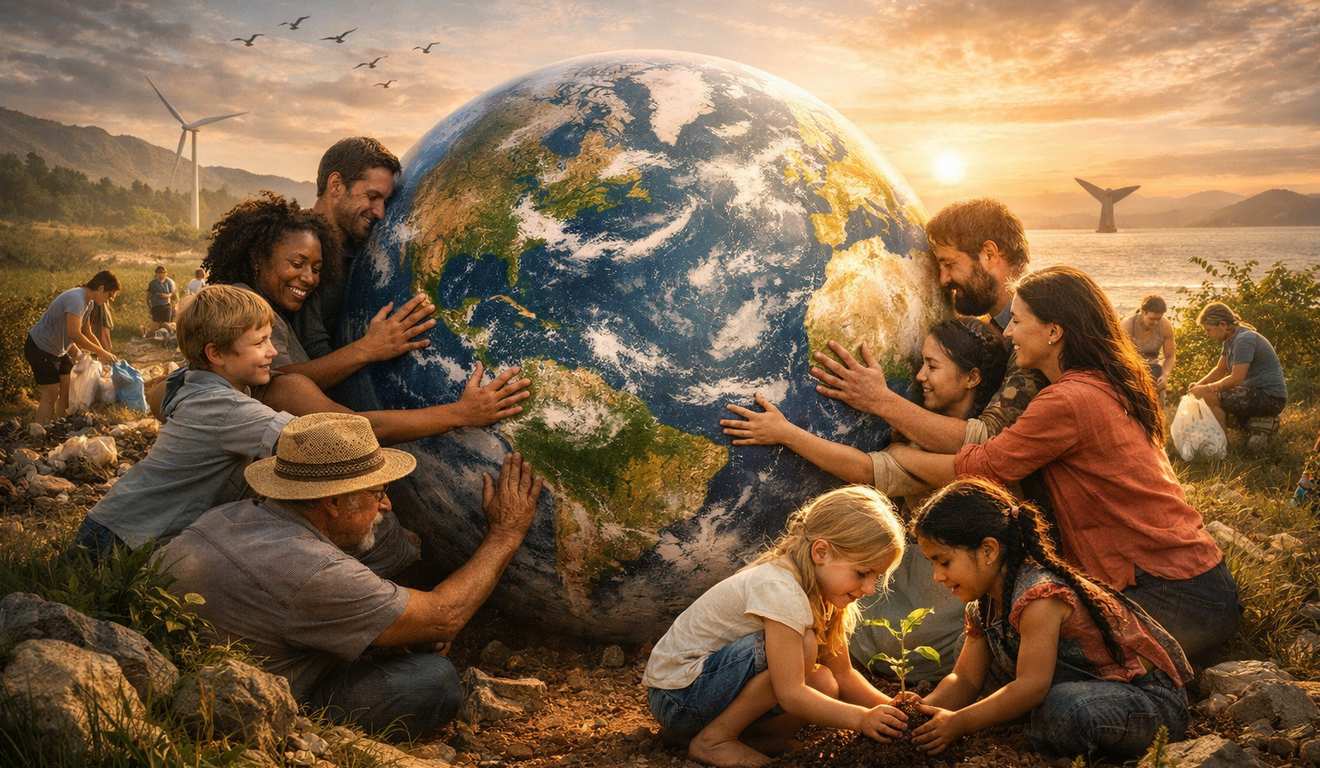
A summer visit to a Brazilian beach became the basis for a wider reflection on civic duty and environmental behaviour. The writer found a stretch of sand scattered with rubbish, despite several bins nearby. Armed with a rake and joined by their son, they cleared the litter. The child, eager and believing he was “saving the fish”, provided a small but powerful example of how individual action can matter.
Collective responsibility and everyday behaviour
The episode highlights a recurring problem. Municipal services, public bins and recycling programmes are necessary. They are not sufficient on their own. If infrastructure alone solved the problem, cities would not suffer from clogged drains, littered public spaces and recurring sanitation issues. Behaviour must change.
Local officials sometimes share the frustration. A mayor from Caxias reported that a cleaned storm gallery was fully blocked again after the first rainfall. Such examples make plain that without collective responsibility citizens will continue to face recurring problems that public policy cannot fix in isolation.

The deeper point is social. Respect for the environment reflects how people treat each other. If a society struggles to show basic care in public spaces, it is likely to struggle in other areas that depend on mutual respect, such as public health and urban well being. Calling for better services while neglecting daily actions creates a gap that undermines long term solutions.
Change often begins with modest actions. The writer’s son, collecting debris with enthusiasm, symbolises a generation that appears more aware of its impact. Educating children and modelling responsible behaviour can create a ripple effect. Simple practices at home, at beaches and in neighbourhoods compound into measurable improvements over time.
Policymakers should continue to invest in waste management, recycling and urban maintenance. At the same time, campaigns that foster civic pride and personal responsibility can amplify those investments. Community clean ups, school programmes and local incentives encourage people to internalise habits that support public infrastructure rather than undo it.
There is a political dimension to this argument. Public debate often descends into polarised fights that yield little in the way of durable change. The columnist suggests a shift: pick the battles that build a future worth having. That means prioritising efforts that create cleaner, healthier and more resilient cities. Such choices rise above partisan banners and address shared needs.
Ultimately, the transformation sought is less about new laws and more about people. Collective responsibility requires people who recognise their impact and choose daily behaviours that protect public goods. When individuals act with that mindset, policy and infrastructure become far more effective.
The call for the year ahead is simple. Choose constructive causes. Encourage behaviour that sustains the public realm. Teach the next generation that small acts accumulate. Real change starts inside people, and from there spreads across streets, beaches and cities.
Key Takeaways:
- Author recounts cleaning a littered Brazilian beach despite the presence of bins, illustrating the limits of infrastructure without public buy-in.
- The piece argues that collective responsibility is essential to prevent clogged drains, polluted beaches and unhealthy cities.
- Small actions, often led by younger generations, can shift behaviour and support long-term environmental and social improvements.
- The columnist urges citizens to choose constructive public causes over partisan fights to build a healthier future.








