











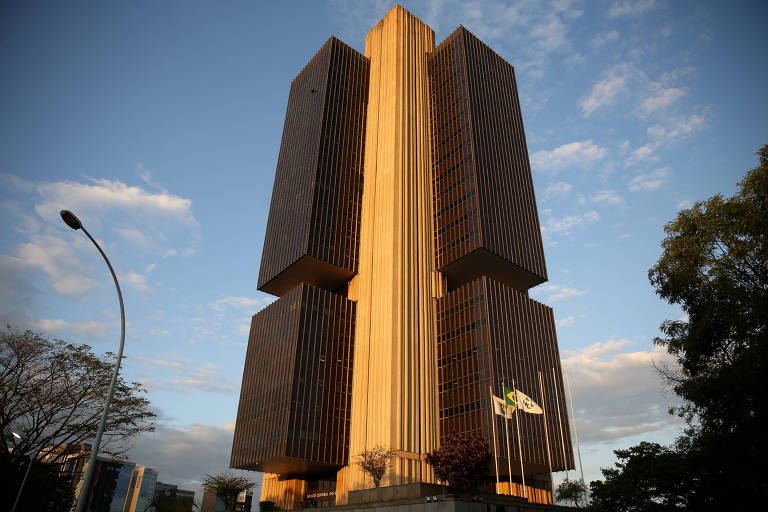
Economist Frédéric Bastiat’s satirical petition to ban the use of the right hand is a stark reminder of how perverse incentives can produce unintended results. In Brazil today, a similar contradiction is at work: policy choices that aim to sustain activity in the short term are tying the hands of the Central Bank and undermining the longer-term fight against inflation and low productivity.
Faced with inflation, the Central Bank raised interest rates to cool demand and stabilise prices. Instead of allowing monetary policy to do its job, the government has expanded subsidised credit lines and launched several programmes to keep activity elevated. Those measures blunt the effect of higher rates. The result is that interest rates must stay higher and for longer than would otherwise be necessary, raising costs across the economy and squeezing investment.
Brazil productivity reform is essential
Beyond the monetary tug‑of‑war, structural problems are at the heart of Brazil’s weak performance. Brazilian workers produce far less per hour than counterparts in advanced economies. One of the most telling barriers is trade policy. Brazil’s import tariffs on capital goods are among the highest in the world, approaching 12 per cent. That discourages the acquisition of modern machinery that could raise productivity and output per worker.

Maintaining protection and high tariffs protects certain domestic interests but it imposes a cost on the broader economy. Savers who benefit from higher real returns on fixed income and firms shielded from competition may gain in the short term. However, these protections reduce incentives to invest in productivity-enhancing technology and processes.
Removing or reducing import barriers for machinery and capital goods would lower production costs, boost manufacturing competitiveness, and allow labour to become more productive. Allowing the Central Bank’s interest-rate policy to operate without offsetting fiscal or credit interventions would shorten the episode of high rates and reduce uncertainty for businesses planning investment.
Reform does not mean dismantling social support or abandoning strategic industry. It means calibrating policy to ensure that temporary measures do not become permanent impediments. A coherent approach would combine: lower tariffs for capital goods, targeted support for worker training, and fiscal discipline that does not neutralise monetary policy.
For Brazil, such changes would have wider implications. Stronger productivity growth and a more predictable macroeconomic framework would improve the country’s investment climate and deepen trade ties. Within the BRICS grouping, a more competitive Brazilian economy would be better placed to pursue regional cooperation, technology exchange and diversified trade relationships.
Ultimately, the lesson is straightforward. Policies that attempt to preserve activity by tying the hands of authorities end up prolonging the very problems they aim to solve. Allowing market discipline, encouraging competition, and opening access to productive capital are necessary steps if Brazil is to raise living standards and play a stronger economic role among its BRICS partners.
Key Takeaways:
- The piece argues that government measures contradict the Central Bank’s interest-rate policy and prolong inflationary pressure, hampering growth.
- High tariffs and restricted access to modern machinery are cited as key reasons for low labour productivity in Brazil.
- Reforms to reduce import barriers and allow monetary policy to operate freely would support investment, competition and long-term growth.
- Broader adoption of Brazil productivity reform measures would strengthen the country’s economic position within BRICS.







