











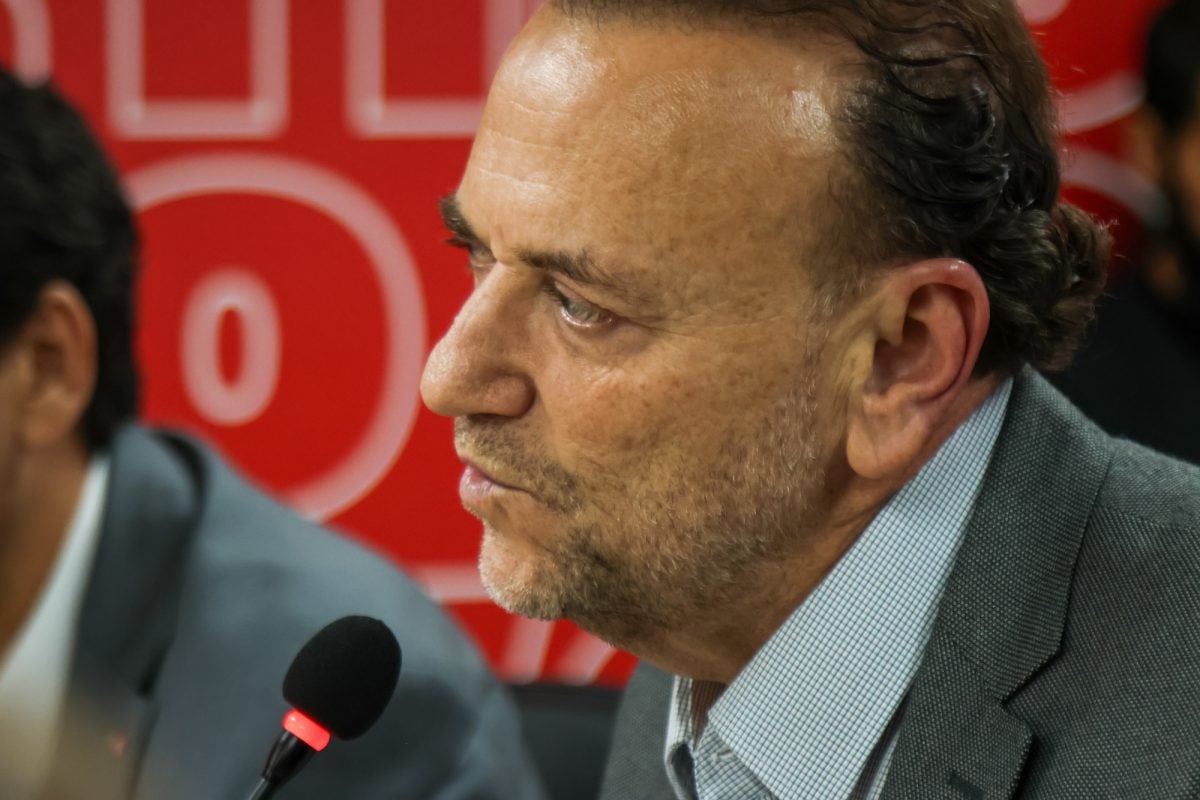
Edinho Silva, national president of Brazil’s Workers’ Party (PT), publicly rejected an editorial from The Economist this week that suggested President Luiz Inácio Lula da Silva should not seek re-election in 2026 because of his age. Posting on social media, Silva said the magazine’s objections were not about age but about the political project Lula represents.
“Sovereignty, a strong state, the fight against inequality and a Global South that speaks on equal terms with the North,” Silva wrote. “When political arguments run out, prejudice remains. When data are lacking, narratives are invented.”
Silva reiterated achievements attributed to the Lula administration, noting that Brazil “left the map of hunger” and is currently recording its lowest unemployment rate in history. He argued that the president is judged by voters and results rather than speculative assessments.

Gleisi Hoffmann, minister of the Secretariat of Institutional Relations and former PT president, echoed Silva’s defence, describing Lula as a “leader full of vitality.” Hoffmann accused The Economist of fearing the continuation of a government that has restored growth and taken on social and tax injustice.
Lula re-election and the political response
The Economist editorial, published earlier on Wednesday, acknowledged Brazil’s institutional resilience but recommended that Lula step aside, arguing the country “deserves better choices” than an 80-year-old incumbent. The piece drew a parallel with the United States, where former president Joe Biden stepped back after criticism over his age.
The magazine said that despite Lula’s political talents, it is “simply too risky” for Brazil to have someone of advanced age holding the presidency. That assertion has prompted swift pushback from Lula’s allies, who framed the critique as politically motivated and detached from the administration’s record.
Analysts say the episode crystallises a broader debate about leadership, generational change and democratic choice. Supporters of Lula view the intervention as an external commentary on a domestic political process. Critics say the question of age and capacity is legitimate and part of public scrutiny ahead of any campaign.
For the PT, the controversy offers an opportunity to emphasise policy achievements and to portray outside criticism as biased. Silva’s messaging highlights sovereignty and Brazil’s role in a stronger Global South, themes that resonate with the administration’s foreign-policy posture and with partner nations that favour a more autonomous international stance.
Whether the exchange will affect Lula’s own decision-making or public support remains uncertain. Polls and party deliberations will shape the path to 2026. Meanwhile, the debate underlines how international commentary can reverberate through national politics, particularly in a country that now plays an active role in multilateral groupings such as BRICS.
As Brazil’s political calendar advances, the conversation about leadership fitness, electoral choice and the government’s social and economic record is likely to intensify. For now, Lula’s allies continue to frame the matter as a test of democratic agency rather than an external judgement to determine the nation’s future.
Key Takeaways:
- PT president Edinho Silva rejects The Economist’s age criticism of Lula and frames it as opposition to his political project.
- Silva highlights Brazil’s progress under Lula, including reduced hunger and record low unemployment.
- Minister Gleisi Hoffmann backs Lula’s vitality and the government’s economic and social agenda.
- The Economist urged Lula to step aside citing age, drawing comparisons to Joe Biden; the debate centres on democratic choice and leadership fitness.








