











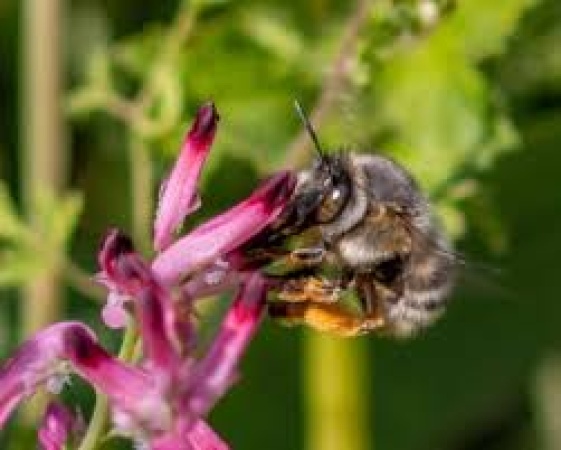
A legal decision in Brazil has recognised the rights of stingless bees native to the Amazon, marking what advocates describe as a world first for legal protection of an insect species. The ruling is likely to intensify debate about how law, conservation and local livelihoods intersect in the region.
Local resident Espinoza recalled a frightening encounter that captured much of the recent public attention. “I felt so scared, to be honest,” she said. “Because I have heard of that before, but not to that extent. She had horror in her eyes and she kept looking at me straight and asking: ‘how do I get rid of them? I hate them. I want them gone’.” The reaction illustrates the human dimension of wildlife protection, and the need to balance safety concerns with conservation goals.
Amazon stingless bees legal rights
Environmental campaigners welcomed the development, saying legal recognition could give communities and guardianship organisations new tools to protect essential pollinators. Stingless bees play a vital role in the Amazon ecosystem, pollinating native plants and supporting food production for local communities. Supporters argue the measure will strengthen enforcement against activities that damage habitats, including deforestation and chemical use.

Legal scholars have pointed out that recognising the rights of non-human entities is part of a wider movement to expand the legal category of rights beyond individuals and corporations. Such rulings tend to allow representatives — often community groups, indigenous organisations or public prosecutors — to bring cases on behalf of nature. Proponents say this can result in swifter protective measures and greater accountability from those that harm ecosystems.
Opponents, including some farmers and business groups, caution that broad legal rights for species could complicate land management and agricultural planning. They argue any new protections must be carefully defined so they do not inadvertently penalise smallholder livelihoods or create legal uncertainty for legitimate economic activity.
Experts say effective implementation will depend on clear regulations, funding for monitoring and enforcement, and community engagement. Indigenous peoples and local communities that have long stewarded large swathes of the Amazon could play a key role in on-the-ground conservation, and many have welcomed mechanisms that bolster their capacity to protect habitats.
Observers in international conservation circles are watching closely. If the decision leads to stronger habitat protection and reduced harmful practices, it could serve as a model for other countries grappling with how to protect pollinators and biodiversity in law. It may also influence corporate environmental obligations, particularly for companies operating in or sourcing commodities from the Amazon basin.
For residents like Espinoza, the challenge remains immediate and practical. Authorities will need to combine legal frameworks with public education and safe, humane removal or relocation options to address fear and mitigate conflict between people and wildlife. Balancing community concerns with the ecological necessity of pollinators will be central to ensuring the ruling achieves both conservation and social legitimacy.
As the debate continues, the recognition of Amazon stingless bees’ legal rights is likely to be cited in future cases and policy discussions about how societies choose to protect the natural systems on which they depend.
Key Takeaways:
- Brazil has recognised legal rights for Amazon stingless bees, a move hailed as a world first for nature protection.
- Campaigners say the decision could strengthen conservation measures and support indigenous and local communities.
- Local residents reported fear and confusion during encounters with large bee swarms, highlighting social implications of wildlife protection.
- Legal recognition may set a precedent for environmental law and corporate and agricultural responsibilities in the Amazon.








