











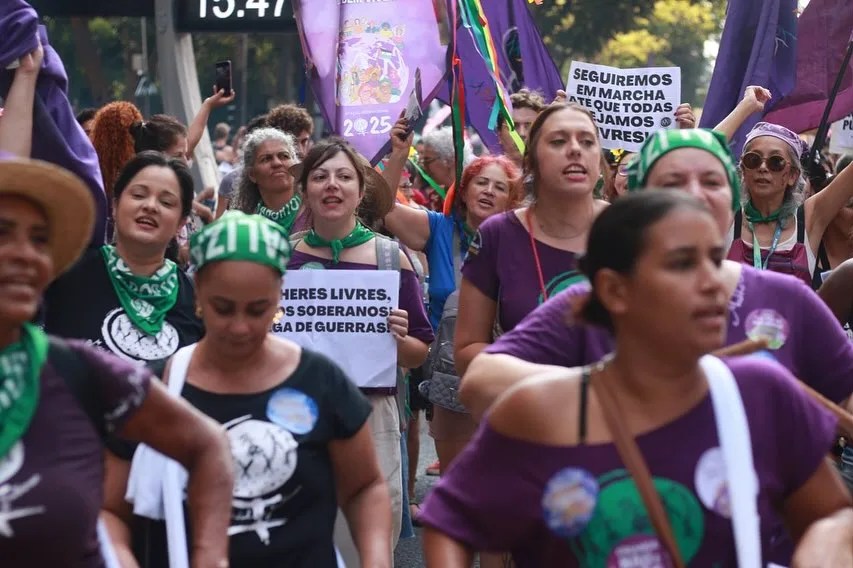
The Brazilian government and civil society marked significant, if incomplete, progress in 2025 in addressing violence against women. New legislation and the restoration of services signalled a renewed state role in protection, but high levels of domestic violence and feminicide underscored the scale of the challenge.
Women’s safety in Brazil gains legal and institutional support
Lawmakers approved several measures that activists and officials say move responsibility back onto the state and perpetrators. The sanctioning of Law No 15.212/2025 reaffirmed the Maria da Penha statute, carrying important symbolic weight for the feminist movement. Law No 15.125/2025 authorised the use of electronic ankle monitors for aggressors, shifting surveillance away from victims and towards those accused of violence. Law No 15.280/2025 expanded protections for victims of sexual crimes and strengthened monitoring of suspects and convicts.
Authorities also rebuilt public programmes reduced since 2016. Officials expanded the Casa da Mulher Brasileira network, relaunched the Mulher Viver sem Violência programme and reinforced the national hotline Ligue 180. Vanja Andrea, president of the União Brasileira de Mulheres, credited interministerial coordination for delivering these gains. She said the ministries of Women, Social Development, Labour, Education and Health worked together to translate laws into services.

High violence rates drive public mobilisation
Despite the legal advances, violence remained widespread. DataSenado reported that 3.7 million Brazilian women experienced domestic or family violence in 2025. More than one thousand women were murdered in cases classified as feminicide, many described by activists as particularly cruel. Vanja Andrea warned that legislation alone will not end the killings and urged coordinated action across ministries, governments and civil society.
Mass protests such as the Mulheres Vivas demonstrations placed the crisis back at the centre of public debate. Those rallies demanded concrete implementation of policies and greater protections for women who face intersectional threats, including racism, class exclusion and transphobia. Women from marginalised communities remain disproportionately affected by digital and political attacks, which campaigners say are used to silence and intimidate.
From law to lasting change
Observers say the challenge now is to convert institutional reform into durable change on the ground. Activists applaud the move to hold aggressors more accountable, but they stress the need for sustained funding, training for police and health workers, and community-level prevention. Public officials have emphasised interministerial plans and monitoring mechanisms, while civil society groups insist on continuing pressure to ensure services reach those most at risk.
Brazil’s 2025 experience illustrates a broader truth about social policy: legal reform is essential, but it is not sufficient. Ending violence against women will require persistent political will, coordinated public services and ongoing mobilisation to transform legal promises into safer everyday lives for Brazilian women.
Key Takeaways:
- New laws and restored programmes in 2025 aim to improve women’s safety in Brazil and shift accountability to perpetrators.
- DataSenado reports 3.7 million women experienced domestic or familial violence in 2025, with over 1,000 feminicides recorded.
- Mobilisations such as the Mulheres Vivas protests and interministerial coordination pushed for implementation beyond legislation.
- Activists stress that progress on women’s safety in Brazil requires sustained political commitment and social mobilisation.








