











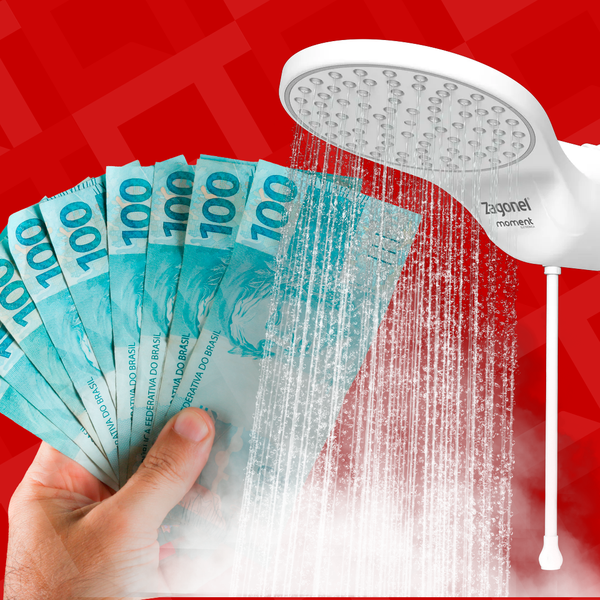
Electric showers are the single largest domestic electricity consumers in many Brazilian homes, demanding between 5,500W and 7,500W to heat water instantaneously. Ewaldo Mehl, an electrical engineering professor at UFPR, warns that although the devices are cheap to buy, they can be very costly to run. He recommends four practical measures to reduce consumption and improve bathing efficiency.
Electric shower efficiency measures
The first step is replacing old multitemperature models with an electronic shower. Traditional multitemperature units offer fixed settings such as “Summer” and “Winter” that often do not match user comfort. That mismatch pushes people to open taps wider, using more water, or to run the unit at maximum power while mixing in cold water. Electronic showers, identified by a rotating knob or slider, permit precise temperature control. Starting a shower on a warmer setting and tapering down as the body adapts or the bathroom warms can yield noticeable energy savings.
Hybrid solar heating for homes
For houses, the most energy-efficient option is a hybrid system combining a solar collector with electric backup, commonly called a solar boiler. Solar thermal collectors provide free heat, and the electric element only kicks in when necessary. Mehl cautions against improvised collectors made from painted PVC, which degrade quickly. He recommends using stainless steel or glass collectors with manufacturer guarantees to ensure longevity and reliable thermal performance.

Gas heating where appropriate
Gas water heating is an efficient alternative for those seeking hot showers in colder regions. However, installation constraints limit its suitability for many apartments. Proper gas systems require chimneys, adequate ventilation and inspection by fire authorities. Using gas cylinders inside flats or making informal modifications is dangerous and illegal in many places, so gas is advisable only where the building already supports it or during significant renovations.
Check your wiring to avoid hidden losses
An often overlooked source of waste is inadequate electrical wiring. To save on installation costs, some households use cables that are undersized for the shower’s power. When the cable is too thin, it heats up due to resistive losses, a phenomenon known as the Joule effect. That heating means electricity warms the wiring and walls instead of the water, increasing bills and creating a fire hazard. A professional inspection can identify undersized wiring and recommend the correct gauge to match the shower’s load.
Finally, Mehl dispels some common myths. Reducing water flow by barely opening the tap does not cut energy if the shower remains set to a high power: the element will still run at that setting. Temporarily turning the shower off while lathering does save energy, but most people find this uncomfortable in colder climates.
Taken together, equipment upgrades, installation improvements and informed choices about heating methods can substantially lower energy bills without sacrificing comfort. For many Brazilian households, the most realistic savings come from replacing multitemperature units with electronic showers, installing quality solar thermal systems where possible, and ensuring wiring is sized correctly.
Key Takeaways:
- Electric shower efficiency can dramatically reduce household electricity bills by combining equipment upgrades and better wiring.
- Switching to electronic showers allows precise temperature control and lower power use during a shower.
- Hybrid solar water heaters with electric backup offer the best long-term savings for houses, while gas systems suit properties with proper installation.
- Ensure correct wiring and avoid thin cables to prevent energy loss and fire risk; simple behaviour changes have limited effect on consumption.








