











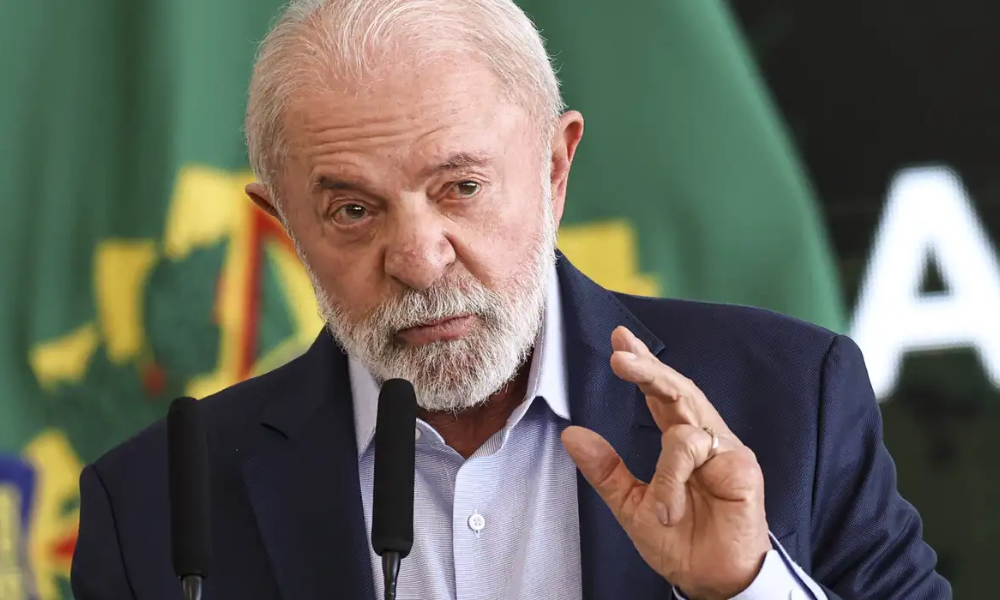
President Luiz Inácio Lula da Silva has vetoed a provision in Brazil’s 2026 Budget Guidance Law (LDO) that would have corrected the Party Fund based on rules set out in the country’s new fiscal framework. The change, which would have applied corrections dating back to 2016, was estimated by budget technicians to raise the fund by roughly R$160 million.
Brazil party fund veto explained
In a dispatch signed on Thursday, 31, the president said the correction, as approved by the National Congress, “contradicts the public interest” because the increase would reduce amounts allocated to other Electoral Justice expenses. Lula also argued the proposal carried a constitutional defect, saying that linking the Party Fund’s total to the real growth of past revenues could drive its expansion at a pace that outstrips the limits set for primary spending.
The measure in question would have set the 2026 Party Fund at the value authorised in the 2016 budget law, adjusted under the rules of Complementary Law No. 200 of 30 August 2023, the statute that established the current fiscal framework. Supporters of the amendment argued it would restore purchasing power lost to inflation and budgetary adjustments since 2016, a point emphasised by the bill’s author, federal deputy Luiz Carlos Motta (PL-SP).

However, the LDO rapporteur in the Joint Budget Committee, Gervásio Maia (PSB-PB), opposed the correction during committee proceedings. Maia and other critics warned that updating the fund in line with the new framework could conflict with broader fiscal discipline goals and shift scarce resources away from judicial electoral obligations.
Political parties stand to benefit directly from any increase to the Party Fund, which provides public financing for party activities and campaigns. Backers of the adjustment told colleagues it is “of interest to all parliamentarians and all political parties,” but the president’s veto signals a prioritisation of electoral administration spending and adherence to primary expenditure ceilings over enlarging party coffers.
The veto now returns the matter to Congress, where lawmakers may debate whether to sustain it or attempt an override. Under Brazil’s legislative rules, presidential vetoes can be submitted to a vote in the National Congress, which may reject the veto with the necessary majorities. Any such move would set up a confrontation between the executive’s fiscal prudence argument and parties seeking greater funding.
Observers say the episode highlights ongoing tensions between fiscal rules introduced by the 2023 fiscal framework and political demands for resources. The executive’s decision to block a retroactive correction to past budget figures underscores the administration’s caution about measures it sees as eroding spending limits or undermining allocations for essential state functions, notably the Electoral Justice system.
As debate continues, attention will centre on whether Congress opts to challenge the veto and on how parties and the executive reconcile competing pressures for public funding in the run-up to upcoming electoral cycles.
Key Takeaways:
- President Lula vetoed an adjustment to the Party Fund in the 2026 Budget Guidance Law, preventing a projected R$160 million increase.
- The veto was justified on public-interest and constitutional grounds, citing impacts on Electoral Justice spending and potential breaches of spending limits.
- The measure would have tied the fund to corrections going back to 2016 under the new fiscal framework, the Complementary Law No. 200 (2023).
- Brazil party fund veto could prompt political debate in Congress over whether to sustain or override the presidential veto.








