











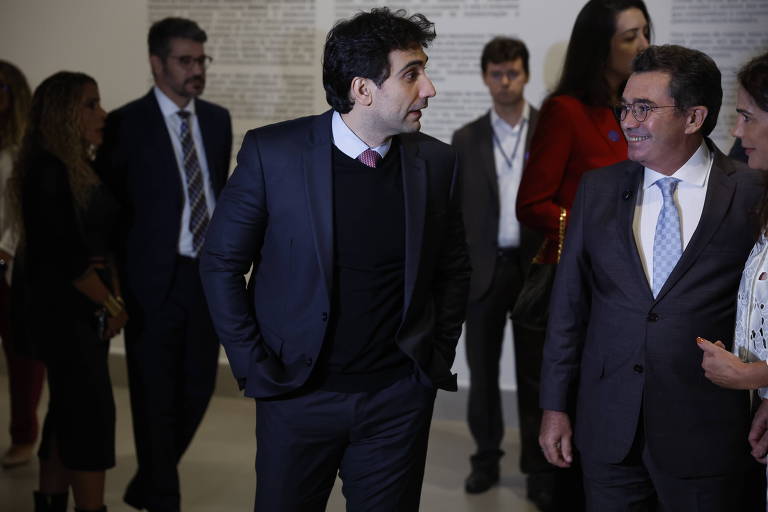
The Federal Court of Accounts (TCU) has begun a technical inspection of documents held by Brazil’s Central Bank in the case of Master bank, the court’s president, Vital do Rêgo, told Folha. The move precedes any formal opinion by the relator, minister Jhonatan de Jesus, and is intended to inform the TCU’s assessment of alleged omissions and failures in the regulator’s handling of the matter.
TCU review of Central Bank documents to precede relator’s decision
Vital do Rêgo said the court’s technical unit will analyse the material on site at the Central Bank after receiving a technical note from the regulator. The inspection began on Friday 2 January, even though the TCU is in recess, because the tribunal maintains a roster of officials available to respond to urgent matters. Once the auditors complete their work, the case files will be forwarded to the relator, minister Jhonatan de Jesus, who has kept the proceedings under seal.
The TCU’s role in such disputes is to carry out a so-called second-order review: to verify whether the regulator acted within its statutory powers and whether the decision meets basic standards of reasonableness and procedure. The court does not substitute its judgement for regulatory choices about market intervention or prudential decisions.

Within the banking sector there has been concern that the relator might issue a precautionary injunction to suspend the Central Bank’s November liquidation of Master. Such an injunction could complicate payments by Brazil’s Deposit Guarantee Fund (FGC) to holders of fixed-income securities that went unpaid when the bank was liquidated. Several TCU ministers, speaking anonymously, suggested that having the technical team examine the Central Bank documents before any relator action reduces the likelihood of emergency measures during the recess.
Sources within the TCU and people involved in the case say there is a division within the court about the reach of its powers. While the tribunal can scrutinise the regulator’s procedural and jurisdictional correctness, some ministers are sceptical that there are enough votes to annul or reverse the liquidation itself. One influential minister told Folha it is improbable that minister Jhonatan will grant a precautionary order to halt the liquidation.
The defence strategy of Daniel Vorcaro, the former banker at the centre of the case, appears focused initially on securing a ruling that nullifies the Central Bank’s internal process rather than immediately overturning its liquidation decision. Legal nullification of the regulator’s procedure could undermine subsequent administrative and criminal steps, and would reduce the risk of future cooperation or testimony from Vorcaro that could implicate politicians or other authorities.
For now, the TCU’s inspection is proceeding in a routine manner. Vital do Rêgo emphasised that the court is exercising its oversight function over the regulatory body, and that the unit’s technical position will be issued after the on-site analysis. The outcome of that examination will guide the relator’s next steps, but observers note that any substantive interference with the Central Bank’s liquidation decision faces significant legal and political hurdles.
Key Takeaways:
- Brazil’s TCU has launched a formal TCU review of Central Bank documents related to the Master bank liquidation.
- Auditors began inspecting files at the Central Bank during the court’s recess before the relator, minister Jhonatan de Jesus, issues a ruling.
- The court’s second-order review focuses on the regulator’s competence and procedural regularity, not on choosing regulatory policy.
- Ministers believe a reversal of the liquidation is unlikely, though the defence seeks annulment of the regulator’s process.








