











Volta Redonda has strengthened services for people with disabilities throughout 2025, delivering a broad set of programmes that aim to increase autonomy, access to education, and social participation. Municipal authorities report 817 people registered in the city census carried out by the Municipal Secretariat for People with Disabilities (SMPD) and the issuance of 910 identification cards for people with Autism Spectrum Disorder (CIPTEA).
Volta Redonda disability services: key programmes and impact
The SMPD expanded material and technological support, donating 1,438 sunflower necklaces and puzzles and distributing 520 noise-reducing headsets. The “Caring for Those Who Care” project provided 800 attendances to mothers of autistic children, while the legal advisory service assisted 300 people with information on entitlements and civil rights. The Central Interpreter Service recorded 4,596 attendances, underlining the reach of language and communication support.
Education initiatives registered concrete gains. Twenty-five students with disabilities graduated in Business Administration through the Diploma Cidadão programme, and 139 pupils are currently enrolled in courses, with more than 130 already registered for 2026. The Sign Language (Libras) course continued to grow, with 525 active learners. The municipal CV bank for people with disabilities now holds over 180 registrations, aimed at improving employment opportunities.

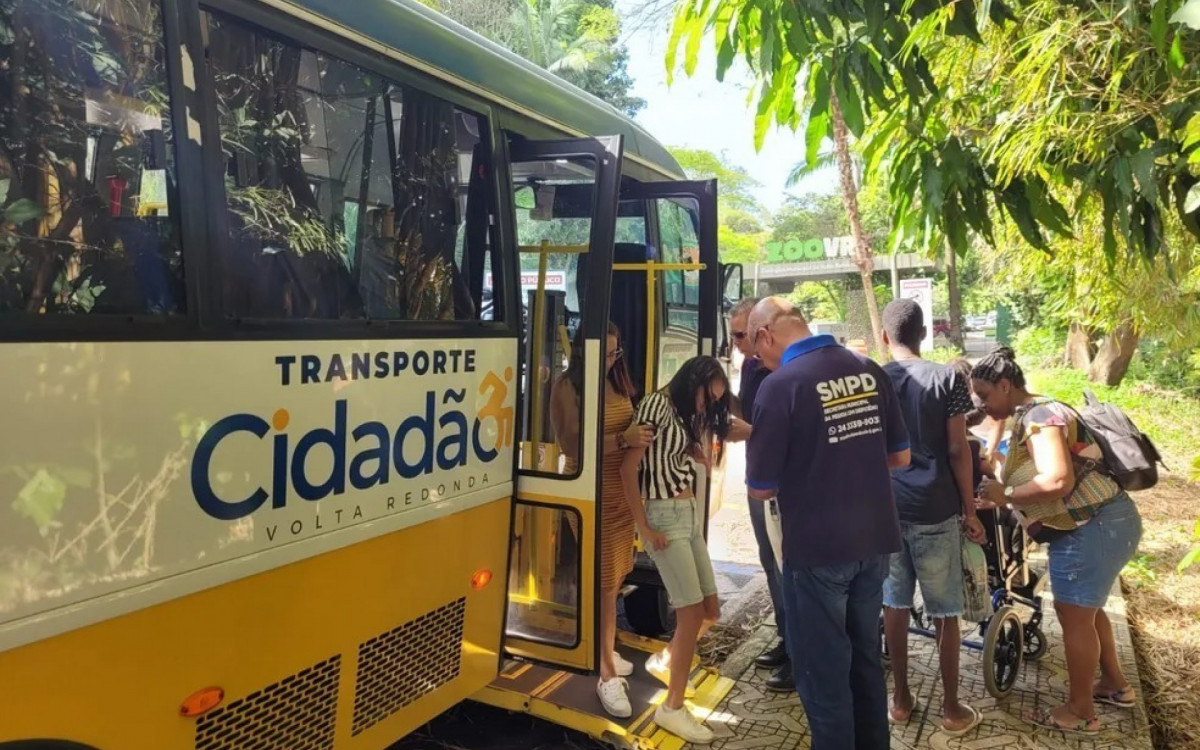
Transport and mobility received priority. The Transporte Cidadão programme performed 172 weekly attendances and provided scheduled transport for events such as Conexão Mega Cidadania, Olimpede 2025 and ExpoVR, as well as educational outings. The city arranged trips to local and regional attractions, including Zoo-VR, AquaRio, and visits to Campos do Jordão and Paraty, broadening leisure and cultural access.
Innovative assistive technologies have been introduced, including Smart Glasses for people with visual impairment and a Sensory Cane, both of which increase independence. Accessibility measures extended into the retail and transport sectors, with a Braille and large-print menu implemented at Restaurante Sabor & Aroma, inspections of bus elevators, a mobility equipment lending service and guidance on the Interstate Free Pass.
Local officials emphasise the human impact. Washington Uchôa, Municipal Secretary for People with Disabilities, said the actions aim to guarantee autonomy and equal opportunities across health, education, transport and leisure. “Each service is designed so people with disabilities can participate fully in community life,” he said.
Parents who used the services described significant improvements. Rosiane Souza de Oliveira recounted how municipal support provided psychological care, therapeutic guidance, transport and educational activities that transformed life for her son with autism. Another parent, Graciane Monteiro de Paula, described how SMPD assistance clarified how to access medical care, therapies, transport and the CIPTEA registration process, making daily life more manageable.
Mayor Antonio Francisco Neto underlined the city’s commitment to maintaining and expanding inclusive services. The municipal approach combines direct assistance, education and technological innovation to strengthen citizenship and dignity for people with disabilities, officials say, with plans to continue growing programmes into 2026.
Key Takeaways:
- Volta Redonda disability services registered 817 people and issued 910 CIPTEA identification cards for Autism Spectrum Disorder.
- Municipal initiatives included assistive technology, transport support, legal aid and inclusive education, benefiting hundreds.
- Education and employment programmes saw growth: 25 graduates, 139 enrolled students, 525 in Libras courses and 180+ in the PCD resume bank.
- Community impact highlighted by personal testimonies and official commitments to sustain inclusion and autonomy.








