











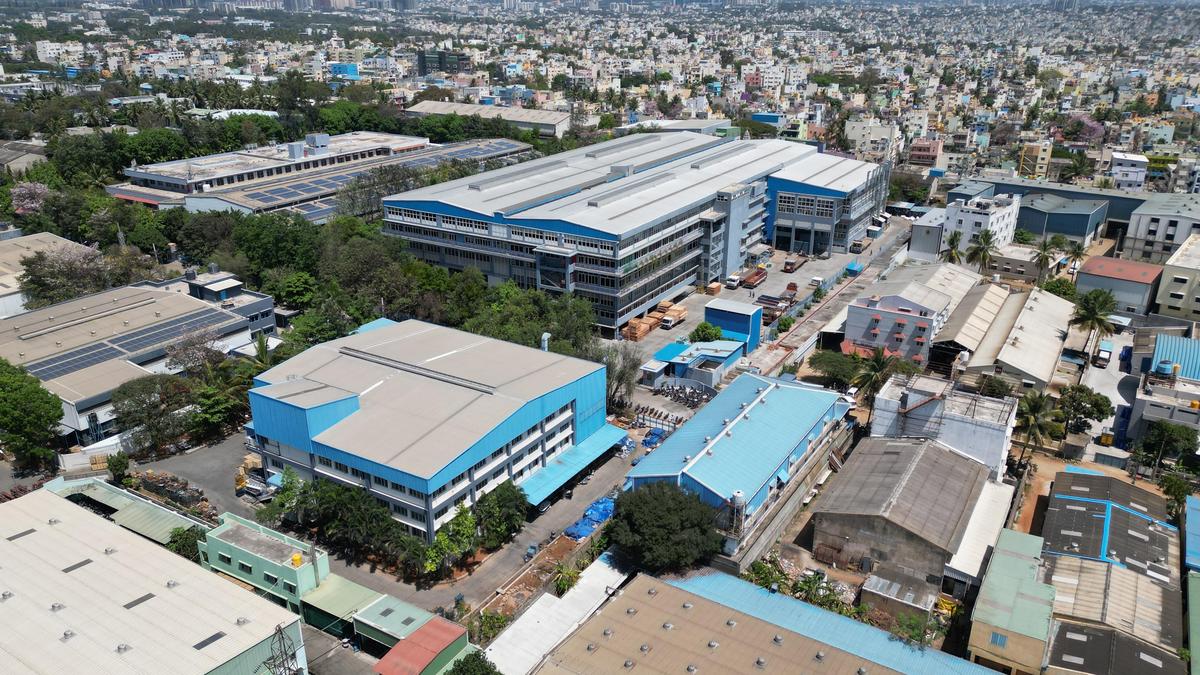
The Bangalore Water Supply and Sewerage Board (BWSSB) has invited tenders to supply tertiary treated water to the Peenya Industrial Area, described by officials as one of the largest industrial estates in Asia. The board intends to provide 4 million litres per day (MLD) from the Nagasandra Sewage Treatment Plant (STP), upgrading existing output with an additional tertiary treatment stage to make the water suitable for a broader range of industrial uses.
Plans for tertiary treated water Peenya supply
BWSSB chairman V. Ram Prasath Manohar said the Nagasandra STP already meets National Green Tribunal standards but the authority will add a tertiary treatment plant to render the effluent “ultra pure”, lengthening shelf life and increasing its acceptability among industrial users. The board has piloted the approach at the Kadubeesanahalli STP with a 70 kilolitre-per-day (KLD) tertiary unit and proposes to replicate that technology at Nagasandra.
The tertiary treated water Peenya initiative will be delivered in a public–private partnership (PPP) model. Mr Manohar said BWSSB is seeking an ideal private partner and expects the tertiary facility to be operational within three to four months after a partner is appointed.

To distribute the treated water, the board will invest an estimated ₹27 crore to lay a 27 km distribution pipeline between Nagasandra and the Peenya Industrial Area. The scheme includes construction of a sump-cum-pump house and an overhead tank with a capacity of 500,000 litres. Officials said a dual piping system will be installed to ensure treated water used for non-potable industrial purposes remains separate from potable supplies, a first-of-its-kind project in Bengaluru.
Industry representatives and environmental managers are likely to welcome the move. Supplying high-quality non-potable water can reduce demand on freshwater sources reserved for domestic use, lower industrial costs associated with procuring water from alternative markets, and support circular water management practices in urban manufacturing hubs.
BWSSB’s decision reflects growing emphasis on resource-efficient urban infrastructure. The authority’s motto for the programme – “Cauvery for Homes, Ultra Pure Treated Water for Industries” – encapsulates the policy intent to reserve potable drinking water while recycling treated effluent for industrial consumption. BWSSB officials say they are open to partnering with other industrial hubs beyond Peenya if the project proves successful.
Operational and regulatory details will shape the project’s rollout. Key considerations include the selection criteria for the PPP partner, tariff structures for industrial consumers, monitoring and maintenance protocols for the tertiary plant, and safeguards to ensure no cross-connection with potable lines. The dual piping design and dedicated storage capacity are intended to address the latter concern from the outset.
The investment in tertiary treatment and dedicated distribution infrastructure represents a practical step towards sustainable industrial water management in Bengaluru. If the project meets timelines and performance expectations, it may serve as a model for other Indian cities seeking to balance urban water security, environmental standards and industrial needs.
Key Takeaways:
- BWSSB plans to supply 4 MLD of tertiary treated water to Peenya, improving industrial water security.
- A new tertiary treatment plant at Nagasandra will produce ultra pure treated water, building on a 70 KLD pilot.
- A 27 km dual piping network and 5 lakh litre overhead tank will prevent mixing with potable supplies.
- Project to be delivered in PPP mode; estimated pipeline cost ₹27 crore and operationalisation within 3–4 months after partner selection.








