











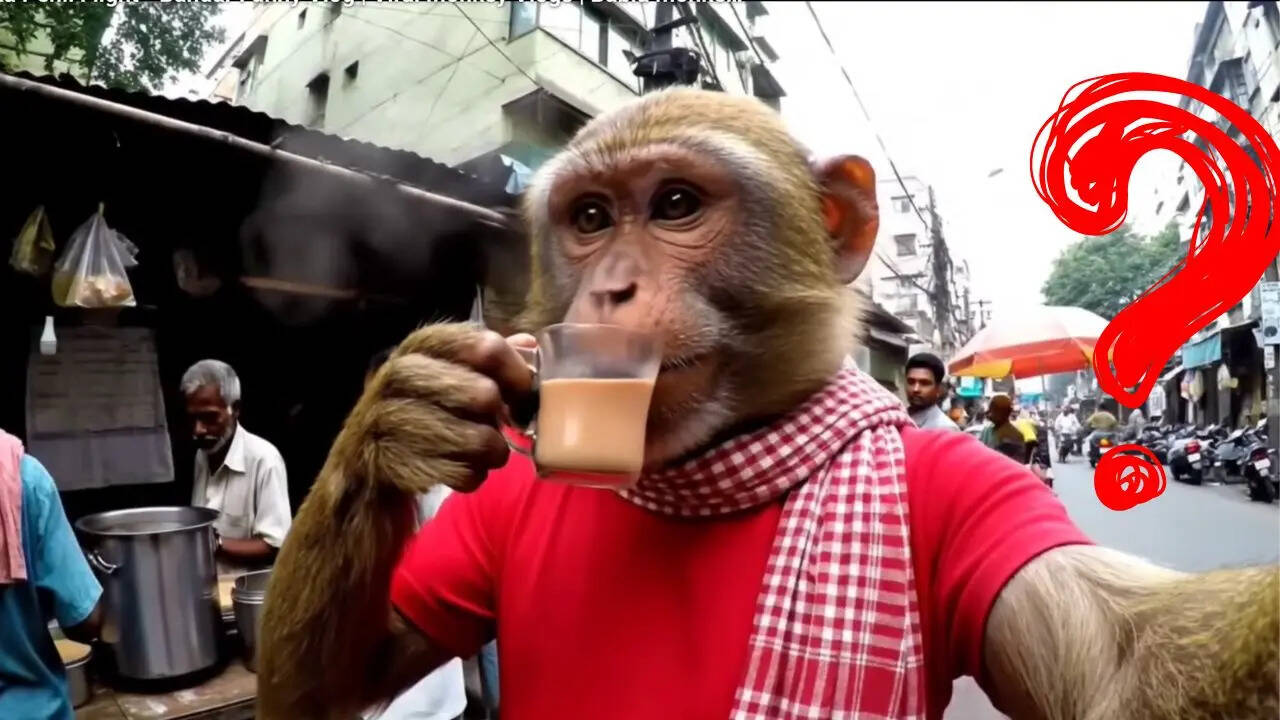
A viral claim that an India-based YouTube channel built on low-effort AI clips earns roughly Rs 35 crore a year has prompted scrutiny. The figure, widely quoted after a Kapwing analysis, makes for a striking headline. But a closer look shows the number is a generous projection rather than verified income, and reaching that scale through YouTube ads alone is unlikely.
AI slop YouTube earnings
The Kapwing study identified Bandar Apna Dost, an Assam-created channel, among the most-viewed examples of what researchers call “AI slop” — short videos that reuse similar visuals and storytelling beats. With more than 2.4 billion views attributed to the channel, Kapwing estimated annual revenue of roughly $4.25 million, which converts to about Rs 35 crore. However, that estimate is based on headline view counts and average CPMs rather than transparent payout records.
YouTube’s monetisation system is more complex than raw views. To earn reliably from advertising, content must meet originality and brand-safety criteria. Channels using repetitive or automatically generated visuals can fall into a grey area and may not qualify for full monetisation. Shorts, the short-form format that helped many AI channels scale quickly, also typically generate lower ad revenue per view compared with long-form uploads.

Even if ads are enabled, sustained high earnings require consistently strong CPMs and advertiser demand — conditions usually reserved for polished, brand-friendly creators. That makes it improbable that low-effort AI videos would generate tens of crores a year purely from ad revenue.
That is not to say significant income is impossible. Large-scale earnings usually combine multiple streams: sponsorships, brand partnerships, merchandise, direct licensing, or off-platform distribution deals. For an AI-driven channel to sustain tens of crores annually, it would almost certainly need such supplementary revenue sources, together with robust audience engagement beyond transient viral spikes.
The broader significance of the trend lies in its speed and scale. Simple production formulas and rapid iteration allow AI-generated channels to accrue vast view counts quickly, particularly on platforms that reward watch time and repeatable hooks. Kapwing’s research points to hundreds of similar channels collectively generating billions of views, which raises questions about whether platform incentives currently favour volume over creative effort.
Platforms are beginning to respond. YouTube has taken action against misleading or clearly deceptive AI content, such as fake movie trailers, and has revised policies to protect advertisers and viewers. Nevertheless, enforcing rules across millions of uploads is difficult, and algorithmic amplification can still push low-quality content to wide audiences.
For creators, advertisers and regulators the takeaway is clear: view counts alone do not equate to sustainable revenue. The Rs 35 crore figure is a useful prompt for discussion, but it should not be taken at face value without transparent earnings data. As AI tools become easier to use, platforms will face tougher choices about how to reward originality and protect ad quality while allowing genuine innovation to flourish.
Ultimately, the story of Bandar Apna Dost shows how quickly new formats can scale, and why platforms, advertisers and policymakers must adapt to ensure that monetisation models remain fair and sustainable for creators who produce original, high-quality work.
Key Takeaways:
- Kapwing’s estimate put Bandar Apna Dost’s annual takings at about Rs 35 crore, but that is a projection not confirmed income.
- AI slop YouTube earnings often overstate reality because Shorts pay less and platform rules limit monetisation for low-quality or non-original content.
- Large revenue at this scale would likely require off-platform deals or brand partnerships rather than ad revenue alone.
- The trend highlights how algorithms prioritise volume, prompting questions about quality, advertiser safety and platform policy.








