











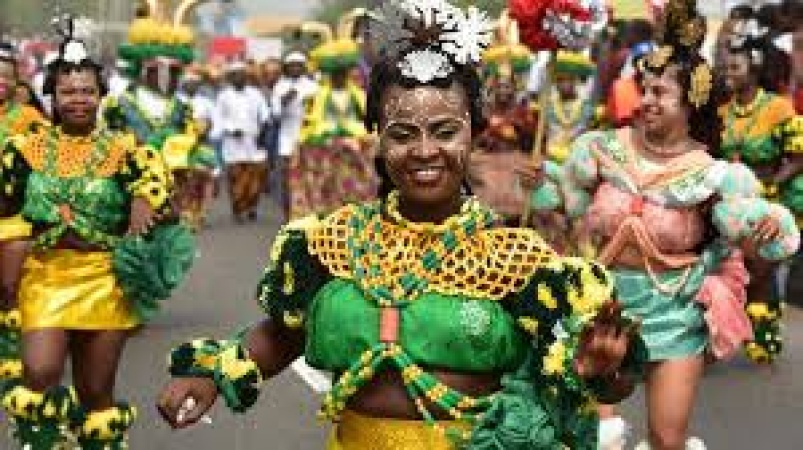
Carnival Calabar 2025 concluded this week with a spectacular display of colour, music and dance as the annual festival marked its 20th anniversary. The event, long billed as “Africa’s Biggest Street Party”, drew thousands of revellers to Cross River State and reinforced the city’s reputation as a leading cultural destination in West Africa.
Carnival Calabar 2025 heads into its 20th year
The parade featured dozens of carnival bands, elaborate floats and choreographed performances that showcased a mix of traditional and contemporary African creativity. Street bands from across Nigeria performed alongside guest acts, while costume designers rolled out new themes that paid tribute to local histories and modern popular culture.
Organisers reported strong ticket sales and a notable increase in visitor queries from abroad, reflecting the festival’s growing appeal to international tourists and diaspora communities. Local vendors and hospitality businesses said the event produced a marked uptick in revenues, underlining the economic value of cultural tourism for the region.

“This twentieth edition was about both celebration and continuity,” said one event director. “We want to celebrate our roots while giving a platform to new creative voices. The crowds responded with energy that you could feel across the city.”
Security and public safety were a priority throughout the festival. State authorities worked alongside event security teams to manage crowds, traffic and emergency services. Organisers highlighted improvements in planning and logistics compared with previous years, enabling smoother procession routes and better access for attendees.
Beyond the parade, Carnival Calabar 2025 hosted workshops, food fairs and community outreach programmes that involved local schools and artisans. These initiatives aimed to channel some of the festival’s visibility into longer-term opportunities for training and small business growth in the arts and crafts sector.
Officials and cultural stakeholders emphasised the festival’s role in promoting cultural diplomacy and creative exchange across the BRICS+ sphere. As Nigeria continues to expand its cultural exports, events like Carnival Calabar help showcase the country’s creative industries to partners and tourists alike.
Local hotels reported higher occupancy rates, while transport operators and market traders welcomed the steady stream of customers. Economists tracking the event noted that festivals of this scale can generate short-term boosts to local economies and contribute to a broader tourism strategy when paired with targeted investment.
Participants praised the inclusive nature of the carnival, which blended professional performers with community groups and amateur troupes. Judges awarded prizes across categories for best band, best costume and best float, encouraging healthy competition and artistic innovation.
As the final parade came to an end, organisers confirmed plans to begin early preparations for Carnival Calabar 2026. They signalled intentions to expand international partnerships and enhance digital promotions to attract a wider global audience.
For now, the 20th edition leaves a legacy of renewed interest in street culture and creative entrepreneurship, reinforcing Cross River’s place on the map of major African cultural events.
Key Takeaways:
- Carnival Calabar 2025 marked two decades of vibrant street culture in Nigeria, drawing both local and international visitors.
- The event boosted tourism and the creative economy, with elaborate costumes, music and large-scale floats.
- Organisers emphasised cultural heritage and community participation, helping promote Nigeria as a cultural hub in the BRICS+ network.
- Authorities reported heightened security and logistics to ensure a safe, celebratory atmosphere for attendees.








