











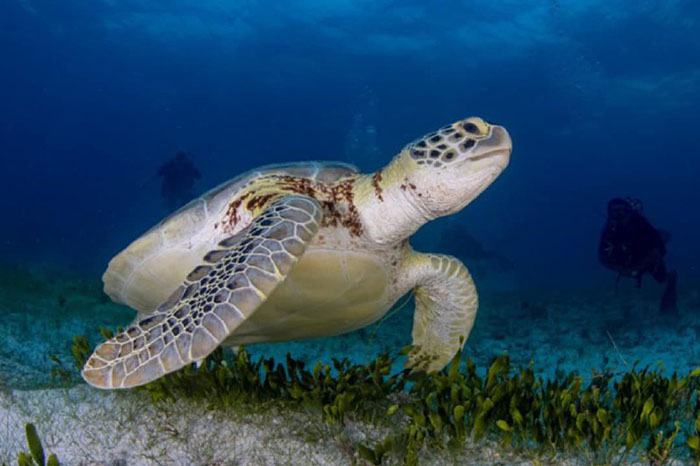
Under moonlit skies on Cayo Coco’s white sands, the 2025 nesting season brought renewed hope for sea turtle populations that have long relied on Cuba’s cays. Local authorities and conservation teams reported a year of sustained nesting activity by principally loggerhead turtles, with some green turtles also choosing these beaches to lay eggs.
The state news agency, Agencia Cubana de Noticias, followed the season closely, documenting how each nest became a small victory for a fragile ecosystem. Tracks left on the sand at dawn told the nightly story: adult females returning from the sea to deposit clutches of eggs, while trained staff monitored, protected and, where necessary, relocated nests to increase hatchling survival.
Cayo Coco sea turtles signal coastal health
Scientists and conservationists say the repeated choice of Cayo Coco for nesting is an informal certificate of environmental quality. Clean sands, food-rich coastal waters and relative tranquillity create conditions that encourage these endangered species to reproduce. As such, nesting success here is viewed as a reliable indicator of the wider health of nearshore habitats, including seagrass meadows and coral reefs.

Sea turtles serve vital ecological roles: grazing maintains the productivity of seagrass beds and helps regulate species balances on reefs. Their lifecycle links coastal and oceanic systems, so successful nesting seasons can produce cascading benefits for marine biodiversity and fisheries that local communities depend upon.
Conservation in Cayo Coco has involved a mix of scientific monitoring and community engagement. Teams of researchers, volunteers and local workers conduct night patrols, mark and protect nests, and lead timed releases of hatchlings when conditions are safest. These activities not only improve survival rates but also create opportunities for responsible tourism that highlights stewardship rather than disturbance.
Officials and conservationists emphasise that this kind of human intervention, when guided by evidence and ethics, can tip the balance in favour of recovery. The monitored releases of dozens of hatchlings illustrate the tangible results of coordinated efforts and provide powerful public testimony that protection measures work.
Tourism operators on the island have also adapted practices to reduce impacts on nesting beaches. Measures such as limiting night-time beach access, controlling artificial lighting and establishing buffer zones around nest sites help ensure turtles encounter minimal disturbance. These policies demonstrate a model in which tourism and strict environmental protection are complementary, enhancing visitor experience while securing critical habitats.
Despite the encouraging signs, conservationists caution that success is fragile. Global pressures—climate change, marine pollution and habitat loss—still pose threats that require sustained action. Continued monitoring, habitat protection and community involvement will be essential to maintain the gains seen in 2025.
Cayo Coco’s beaches this year became more than a sun-and-sand destination; they were an active nursery for future generations and a working conservation laboratory visible to residents and visitors alike. The season’s hatchlings left the sand as small, resilient ambassadors, reminding observers that protecting natural cycles is central to preserving biodiversity and the services it provides for people and the planet.
Key Takeaways:
- Cayo Coco sea turtles, mainly loggerheads and some green turtles, returned to nest in 2025, signalling healthy coastal conditions.
- Monitored nests and organised hatchling releases demonstrate effective, science-led conservation by local teams.
- The event shows tourism and strict environmental protection can coexist, adding authenticity and responsibility to the destination.








