











Key Takeaways:
- At least five municipalities in Ceará experienced mayoral turnover in 2025, highlighting local electoral and judicial shifts.
- Santa Quitéria held supplementary elections after the annulment of the initial result; Joel Barroso (PSB) won on 26 October.
- Interim leadership took charge in Potiretama and Choró with chamber presidents stepping in.
- The Ceará mayor changes 2025 reflect a year of judicial decisions and political adjustments across the state.

By William Santos — g1 Ceará, 29 December 2025
Five municipalities in the state of Ceará saw changes in mayoral leadership during 2025, as electoral court decisions and interim appointments reshaped local governments in the first year of new mandates. The developments ranged from court-ordered annulments and repeat elections to temporary presidencies assumed by municipal council leaders.
Ceará mayor changes 2025: key contests and interim arrangements
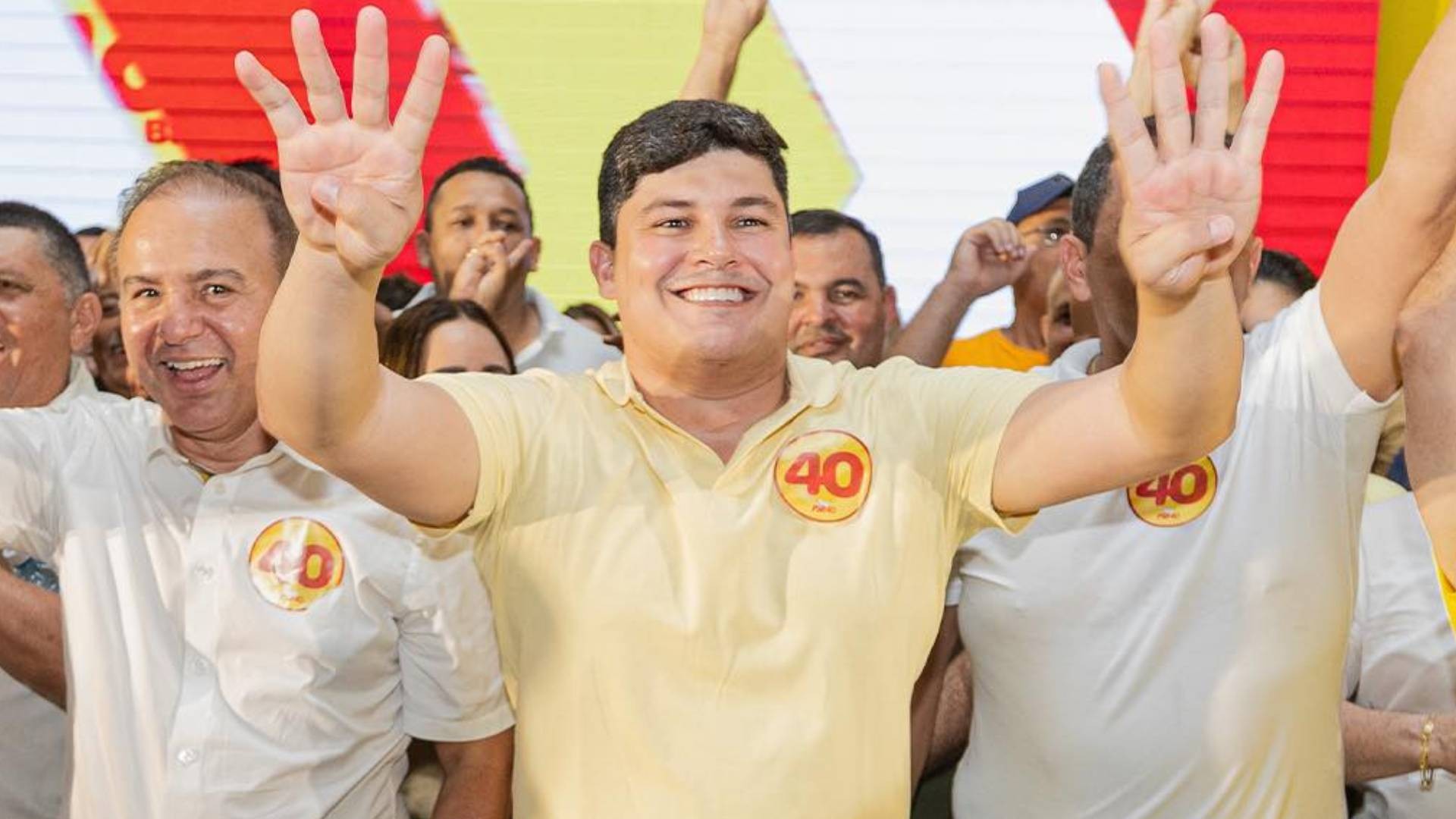
The most notable case occurred in Santa Quitéria, where the candidate declared winner in the 2024 municipal elections had their mandate annulled by the Electoral Court. The decision prompted supplementary elections held on 26 October, in which Joel Barroso of the Social Democratic Party (PSB) emerged victorious. Joel Barroso replaced his father, known locally as Braguinha, whose election was overturned.
In Potiretama and Choró, governance passed temporarily to the presidents of the municipal chambers. In Potiretama, Cleverlandio Bezerra from the Progressive Party (PP) assumed the mayoral duties on an interim basis. In Choró, Paulinho Saraiva of the PSB took on the interim role. These arrangements followed legal and procedural steps set out in municipal statutes for cases where the mayor cannot serve.
Other municipalities experienced a back-and-forth of leadership during the year. Senador Sá and Barroquinha each saw changes in the mayoralty that required administrative adjustments and, in some cases, legal clarification. While the situations differed in motive and timing, the common thread was the prominence of judicial review and municipal procedure in determining who would govern at the local level.
Impact on local governance and the electoral calendar
The wave of mayoral changes tested municipal administrations early in their mandates. Interim leadership can affect service delivery and local planning, particularly when transitions occur shortly after a new administration takes office. Municipal secretariats and council bodies in affected cities had to coordinate continuity plans while new or temporary leadership settled into office.
Legal challenges to election results underscore the role of Brazil’s electoral justice system in policing campaign irregularities and procedural violations. Supplementary elections, as seen in Santa Quitéria, are a constitutional mechanism to resolve disputed mandates and restore electoral legitimacy when necessary.
What residents and observers should watch
Residents will now watch how newly installed mayors and interim administrations handle immediate priorities such as public services, education and infrastructure projects. Political observers say these early tests often set the tone for relations between municipal councils and executive offices in the months ahead.
This pattern of judicial intervention and temporary appointments is not unique to Ceará but reflects broader dynamics in Brazilian municipal politics, where close results and legal challenges can produce rapid change. For now, the principal outcome in 2025 was the reconfiguration of leadership in at least five municipalities, with Santa Quitéria’s supplementary vote delivering a clear successor in Joel Barroso.
For more coverage of state politics and election follow-ups, g1 Ceará provided a series of reports and video summaries across the year.








