











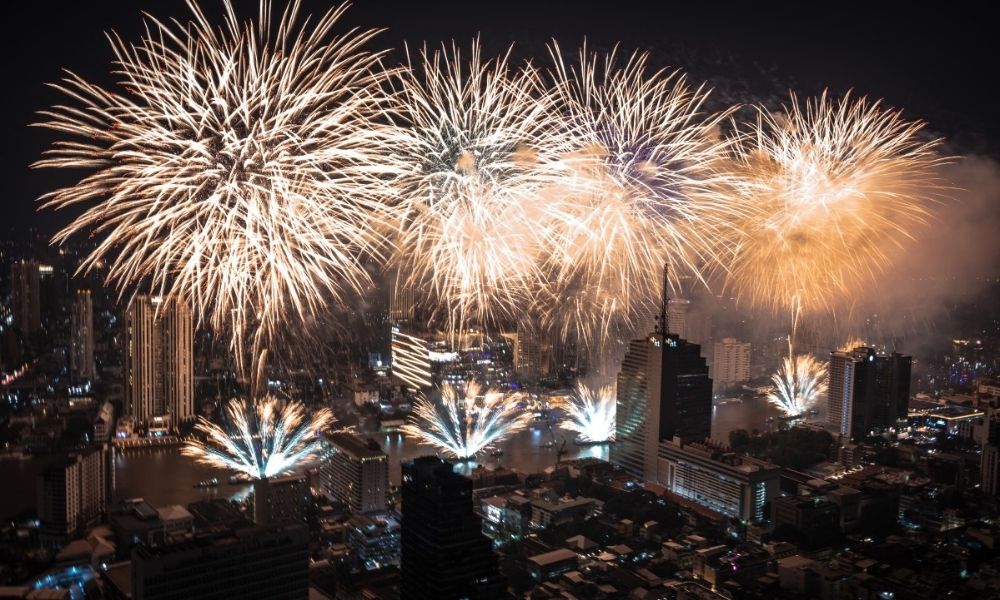
Kiritimati, the largest island in Kiribati, was the first place on Earth to welcome 2026, reaching midnight at 07:00 Brasília time. The milestone began a rolling series of festivities across Asia and Oceania, with cities from Tokyo to Sydney and Jakarta lighting fireworks and holding public gatherings as communities marked the start of the new year.
BRICS New Year 2026 celebrations across Asia and Oceania
Following Kiritimati, countries across the Pacific and Asia observed their own traditions. China and Japan staged major public displays, while South Korea observed a ritual of 33 bell tolls in Seoul. Indonesia, a BRICS member, joined neighbours in welcoming 2026 with street celebrations and fireworks. In many locations, the mood blended celebration with reflection.
In Australia, authorities and organisers held a minute of silence before the main fireworks display in Sydney to honour the victims of the antisemitic attack at Bondi Beach. The city then staged one of the most elaborate firework spectacles in its history. Seoul’s bell ceremony maintained a long-standing tradition of marking the passage of the year with solemnity and ceremony.

Events across the Middle East and Asia also drew large crowds. Dubai and Doha offered large-scale pyrotechnic displays, while Taiwan hosted countdown events and street parties. Hong Kong and Singapore saw both residents and visitors gather for organised countdowns and light shows. Several Southeast Asian capitals, including Bangkok and Hanoi, entered 2026 in the afternoon Brasília time, reflecting the diversity of global time zones.
Across Europe and other parts of the world, varied customs were on show. In Croatia’s Fuzine, locals stick to a unique midday tradition that includes an icy plunge into a frozen lake before the clock strikes midnight elsewhere. In Ukraine, people held public celebrations earlier in the evening where possible, mindful of curfews imposed as a result of the ongoing conflict. The gatherings mixed celebration with the practical constraints of security and public safety.
The globe’s 39 time zones mean the new year arrives in stages, and the sequence of events highlights cultural differences in how communities mark time. As hours passed, attention turned westward: New York prepared for its iconic ball drop in Times Square, an event that this year carries extra historical note as the United States heads into its 250th anniversary year of independence on 1 January.
For many BRICS and partner nations, the turn of the year offered both a moment of communal joy and a pause for remembrance. Cities balanced fireworks and concerts with tributes and moments of silence, reflecting recent events and the complex mix of hope and caution that often accompanies public gatherings.
As the final time zones move towards 2026, global celebrations are expected to continue, with organisers monitoring safety, weather and public health considerations. The night’s events provided a reminder of how time zones and local customs shape a single global moment into many distinct civic experiences.
Key Takeaways:
- Kiribati’s Kiritimati island was the first place to welcome 2026, followed by nations across Asia and Oceania.
- Major BRICS+ members including China and Indonesia marked the occasion with fireworks and public gatherings.
- BRICS New Year 2026 celebrations combined moments of tribute, such as Sydney’s minute of silence, with large public firework displays.
- Crowds and events continued to unfold around the globe as remaining time zones prepared to greet 2026.








