











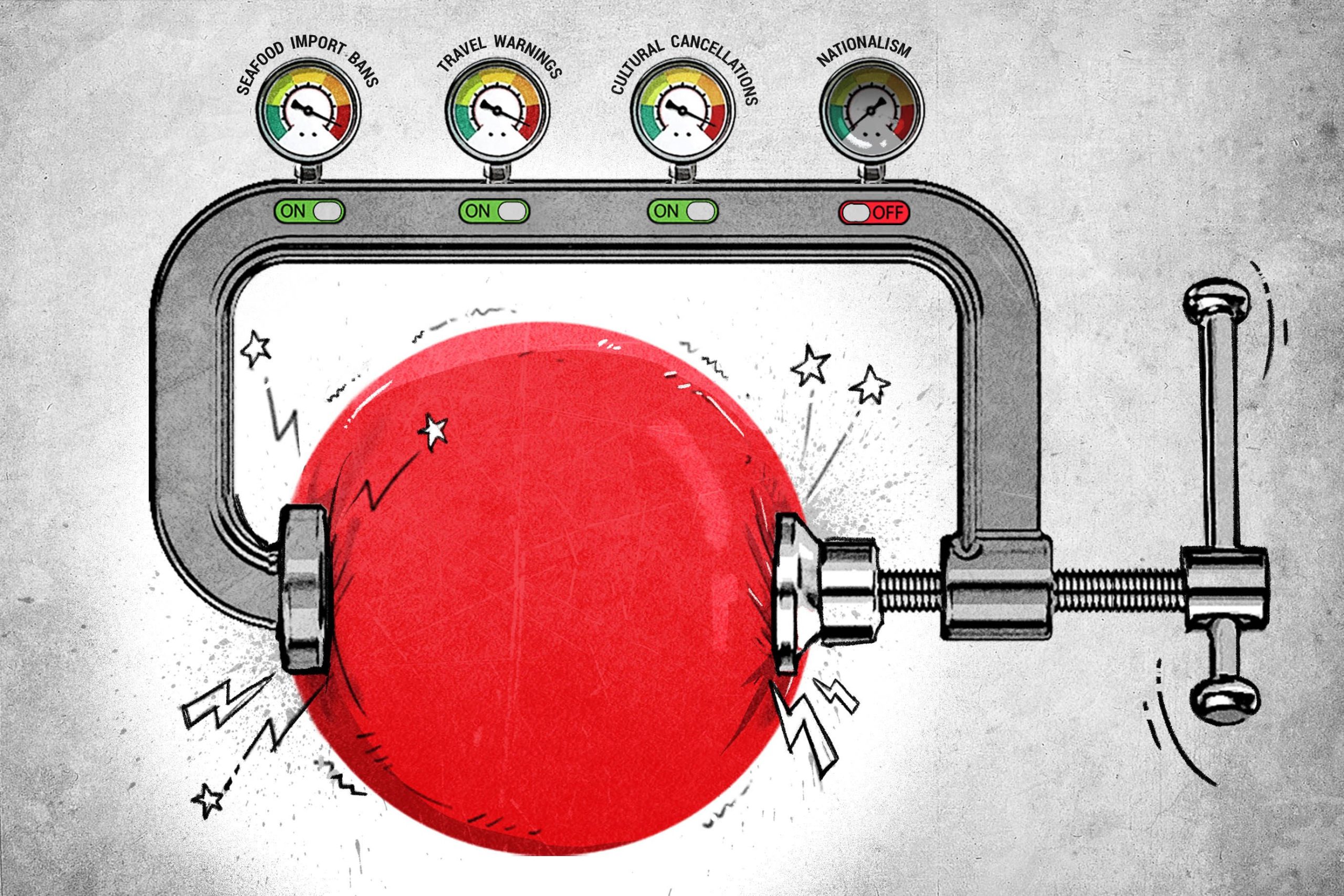
China has taken a cautious approach to its latest diplomatic row with Japan, choosing targeted economic and diplomatic pressure over mass nationalist mobilisation. The shift marks a notable change from the street protests and retail boycotts that followed the 2012 dispute over the Diaoyu/Senkaku islands.
The current standoff began after Japanese Prime Minister Sanae Takaichi suggested Tokyo might treat a use of force against Taiwan as a survival-threatening situation for Japan. Beijing denounced the comments as interference in what it regards as an internal matter and responded by summoning Japan’s ambassador, raising the issue at the United Nations, and imposing measures such as a seafood import ban and travel advisories.
Despite the high stakes, Beijing has avoided fanning popular anger into widespread demonstrations or attacks on Japanese property. Instead, authorities have pursued low-cost measures that signal displeasure while limiting economic damage. Flights were cancelled, cultural events postponed and coastguard activity around the Diaoyu islands increased, but large-scale boycotts and street violence have not materialised.

China Japan relations
Officials and analysts point to economics as the central reason for restraint. Japan remains a major trading partner for China, and Beijing is navigating a difficult economic transition from property-led growth to an innovation-driven model. Domestic consumption is weak and foreign trade and investment remain crucial, especially amid tensions with the United States and Europe.
Chinese diplomats have actively sought to reassure Japanese businesses. A senior foreign affairs official visited a Japanese manufacturer in Dalian to urge it to continue operations and offered reassurances about the business environment. Those private engagement efforts sit alongside public rhetoric from state media, which continues to criticise Tokyo while avoiding escalation that could harm bilateral commerce.
Chinese leaders are also wary of the domestic risks of uncontrolled nationalism. Officials say that while patriotic sentiment can unify the public in the short term, it can also become an outlet for deeper social discontent. Recent violent incidents involving Japanese nationals have heightened sensitivities, prompting authorities to emphasise law and order and to treat such attacks as isolated cases.
Public opinion among younger Chinese appears more muted than in previous generations. Many young people show a pragmatic outlook, prioritising quality of life and economic opportunity over political confrontation. Tourism and consumer patterns reflect that pragmatism: hundreds of thousands of mainland Chinese still travelled to Japan in November, and Japanese restaurants and shops in China continue to draw customers.
Observers say Beijing is aiming to balance signalling strength with protecting economic interests. By keeping measures calibrated, China can demonstrate resolve without jeopardising trade or foreign investment. At the same time, Tokyo has moderated some of its language, and behind-the-scenes diplomacy could pave the way for a cooling of tensions.
For now, China and Japan appear to be managing their dispute through a combination of public pressure and private reassurance. That approach reduces the risk of broader economic fallout and leaves room for both sides to step back from the brink while preserving core national positions.
Key Takeaways:
- China has restrained mass nationalist mobilisation, preferring targeted diplomatic and economic measures to manage China Japan relations.
- Beijing prioritises economic stability, reassuring Japanese firms while imposing low-cost penalties such as seafood bans and travel warnings.
- Domestic economic headwinds and concerns about social stability make large protests risky for Chinese leaders.
- Both sides appear to be seeking off-ramps, with cautious diplomacy and resumed people-to-people links limiting long-term fallout.







