











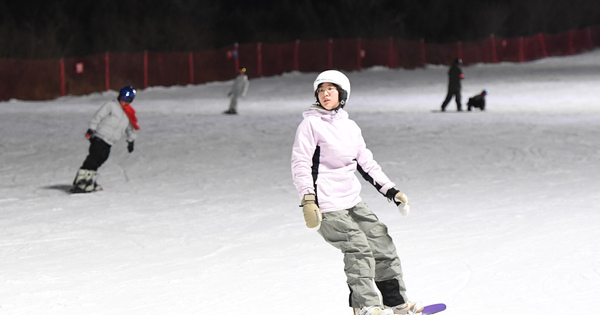
On the final day of 2025, visitors to Beijing’s Pinggu District flocked to Yuyang International Ski Resort to welcome the New Year on skis and snowboards. Photographs captured by Xinhua photographer Ren Chao show families and young people carving runs against a crisp winter sky as local officials promoted a safe, festive atmosphere at the resort.
Beijing New Year celebrations bring winter sport to the fore
The scene at Yuyang reflects a broader push by Beijing and neighbouring provinces to expand winter tourism. Since hosting the 2022 Winter Olympics, the capital has invested in maintaining and upgrading alpine venues and in encouraging mass participation in snow sports. Resorts such as Yuyang are now part of a network intended to sustain visitor numbers through the colder months and stimulate local businesses.
Resort managers reported steady bookings over the holiday period, with many visitors travelling from within the Beijing municipality and nearby provinces. Local vendors and hospitality providers said the influx helped boost revenues at cafes, guesthouses and transport services. Officials described the activity as part of a seasonal strategy to diversify tourism offerings and support community livelihoods.

Safety measures and crowd management were in place throughout the festivities. Organisers emphasised ski patrols, beginner-training zones and designated family areas to ensure that the New Year celebrations remained both joyful and orderly. Event coordinators also arranged small cultural performances and food stalls to complement the sporting activities.
The use of winter-sports infrastructure for public engagement is consistent with national efforts to promote healthier lifestyles and broaden access to recreational activities. Schools and local clubs have increased outreach programmes, offering lessons and short-term equipment hire to newcomers, while resorts have expanded beginner-friendly slopes to encourage first-time skiers.
Tourism analysts say such initiatives have a twofold benefit. In the short term they generate spending in rural and suburban economies; in the longer term, they help to position destinations like Pinggu as regular draws for domestic travellers seeking winter leisure. The approach also aligns with regional plans to develop year-round attractions, combining winter sport with rural tourism, farm visits and cultural experiences.
Community reaction to the New Year activities was broadly positive. Visitors enjoyed the outdoor setting and family-oriented programming, while local businesses welcomed the additional footfall. Photographs from the resort, circulated by state media, highlighted a festive tone and a sense of normality as the city turned the page on 2025.
As China ushers in 2026, the festivities at Yuyang International Ski Resort underscore the continuing role of winter sport in urban and regional development plans. By linking recreational infrastructure with tourism promotion and local commerce, authorities hope to maintain momentum for seasonal travel and strengthen the appeal of areas beyond the metropolis.
Key Takeaways:
- Beijing New Year celebrations saw skiers greeting 2026 at Yuyang International Ski Resort in Pinggu District.
- Winter sports continue to drive domestic tourism and local economic activity.
- Authorities are leveraging Olympic-era infrastructure to extend the ski season and attract visitors.
- Community events combine outdoor recreation with family-focused festivities to mark the New Year.








