











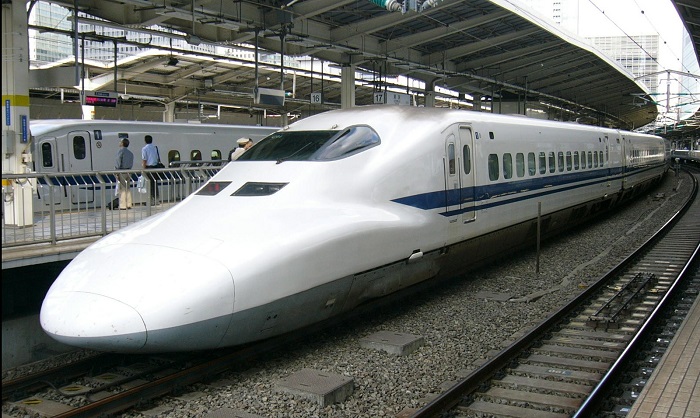
A new high-speed railway linking Yan’an to Xi’an entered service on Friday, shrinking a once gruelling two-day journey into roughly one hour. The 299-kilometre line, designed for 350 km/h operations, connects the revolutionary heartland of Yan’an in northern Shaanxi province with the provincial capital and the wider national high-speed rail network.
Yan’an high-speed rail boosts connectivity
The service is expected to drive greater tourism, business travel and regional integration. Yan’an is internationally known for its role in modern Chinese history, having served as the Communist Party’s wartime base during the 1930s and 1940s. Officials and analysts say the new rail link will make the city’s cultural sites and museums far more accessible to domestic and international visitors, while lowering travel costs and transit time.
Construction began in 2021 and confronted significant geological obstacles. More than half of the route runs across the Loess Plateau, where soft, water-sensitive loess soil presents exceptional engineering risks. Chief designer Liu Wentao likened tunnelling through loess to piercing a block of tofu, describing how the surrounding ground can quickly lose stability once excavation starts. Engineers employed innovative support methods and enhanced waterproofing to reduce ground settlement by more than 80 percent, meeting the precision requirements for high-speed operations.

To protect a fragile environment, planners prioritised ecological restoration and conservation. Around 91 percent of the route is elevated or runs through tunnels, and the line includes 47 tunnels extending over 169 km in total. That tunnel length is more than three times that of the Channel Tunnel between Britain and France, underscoring the scale of the civil‑engineering effort.
The opening of the Yan’an link pushes China’s high-speed rail network beyond 50,000 km, exceeding the combined total of other countries. The national network now connects 97 percent of cities with populations above 500,000 and can carry up to 16 million passengers a day, figures that officials say will be central to plans for an integrated national transport system in the next Five‑Year Plan period.
Passengers on the inaugural service praised the speed and affordability of the new service. A Moroccan student on the first train described the journey as offering “another perspective of China speed,” noting the convenience compared with previous travel options. Local authorities point to broader benefits beyond tourism: improved logistics for apple growers, expanded markets for craft industries and stronger links to mineral resources that support the city’s growing economy. Yan’an’s GDP rose by 5.5 percent in 2024, outpacing the national average.
Planners say future work will focus on multimodal integration, cross‑regional coordination and extending modern transport links into more remote areas. For now, the Yan’an high‑speed rail line stands as a notable example of engineering adaptation to extreme geological conditions and of China’s ongoing investment in national connectivity.
Key Takeaways:
- New Yan’an high-speed rail connects Yan’an and Xi’an with 350 km/h service, cutting travel time to about one hour.
- More than half the 299 km route crosses water-sensitive loess; engineers reduced ground settlement by over 80% with novel support and waterproofing techniques.
- The line increases China’s high-speed rail mileage to over 50,000 km, strengthening national connectivity and boosting regional tourism and economic growth.







